


Dog Food
Definition of Dog Food
Dog food is specifically formulated and intended for consumption by dogs and other related canines. Dogs are considered to be omnivores with a carnivorous bias. Dog foods have the sharp, pointed teeth and shorter gastrointestinal tracts of carnivores, better suited for the consumption of meat than of vegetable substances, yet also have ten genes that are responsible for starch and glucose digestion, as well as the ability to produce amylase, an enzyme that functions to break down carbohydrates into simple sugars – something that obligate carnivores like cats lack. Dogs evolved the ability living alongside humans in agricultural societies, as they managed on scrap leftovers and excrement from humans.

why choose us?
It has more than 10,000 suppliers to reduce your procurement costs.Monitor the production process in real time to ensure that our product quality meets international standards and customer needs.The mature supply chain system and its own freight forwarder ensure that the OTD rate reaches 99% of the container loading rate.
Competitive Price
Quality Control And Inspection System
On-Time Delivery
-
![Vegetarian Dog Food]() Vegetarian Dog FoodProducts Description Vegetarian dog food is a plant-based, formulated staple food designed for dogs, usually based on natural plant ingredients such as soy protein, pea protein, quinoa, sweet...read more
Vegetarian Dog FoodProducts Description Vegetarian dog food is a plant-based, formulated staple food designed for dogs, usually based on natural plant ingredients such as soy protein, pea protein, quinoa, sweet...read more -
![Baked Dog Food]() Baked Dog FoodBaked dog food is a dog food made of low temperature baking process, which is different from traditional high temperature puffed food. By 60-90℃ low temperature slow drying, retain more natural...read more
Baked Dog FoodBaked dog food is a dog food made of low temperature baking process, which is different from traditional high temperature puffed food. By 60-90℃ low temperature slow drying, retain more natural...read more -
![Puffed Dog Food]() Puffed Dog FoodPuffed dog food is a special form of dog food made by a puffing process. Bulking process The puffing process is the core technology of producing Puffed dog food. The process treats raw materials...read more
Puffed Dog FoodPuffed dog food is a special form of dog food made by a puffing process. Bulking process The puffing process is the core technology of producing Puffed dog food. The process treats raw materials...read more -
![High Protein Dog Food]() High Protein Dog FoodHigh protein dog food is a dog food specifically designed for dogs that require a higher protein intake. These dog foods usually have a higher crude protein content than regular dog food to meet...read more
High Protein Dog FoodHigh protein dog food is a dog food specifically designed for dogs that require a higher protein intake. These dog foods usually have a higher crude protein content than regular dog food to meet...read more -
![Cereal Dog Food]() Cereal Dog FoodCereal dog food is a grain-based dog food that contains carbohydrates, fiber, and other nutrients your dog needs. Main component The main components of cereal dog food include wheat, corn, rice...read more
Cereal Dog FoodCereal dog food is a grain-based dog food that contains carbohydrates, fiber, and other nutrients your dog needs. Main component The main components of cereal dog food include wheat, corn, rice...read more -
![Mixed Dog Food]() Mixed Dog FoodMixed dog food refers to the dog feed prepared by mixing a variety of feed raw materials and feed additives in accordance with a certain proportion. This dog food is usually rich in protein, fat,...read more
Mixed Dog FoodMixed dog food refers to the dog feed prepared by mixing a variety of feed raw materials and feed additives in accordance with a certain proportion. This dog food is usually rich in protein, fat,...read more -
![Air-dried Dog Food]() Air-dried Dog FoodAir-dried dog food is a pet food made with a specific process, which simulates the natural air drying environment and dries the ingredients at low temperature and low pressure, so as to make dog...read more
Air-dried Dog FoodAir-dried dog food is a pet food made with a specific process, which simulates the natural air drying environment and dries the ingredients at low temperature and low pressure, so as to make dog...read more -
![Dog Food For The Stomach]() Dog Food For The StomachCarefully selected materials, care for the stomach Our warm stomach dog food, with pet stomach health as the starting point, carefully selected easy to digest, stomach friendly raw materials. The...read more
Dog Food For The StomachCarefully selected materials, care for the stomach Our warm stomach dog food, with pet stomach health as the starting point, carefully selected easy to digest, stomach friendly raw materials. The...read more -
![Dog Food With Meat]() Dog Food With MeatHigh quality raw material This dog food contains the top ingredients carefully selected, the main meat sources including high-quality chicken breast, fish and beef, to ensure that each dog food...read more
Dog Food With MeatHigh quality raw material This dog food contains the top ingredients carefully selected, the main meat sources including high-quality chicken breast, fish and beef, to ensure that each dog food...read more -
![Fresh Healthy Dog Food]() Fresh Healthy Dog FoodFresh dog food is rich in chicken, egg yolk, beef, apple, carrot, chrysanthemum polysavone root and other ingredients, can promote the absorption of nutrients and regulate the stomach, and is...read more
Fresh Healthy Dog FoodFresh dog food is rich in chicken, egg yolk, beef, apple, carrot, chrysanthemum polysavone root and other ingredients, can promote the absorption of nutrients and regulate the stomach, and is...read more -
![Functional Dog Food]() Functional Dog FoodMulti-functional dog food is a comprehensive and nutritious food designed for our pet dogs. Multi-functional dog food has a variety of nutrients, such as protein, vitamins and minerals, which are...read more
Functional Dog FoodMulti-functional dog food is a comprehensive and nutritious food designed for our pet dogs. Multi-functional dog food has a variety of nutrients, such as protein, vitamins and minerals, which are...read more -
![High Quality Healthy Dog Food]() High Quality Healthy Dog FoodThe ingredients of high quality dog food are natural ingredients that contain a certain amount of meat, fruits and vegetables. These ingredients need to be formulated in scientific proportions to...read more
High Quality Healthy Dog FoodThe ingredients of high quality dog food are natural ingredients that contain a certain amount of meat, fruits and vegetables. These ingredients need to be formulated in scientific proportions to...read more


The benefits of dog food
1. Comprehensive nutrition:
- The development and manufacture of dog food is based on the nutritional needs of the dog by the dietitian, so as to ensure the right mix of protein, fat, carbohydrates, minerals, vitamins and trace elements.
2. Good for your teeth:
- The dog food has been puffed, crisp but has a certain hardness, this hardness can clean and exercise your dog's teeth, reduce the formation of dental stones and tartar.
3. Feces are relatively stable:
- With dog food as the staple food, the food is relatively stable and not easy to cause diarrhea. Dog food with an appropriate amount of coarse fiber components, can effectively promote digestive tract peristalsis, make dogs stool smooth, prevent anal adenitis.
4. Convenient:
- Dog food is easy to store and use, does not require special preparation or cooking, and is very convenient for busy owners.
5. Control your dog's bad breath:
- Quality dog food is scientifically formulated and processed and contains specific ingredients and fibers that help promote oral health and control bad breath. Some dog foods also have specific ingredients added, such as mint or chloride, to help prevent mouth problems and reduce bad breath.
6. Improve your dog's immunity:
- Dog food contains nutrients that enhance immunity for dogs, which can greatly improve the dog's disease resistance, make it less susceptible to disease, and extend the dog's life.
7. Prolong life:
- Scientific feeding and feeding natural dog food can extend the life of dogs to more than 10 years, because natural dog food can improve their immunity and enhance their physique.
8. Good for the stomach:
- Probiotic ingredients in dog food can improve the intestinal flora, reduce the occurrence of gastrointestinal diseases, and is very friendly to the gastrointestinal health of dogs.
How to Read Dog Food Label's
The ingredients of dog food
Protein
- Source: mainly from animal protein, such as chicken, fish, beef, etc., but also some from plant protein such as beans and so on.
- Importance: Protein is an important component of dog cells and tissues, and is essential for the growth and development of dogs and the maintenance of health.
- Content: The protein content of good quality dog food is usually between 22-26%, with higher digestibility of animal protein.
Fat
- Source: mainly from animal fats, such as fish oil, chicken oil, etc., but also some from plant fats such as flaxseed oil.
- Importance: Fat is an important source of energy for dogs, as well as the building blocks of cell membranes and the synthesis of certain hormones.
- Content: The fat content of dog food is usually between 4% and 12%, and the fat requirement for adult dogs is 1.2 grams per kilogram of body weight per day, and 2.2 grams for growing and developing dogs.
Carbohydrates
- Source: mainly from grains (such as corn, wheat, rice, etc.) and tubers.
- Importance: Carbohydrates are the main source of energy required by the dog body, accounting for about 80% of the energy required by the dog body.
- Note: Although carbohydrates are good for your dog's body, excess carbohydrates can lead to obesity or other health problems.
Minerals
- Sources: including calcium, phosphorus, potassium, sodium, magnesium, iron, zinc, copper, etc., mainly from natural ingredients and additives.
- Importance: Minerals play an important role in bone development, tooth growth, neuromuscular conduction, etc.
- Content: such as calcium content is usually about 1.0%, phosphorus content is about 0.85%.
Vitamins
- Source: including vitamins A, D, E, K, B, etc., mainly from natural ingredients and additives.
- Importance: Vitamins play an important role in the metabolism, growth and development of dogs, immunity and so on.
Other ingredients
- Including moisture, cellulose, amino acids, taurine, etc. Although these ingredients are not high in content, they are equally important for the health of the dog.
Dog food storage time
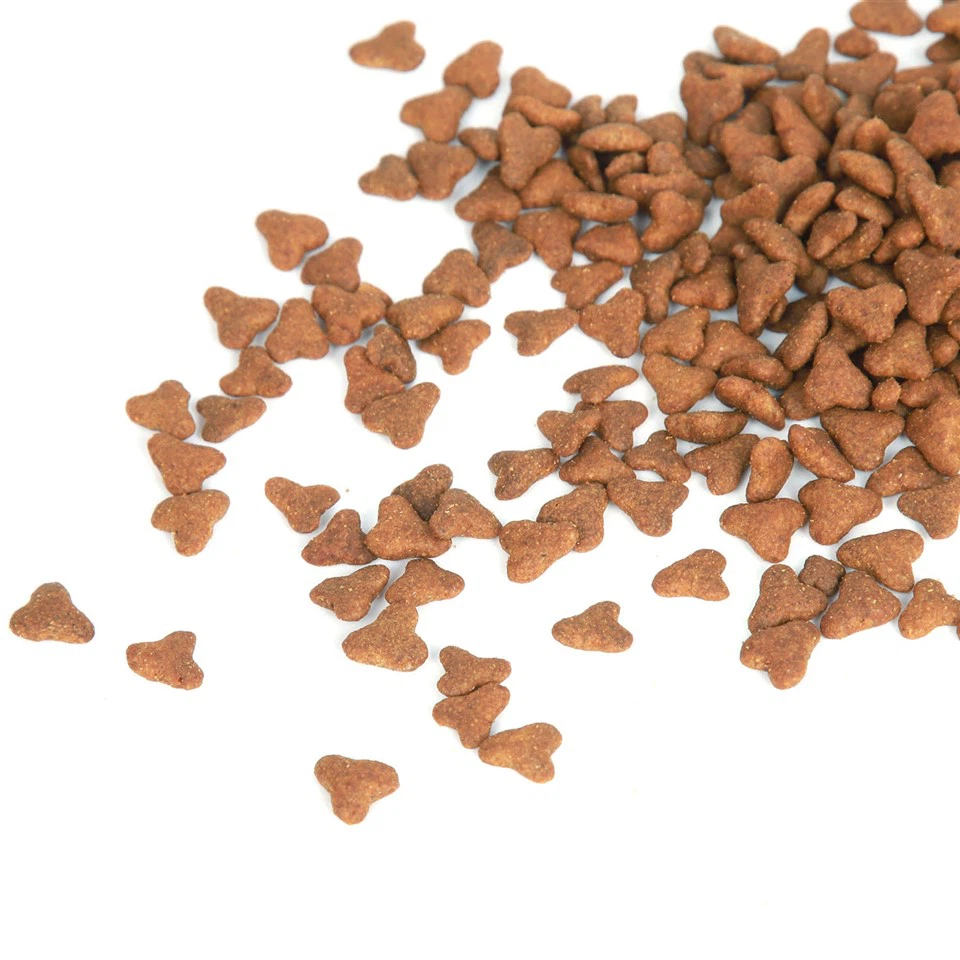
why choose our products
1. Unopened dog food:
- Usually, unopened dog food can be kept for a longer time. Depending on the brand and type of dog food, its shelf life may vary. Common shelf-lives include 6 months, 12 months, or even 18 months. To ensure the freshness and nutritional value of dog food, it is recommended to look carefully at the manufacture date and expiration date label on the package.
2. Dog food after opening:
- The shelf life of dog food will be shortened after opening. In the sealed state at room temperature, it is recommended to eat the dog food after opening within three months. If you want to extend the shelf life, you can choose to store dog food in refrigerated or frozen conditions. In the refrigerated sealed state, the shelf life of dog food can be extended to about six months.
3. Storage conditions:
- In order to ensure the storage time of dog food, it is necessary to adopt the correct storage method. Store dog food in a cool, dry, ventilated place away from direct sunlight and humidity. Use airtight containers or bags to store dog food to keep out air, moisture, and bugs.
4. Precautions:
- Check stored dog food regularly to make sure it is free of odors, discoloration or mold. If any abnormal situation is found, the affected dog food should be treated in a timely manner and discarded.
Hebei Zhanduo Trading Co., Ltd. always adhere to provide domestic and foreign customers with procurement, distribution and other diversified trade solutions. Pet supplies, wire mesh, etc.
Corporate culture: Enabling economic globalization, providing one-stop trade solutions for global customers. Adhering to the spirit of corporate responsibility, unity, innovation, inclusiveness, gratitude and integrity.

As one of the leading dog food manufacturers and suppliers in China, we warmly welcome you to buy high-grade dog food for sale here from our factory. All our products are with high quality and competitive price.
nutritious dog food, bulk dog food, wholesale dog food