

When it comes to choosing the right cat food for our feline friends, texture plays a crucial role. As a leading pellet cat food supplier, I've had the privilege of exploring and understanding the nuances of pellet cat food texture. In this blog, I'll delve into what the texture of pellet cat food is like, its significance, and how it can impact your cat's eating experience.
Understanding the Basics of Pellet Cat Food Texture
Pellet cat food, also known as kibble, is a popular choice among cat owners due to its convenience, long shelf - life, and nutritional balance. The texture of pellet cat food can vary widely depending on several factors, including the manufacturing process, ingredients used, and the intended age and dietary needs of the cat.
Typically, pellet cat food has a firm and crunchy texture. This firmness is a result of the extrusion process, which involves forcing the raw ingredients through a die under high pressure and temperature. The heat and pressure cause the ingredients to expand and form the characteristic shape and texture of the pellets. The crunchiness not only provides an enjoyable chewing experience for cats but also offers some dental benefits. When cats chew on the firm pellets, it helps to scrape away plaque and tartar from their teeth, promoting better oral health.
However, not all pellet cat foods have the same level of firmness and crunch. Some pellets may be harder and more dense, while others are softer and more porous. Harder pellets are often designed for adult cats with strong teeth and jaws, as they require more chewing effort. These can be particularly beneficial for cats that tend to gobble their food quickly, as the extra chewing time can slow down their eating pace and aid in digestion.
On the other hand, softer pellets are suitable for kittens or senior cats. Kittens have developing teeth, and softer pellets are easier for them to chew and digest. Senior cats may also benefit from softer textures, especially if they have dental problems or a reduced ability to chew.
Factors Affecting Pellet Cat Food Texture
Ingredients
The type and quality of ingredients used in pellet cat food significantly influence its texture. High - quality proteins, such as chicken, fish, or beef, can contribute to a denser and more substantial texture. These protein sources bind well during the extrusion process, resulting in firm pellets. Grains like rice, corn, and wheat are also commonly used in cat food. They can add bulk and affect the texture. For example, rice - based pellets may be slightly softer and more digestible compared to corn - based ones, which can be a bit harder and crunchier.
Fats and oils also play a role. A small amount of fat can help to bind the ingredients together and give the pellets a slightly moist and pliable texture. However, too much fat can make the pellets greasy and less firm. Additionally, the inclusion of fiber sources, such as vegetables and fruits, can affect the texture. Fiber can add a bit of roughness or a chewier quality to the pellets, which can be beneficial for promoting healthy digestion in cats.
Manufacturing Process
The extrusion process is the key to creating the texture of pellet cat food. The temperature, pressure, and moisture levels during extrusion all have an impact. Higher temperatures and pressures generally result in harder and more expanded pellets. Manufacturers can adjust these parameters to achieve the desired texture.
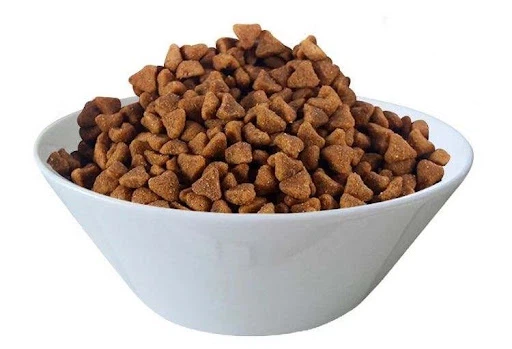

After extrusion, the pellets may undergo additional processes such as coating. Some cat foods are coated with flavors, vitamins, or minerals. A thin coating of fat or flavoring can make the pellets more appealing to cats and may also slightly alter the texture, making them a bit slicker on the surface.
The Importance of Texture for Cats
The texture of pellet cat food is not just about how it feels in your hand; it has a significant impact on your cat's eating behavior and overall well - being.
Cats are natural hunters, and their eating behavior is influenced by their wild instincts. The act of chewing on firm pellets mimics the action of tearing and chewing on prey. This can provide mental stimulation for cats, keeping them engaged during mealtime. Cats that enjoy the texture of their food are more likely to eat regularly and consume an appropriate amount of food, which is essential for maintaining a healthy weight.
Texture also affects a cat's digestion. Chewing the food thoroughly helps to break it down into smaller particles, making it easier for the digestive enzymes in the stomach to work. This can lead to better nutrient absorption and less digestive discomfort. As mentioned earlier, the dental benefits of a crunchy texture are also important. Regular chewing on firm pellets can reduce the risk of dental diseases such as gingivitis and periodontitis, which are common in cats.
Our Approach as a Pellet Cat Food Supplier
At our company, we understand the importance of texture in pellet cat food. We are committed to producing high - quality cat food with the perfect texture for cats of all ages and needs.
We source only the finest ingredients, carefully selecting proteins, grains, and other nutrients to ensure a balanced and delicious product. Our state - of - the - art manufacturing facility allows us to precisely control the extrusion process, creating pellets with the ideal firmness and crunch. Whether you have a kitten, an adult cat, or a senior cat, we have a range of products with different textures to meet their specific requirements.
We also offer a variety of flavors and coatings to enhance the appeal of our pellet cat food. Our research and development team constantly works on improving the texture and taste of our products based on the feedback from cat owners and the latest scientific research.
If you are interested in learning more about the The Factory Of Natural Healthy Cat Food or our Manufacturers Of Natural Healthy Cat Food, you can visit our websites. We also have a specialized The Factory For Adult Cat Food that focuses on creating the best products for adult felines.
Conclusion
The texture of pellet cat food is a complex and important aspect that should not be overlooked when choosing the right food for your cat. It can affect your cat's eating experience, digestion, and dental health. As a trusted pellet cat food supplier, we are dedicated to providing cat owners with high - quality products that not only meet but exceed their expectations in terms of texture, taste, and nutrition.
If you are a pet store owner, a distributor, or simply looking for a reliable source of pellet cat food, we invite you to contact us for procurement and further discussions. We are eager to work with you to ensure that your feline customers receive the best possible food.
References
- Smith, J. (2020). The Science of Cat Food Texture. Journal of Feline Nutrition.
- Brown, A. (2019). Impact of Pellet Texture on Cat Eating Behavior. Pet Food Research Quarterly.