

What is the texture of coarse cat food like?
As a supplier of coarse cat food, I've had the privilege of closely examining and understanding the nuances of its texture. Coarse cat food, also known as kibble, is a staple in the feline diet, and its texture plays a crucial role in a cat's eating experience and overall health.
The Physical Characteristics of Coarse Cat Food
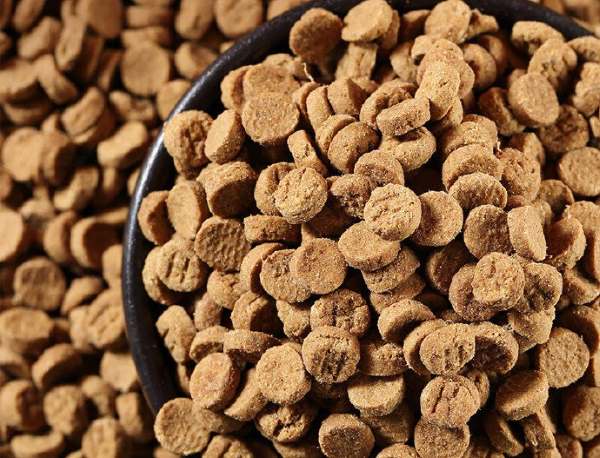
One of the most noticeable features of coarse cat food is its dry and crunchy texture. Unlike wet cat food, which has a soft and often mushy consistency, coarse cat food retains its shape and firmness. This dryness is achieved through a process of extrusion, where the raw ingredients are mixed, cooked under high pressure, and then forced through a die to create the characteristic kibble shape.
The size and shape of coarse cat food can vary widely. Some kibbles are small and round, resembling tiny pellets, while others are larger, with irregular shapes such as triangles or rectangles. The size of the kibble is often designed to suit the size and breed of the cat. For example, smaller cats may prefer smaller kibbles that are easier to chew and swallow, while larger breeds may be able to handle larger pieces.
The surface of coarse cat food is typically rough and porous. This texture is not only appealing to cats but also serves a practical purpose. The rough surface helps to clean a cat's teeth as they chew, reducing the buildup of plaque and tartar. It also provides a more satisfying chewing experience for cats, which can help to prevent boredom and excessive chewing on other objects.
The Role of Ingredients in Texture
The texture of coarse cat food is largely determined by the ingredients used in its production. High - quality coarse cat food typically contains a combination of proteins, carbohydrates, fats, vitamins, and minerals.
Proteins are a key component of cat food, and they can have a significant impact on texture. Animal - based proteins, such as chicken, beef, and fish, are often used in coarse cat food. These proteins provide a firm and chewy texture. For example, chicken meal, which is a concentrated source of protein, can contribute to a denser and more substantial kibble.

Carbohydrates, such as grains (e.g., rice, corn, and wheat) and potatoes, also play a role in texture. Grains can add structure and bulk to the kibble, making it more stable and less likely to crumble. However, some cats may have sensitivities to grains, so many modern coarse cat foods are now formulated with grain - free alternatives, such as sweet potatoes or tapioca. These alternatives can provide a similar texture while being more easily digestible for some cats.
Fats are another important ingredient in coarse cat food. They not only provide essential nutrients but also help to bind the ingredients together and give the kibble a moist and flavorful interior. However, too much fat can make the kibble greasy and less appealing to cats. Therefore, the amount of fat in coarse cat food is carefully regulated to maintain the right balance of texture and taste.
The Impact of Manufacturing Processes
The manufacturing process of coarse cat food also has a significant impact on its texture. As mentioned earlier, extrusion is the most common method used to produce kibble. During extrusion, the raw ingredients are mixed and cooked at high temperatures and pressures. This process not only helps to kill bacteria and make the nutrients more digestible but also affects the final texture of the kibble.
The speed and pressure of the extrusion process can be adjusted to create different textures. For example, a higher extrusion pressure can result in a denser and harder kibble, while a lower pressure may produce a more porous and softer texture.
After extrusion, the kibble is often coated with additional ingredients, such as fats, vitamins, and flavors. This coating can enhance the taste and appearance of the kibble, as well as modify its texture. For instance, a fat coating can make the kibble more moist and shiny, while a powder coating can add a bit of crunch.
Why Cats Prefer Coarse Cat Food Texture
Cats are natural hunters, and their teeth and jaws are designed for tearing and chewing. The crunchy texture of coarse cat food mimics the feeling of chewing on small prey, which is instinctually appealing to them. It provides a more engaging eating experience compared to wet cat food, which can be quickly lapped up.
In addition, the texture of coarse cat food can help to satisfy a cat's need to chew. Chewing is not only important for dental health but also for mental stimulation. Cats that are provided with coarse cat food are less likely to develop behavioral problems related to boredom, such as excessive meowing or scratching.
Our Offerings
As a supplier, we take pride in offering a wide range of coarse cat food products with different textures to meet the diverse needs of cats. Our Wholesaler Of Natural Healthy Cat Food service ensures that retailers can access high - quality products at competitive prices. We source the finest ingredients to create kibbles that are not only delicious but also beneficial for a cat's health.
Our Baked Cat Food line offers a unique texture. Baking the kibble instead of extruding it results in a more natural and less processed product. The baked kibble has a crispy exterior and a soft, flavorful interior, which many cats find irresistible.
We also operate The Factory Of Natural Healthy Cat Food, where we adhere to strict quality control measures. This allows us to maintain the consistency of the texture and quality of our coarse cat food products.
Contact Us for Procurement
If you are a retailer, pet store owner, or anyone interested in purchasing our coarse cat food products, we invite you to contact us for procurement discussions. We are committed to providing excellent customer service and building long - term partnerships. Whether you need a small quantity for a trial or a large - scale order, we can accommodate your needs.
References
- Hand, M. S., Thatcher, C. D., Remillard, R. L., & Roudebush, P. (Eds.). (2010). Small Animal Clinical Nutrition. Mark Morris Institute.
- Case, L. A., Daristotle, L., Hayek, M. G., & Burgess, S. C. (2011). The Cat: Its Behavior, Nutrition, and Health. Wiley - Blackwell.