

Storing safe raw egg yolks is a crucial aspect of maintaining their quality and safety, especially for suppliers like me who are dedicated to providing high - grade products. In this blog, I'll share the proper ways to store safe raw egg yolks, drawing on scientific knowledge and industry best practices.
Understanding the Characteristics of Raw Egg Yolks
Raw egg yolks are a rich source of nutrients, including proteins, fats, vitamins, and minerals. However, they are also highly perishable due to their high moisture content and the presence of microorganisms. Bacteria such as Salmonella can potentially contaminate egg yolks, which makes proper storage essential to prevent spoilage and food - borne illnesses.
Initial Handling of Raw Egg Yolks
When the eggs are first collected, it's important to ensure they come from healthy hens. At our supply operation, we have strict quality control measures in place to source eggs from farms that follow good animal husbandry practices. Once the eggs are broken, separating the yolks from the whites should be done carefully to avoid cross - contamination. We use specialized equipment that allows for a clean separation, minimizing the risk of introducing bacteria from the eggshell or white into the yolk.
Short - Term Storage
For short - term storage (usually up to 2 - 3 days), raw egg yolks can be stored in the refrigerator. It's important to place the yolks in an airtight container. This prevents them from absorbing odors from other foods in the fridge and also reduces the risk of exposure to air, which can cause oxidation and spoilage.
Before storing, a thin layer of water can be added on top of the yolks in the container. This creates a barrier that helps to keep the yolks moist and prevents them from forming a skin on the surface. The refrigerator temperature should be set between 0 - 5°C (32 - 41°F). Maintaining this temperature range slows down the growth of bacteria and extends the shelf - life of the egg yolks.
Long - Term Storage
If you need to store raw egg yolks for a longer period, freezing is the best option. Freezing raw egg yolks can preserve them for several months. However, it's important to note that the texture of thawed egg yolks may change slightly.
To freeze raw egg yolks, they should be placed in a freezer - safe container or a ziplock bag. It's advisable to add a small amount of salt or sugar to the yolks before freezing. For every 12 egg yolks, add about 1/8 teaspoon of salt or 1 - 2 teaspoons of sugar. This helps to prevent the yolks from becoming too thick and gelatinous when thawed.
Label the container with the date of freezing and the quantity of yolks. When freezing in a ziplock bag, remove as much air as possible before sealing to prevent freezer burn. The freezer temperature should be maintained at - 18°C (0°F) or lower.
Thawing Frozen Egg Yolks
When it's time to use the frozen egg yolks, they should be thawed slowly in the refrigerator. This process can take several hours, but it helps to maintain the quality of the yolks. Avoid thawing egg yolks at room temperature, as this can allow bacteria to multiply rapidly.
Once thawed, gently stir the yolks to break up any clumps that may have formed during freezing. The thawed egg yolks can then be used in various culinary applications, such as making mayonnaise, custards, or baked goods.
The Role of Freeze - Drying
As a supplier of safe raw egg yolks, we also offer freeze - dried egg yolks. Freeze - drying is a process that involves removing the moisture from the egg yolks while preserving their nutritional value and flavor. This method is highly effective for long - term storage as it virtually stops the growth of bacteria and other microorganisms.
Freeze - drying is a multi - step process. First, the raw egg yolks are frozen at extremely low temperatures. Then, the pressure is reduced, and the frozen water in the yolks is sublimated (changed directly from a solid to a gas) without passing through the liquid phase. This results in a dry, stable product that can be stored at room temperature for an extended period.
Our freeze - dried egg yolks are a convenient option for customers who want to have a supply of egg yolks on hand without the need for refrigeration or freezing. They can be easily rehydrated by adding water, and they can be used in the same way as fresh egg yolks.
Quality Control in Storage
Throughout the storage process, quality control is of utmost importance. We conduct regular checks on the stored egg yolks to ensure their safety and quality. This includes microbiological testing to detect the presence of harmful bacteria, as well as sensory evaluations to assess the texture, color, and flavor of the yolks.
We also follow strict hygiene practices in our storage facilities. The storage areas are regularly cleaned and disinfected to prevent the growth and spread of bacteria. Employees are trained in proper handling and storage procedures to minimize the risk of contamination.
Importance of Proper Storage for Customers
Proper storage of raw egg yolks is not only important for suppliers but also for our customers. By following the correct storage methods, customers can ensure that they are using safe and high - quality egg yolks in their cooking and baking. This reduces the risk of food - borne illnesses and ensures that the final products have the best possible taste and texture.
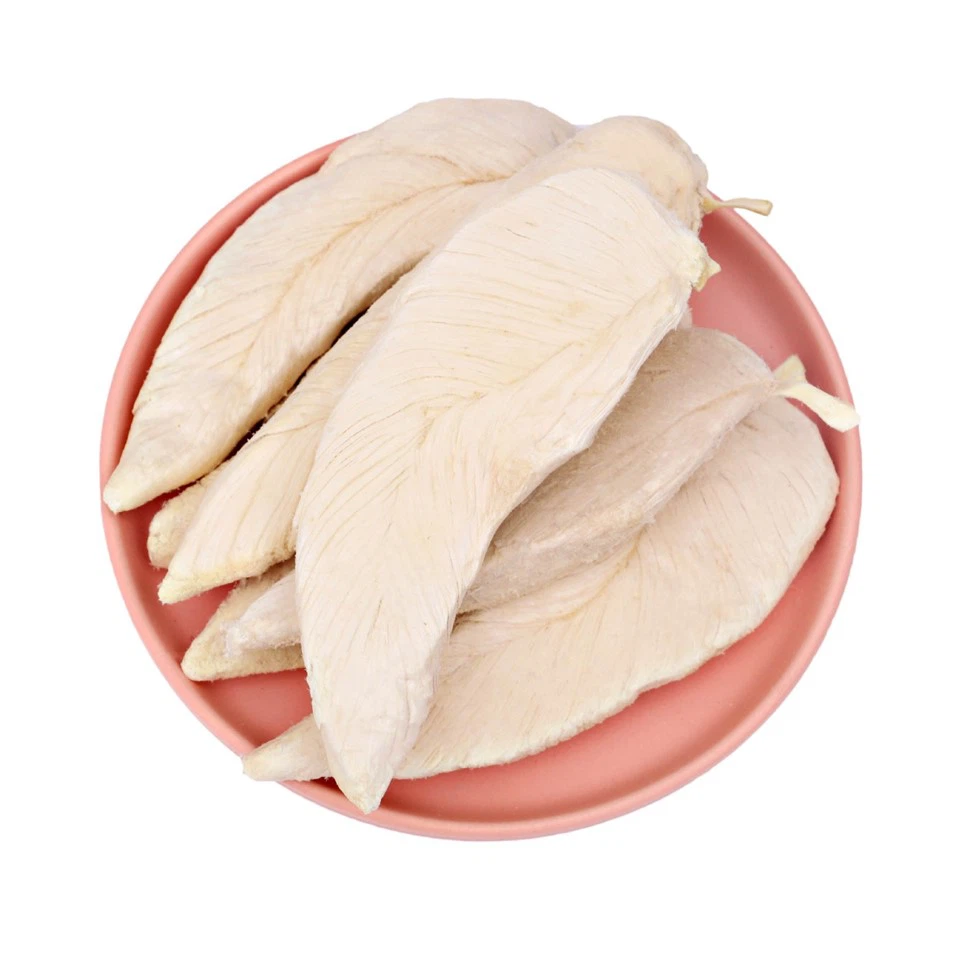

If you're interested in other freeze - dried pet food products, you can check out Supplier Of Freeze - dried Cod, The Factory For Freeze - Dried Chicken Breast, and Healthy Freeze - dried Raw Meat Suppliers.
Contact for Purchase and洽谈
If you're in the market for high - quality safe raw egg yolks or our freeze - dried egg yolk products, we'd love to hear from you. Whether you're a food manufacturer, a restaurant owner, or an individual with a passion for cooking, our products can meet your needs. Reach out to us to discuss your requirements and start a partnership.
References
- "The Science of Eggs" by Shirley Corriher.
- "Food Microbiology: An Introduction" by Michael P. Doyle and Linda R. Beuchat.
- "Storage and Shelf - Life of Eggs" published by the American Egg Board.