

As a leading supplier of pellet dog food, I often get asked about the difference between premium and regular pellet dog food. With so many options on the market, it can be challenging for pet owners to understand what sets these two types of food apart. In this blog post, I'll delve into the key distinctions, helping you make informed decisions about your furry friend's diet.
1. Ingredients
One of the most significant differences between premium and regular pellet dog food lies in their ingredients. Premium pellet dog food typically uses higher - quality ingredients. For instance, the meat sources in premium food are often of a better grade. They may use real, whole meats such as chicken, beef, or fish, as the first ingredient. These proteins are more bioavailable, meaning that dogs can digest and absorb the nutrients more efficiently.
On the other hand, regular pellet dog food may contain meat by - products, which are the non - meat parts of the animal, like organs, bones, and cartilage. While meat by - products are not necessarily bad, they are generally of lower quality compared to whole meats. Additionally, premium pellet dog food is less likely to contain fillers like corn, wheat, and soy. These fillers are cheap sources of carbohydrates, but they can be difficult for some dogs to digest and may cause allergic reactions. Regular dog food may rely more on these fillers to bulk up the product and keep the cost down.
For a more detailed look at healthy dog food options, you can visit Fresh Healthy Dog Food.
2. Nutritional Content
The nutritional content of premium and regular pellet dog food also varies significantly. Premium dog food is formulated to provide a more balanced and complete diet. It usually contains higher levels of essential nutrients such as vitamins, minerals, and fatty acids. For example, omega - 3 fatty acids, which are beneficial for a dog's skin and coat health, cognitive function, and joint health, are often more abundant in premium pellet dog food.
Premium brands also pay more attention to the amino acid profile in their products. Dogs require a certain balance of amino acids to maintain good health, and premium pellet dog food is designed to meet these exacting standards. Regular pellet dog food may have a less precise nutritional balance, and some nutrients may be present in lower quantities. This could potentially lead to nutritional deficiencies over time if a dog is fed only regular food without additional supplementation.
3. Manufacturing Process
The manufacturing process is another area where premium and regular pellet dog food diverge. Premium dog food manufacturers often use more advanced and quality - control - oriented production methods. They may have stricter standards for sourcing ingredients, as well as for processing and packaging. For example, premium pellet dog food may be cooked at lower temperatures to preserve the nutritional value of the ingredients. Lower - temperature cooking helps to retain the vitamins, enzymes, and other heat - sensitive nutrients that can be destroyed during high - temperature processing.
Regular pellet dog food may be produced using more cost - effective methods, which could include higher - temperature cooking and less strict quality control. This can result in a loss of some of the nutritional value of the ingredients. Additionally, premium dog food manufacturers may conduct more extensive testing on their products to ensure safety and quality, such as testing for contaminants and verifying the accuracy of nutritional labels.
4. Digestibility
Digestibility is a crucial factor when it comes to your dog's health. Premium pellet dog food is generally more digestible than regular dog food. This is mainly due to the higher - quality ingredients and better manufacturing processes. As mentioned earlier, the use of whole meats and the absence of excessive fillers in premium dog food make it easier for dogs to break down and absorb the nutrients.
When a dog consumes food that is easily digestible, it can lead to several benefits. Firstly, there will be less waste produced, which means cleaner stools. Secondly, better digestibility can improve a dog's overall energy levels and immune system. Regular pellet dog food, with its lower - quality ingredients and potentially less - friendly manufacturing processes, may leave more undigested food in the dog's digestive tract, leading to more frequent trips to the bathroom and less efficient nutrient absorption.
5. Price
Price is an obvious difference between premium and regular pellet dog food. Premium dog food is generally more expensive. This is because of the higher - quality ingredients, better manufacturing processes, and more extensive research and development that goes into creating these products. However, it's important to consider the long - term benefits. Feeding your dog a premium diet can potentially lead to fewer health problems in the future, saving you money on veterinary bills.
Regular pellet dog food is more budget - friendly, making it a popular choice for pet owners who are on a tight budget. However, it's essential to balance cost with the nutritional needs of your dog. In some cases, spending a little more on premium food can be a wise investment in your dog's health and well - being.
6. Brand Reputation and Customer Service
Premium brands of pellet dog food often have a better brand reputation. They are more likely to have a long - standing history of producing high - quality products and may have received awards or positive reviews from pet owners and experts alike. These brands also tend to offer better customer service. If you have questions or concerns about their products, they are more likely to respond promptly and provide helpful information.
Regular pellet dog food brands may not have the same level of brand recognition or customer service. They may be more focused on mass - producing affordable products rather than building a strong relationship with their customers.
If you're interested in exploring our range of pellet dog food, you can visit Pellet Dog Food to learn more.
7. Specialized and Functional Formulas
Premium pellet dog food is more likely to offer specialized and functional formulas. These formulas are designed to meet the specific needs of different dogs, such as puppies, senior dogs, or dogs with health issues. For example, there are premium pellet dog foods formulated to support joint health in older dogs, or to provide extra protein for growing puppies.
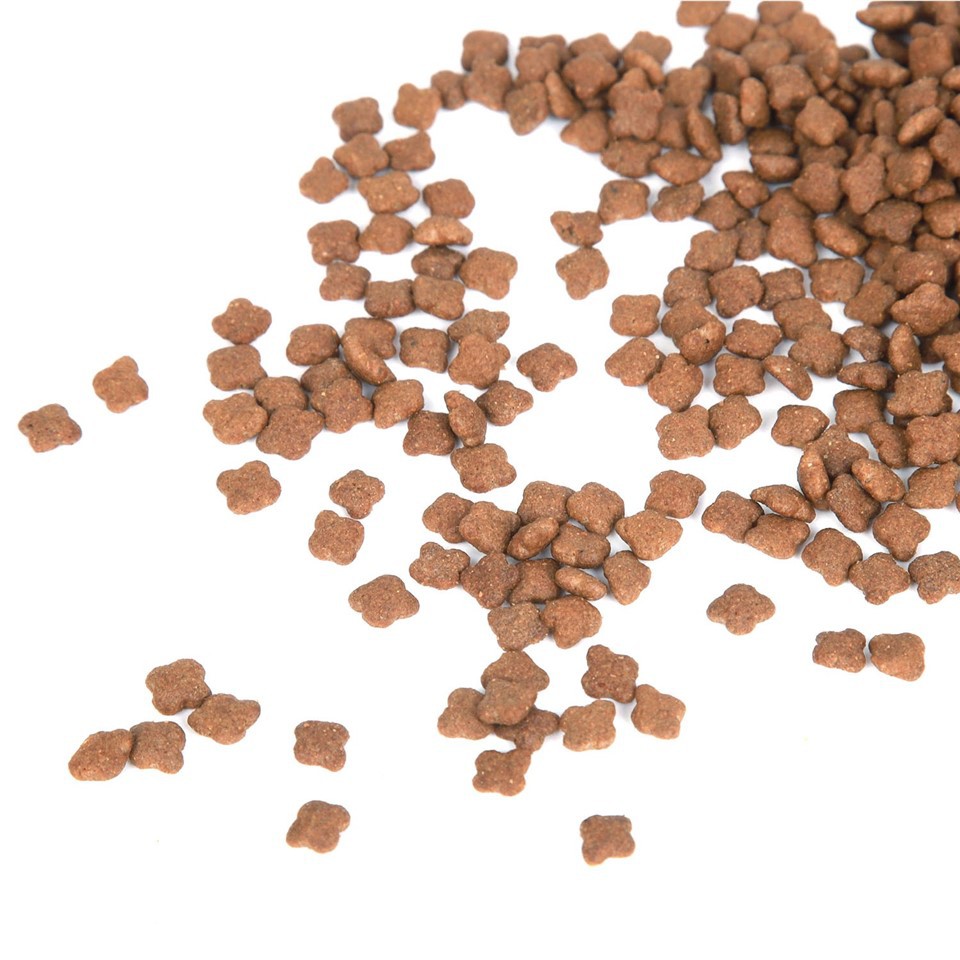

Some premium brands also offer functional dog food. These products are enriched with additional ingredients that have specific health benefits, such as probiotics for digestive health or antioxidants for immune support. You can find more about functional dog food at Functional Dog Food.
Conclusion
In conclusion, the differences between premium and regular pellet dog food are significant. Premium dog food offers higher - quality ingredients, better nutritional content, more advanced manufacturing processes, greater digestibility, and often comes with a better brand reputation and specialized formulas. While it may be more expensive, it can be a worthy investment in your dog's long - term health.
If you're a pet store owner, a distributor, or just a large - scale purchaser looking for a reliable pellet dog food supplier, I encourage you to reach out. We are committed to providing high - quality pellet dog food that meets the highest standards. Whether you're interested in our regular or premium pellet dog food, we are ready to have a discussion with you about your purchasing needs. Contact us to start a procurement negotiation and give your customers or your furry friends the best in dog nutrition.
References
- Hand, M.S., Thatcher, C.D., Remillard, R.L., & Roudebush, P. (2010). Small Animal Clinical Nutrition. Mark Morris Institute.
- American Association of Feed Control Officials (AAFCO). Official Publication. Various editions.
- Larsen, L., & Kasten, M. (2018). Nutritional Guidelines for Dogs: A Comprehensive Review. Journal of Canine Health and Nutrition.