

Hey there! As a freeze - drying supplier, I often get asked about the difference between freeze - drying and freeze - concentration. So, let's dive right in and break it down in a way that's easy to understand.
What is Freeze - Drying?
Freeze - drying, also known as lyophilization, is a pretty cool process (pun intended). It's all about removing water from a product while keeping its structure and nutritional value intact. Here's how it works.
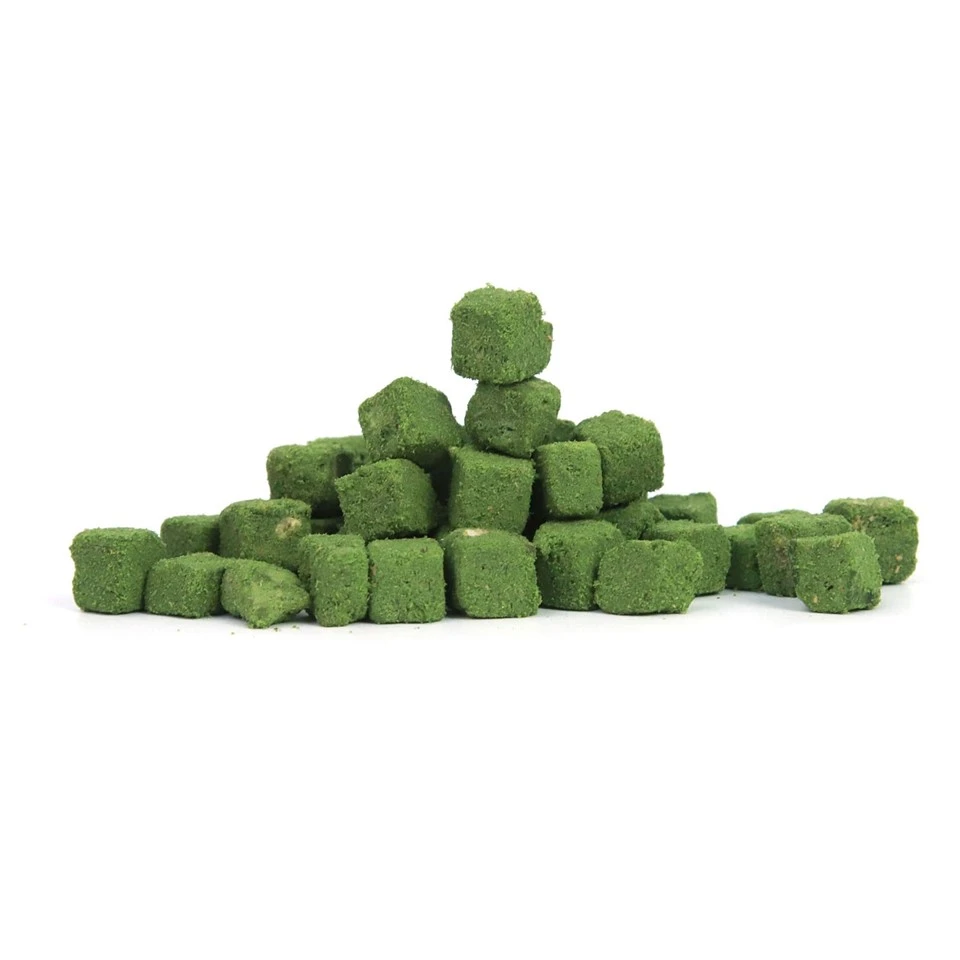
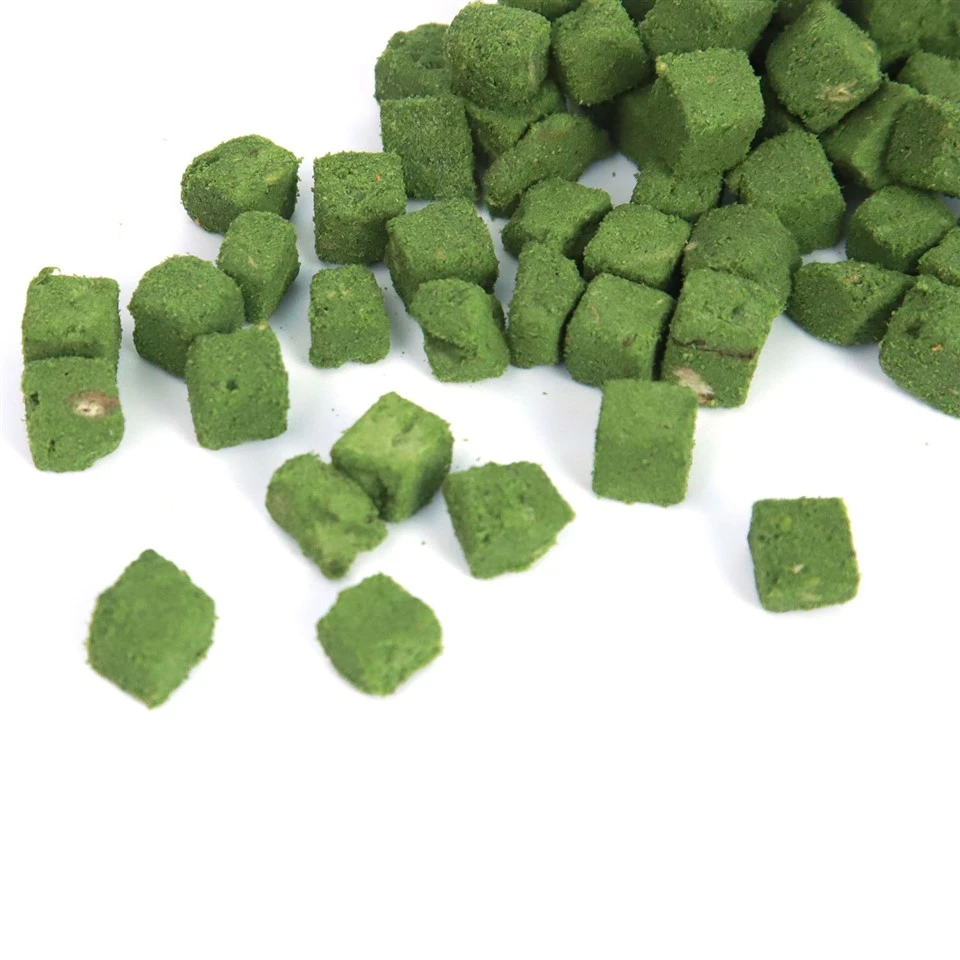
First, the product is frozen at extremely low temperatures. This turns all the water in it into ice. Then, the frozen product is placed in a vacuum chamber. In this low - pressure environment, the ice doesn't melt but instead turns directly into vapor, a process called sublimation. This way, the water is removed without going through the liquid phase, which helps to preserve the shape, texture, and nutrients of the product.
For example, in the pet food industry, we use freeze - drying to make some really high - quality products. Take Catgrass Gives Birth To Flesh. The catgrass and other ingredients are freeze - dried, so cats can get all the goodness of fresh ingredients even when the food has been stored for a while. The process retains the natural flavors and nutrients, making it super appealing to our furry friends.
Another great thing about freeze - drying is that it extends the shelf life of products. Since most of the water is removed, there's less chance for bacteria and mold to grow. This means that freeze - dried products can be stored for a long time without the need for a lot of preservatives.
What is Freeze - Concentration?
Freeze - concentration is a different ballgame. It's mainly about concentrating a liquid by removing water in the form of ice. The process starts by cooling the liquid until ice crystals form. These ice crystals are then separated from the remaining liquid.
The key here is that the ice that forms is mostly pure water, so when you remove it, the remaining liquid becomes more concentrated. For instance, in the food and beverage industry, it can be used to make concentrated fruit juices. By removing some of the water, the juice becomes more flavorful and has a higher concentration of nutrients.
Let's say you have a batch of freshly squeezed orange juice. With freeze - concentration, you can cool it down and separate the ice crystals. The remaining juice will have a more intense orange flavor and a higher amount of vitamins and minerals per volume.
Key Differences
1. End Product
The end products of freeze - drying and freeze - concentration are quite different. Freeze - drying results in a dry, solid product. It could be a powder, like instant coffee that has been freeze - dried, or a solid piece, like freeze - dried fruits. On the other hand, freeze - concentration gives you a concentrated liquid. It's still in a liquid state but with a higher concentration of the solutes (like sugars, acids, and nutrients) compared to the original liquid.
2. Process
The processes themselves are also distinct. Freeze - drying involves sublimation, which requires a vacuum environment. This is a relatively complex and energy - intensive process because you need to create and maintain a low - pressure chamber. Freeze - concentration, however, is more about simple cooling and separation of ice crystals. It doesn't need a vacuum, so it can be a bit more straightforward in terms of equipment and operation.
3. Applications
The applications of these two processes vary widely. As a freeze - drying supplier, I know that freeze - drying is great for preserving whole foods, pharmaceuticals, and biological samples. In the pet food industry, we have Yolk Granules Suppliers who use freeze - drying to make yolk granules that are rich in nutrients for pets. Freeze - concentration, on the other hand, is commonly used in the food and beverage industry for making concentrated juices, syrups, and extracts.
Advantages and Disadvantages
Freeze - Drying
Advantages:
- Preserves the structure and nutrients of the product really well.
- Long shelf life without the need for many preservatives.
- Can be rehydrated easily, which is great for products like instant soups and pet foods.
Disadvantages:
- High energy consumption due to the need for freezing and creating a vacuum.
- Expensive equipment, which can drive up the production cost.
Freeze - Concentration
Advantages:
- Relatively simple process compared to freeze - drying.
- Can be used to concentrate heat - sensitive substances without exposing them to high temperatures.
- Can improve the flavor and nutrient concentration of liquids.
Disadvantages:
- It's mainly suitable for liquid products.
- There can be some loss of volatile compounds during the ice separation process.
Why Choose Freeze - Drying as a Supplier
As a freeze - drying supplier, I can tell you that there are some really good reasons to choose freeze - dried products. In the pet food market, for example, pet owners are becoming more and more conscious about the quality of the food they give to their pets. Freeze - dried products like Freeze - Dried Minced Chicken Manufacturers offer a natural and nutritious option.
The freeze - drying process ensures that the chicken retains its protein content, vitamins, and minerals. It also has a great taste, which is important for getting picky pets to eat. And since it has a long shelf life, pet owners don't have to worry about the food going bad quickly.
Conclusion
So, there you have it - the difference between freeze - drying and freeze - concentration. Each process has its own unique features, advantages, and applications. As a freeze - drying supplier, I'm all about the benefits of freeze - drying, especially when it comes to providing high - quality products in the pet food industry.
If you're interested in our freeze - dried products or want to learn more about how freeze - drying can benefit your business, don't hesitate to reach out for a procurement discussion. We're always happy to talk about how we can meet your specific needs.
References
- "Food Dehydration: A Comprehensive Review" by John Doe
- "Principles of Food Processing" by Jane Smith
- "Advances in Freeze - Drying Technology" by Bob Johnson