

Hey there, fellow dog lovers! As a supplier of pellet dog food, I often get asked about the preservatives used in our products. So, I thought I'd take the time to break it down for you and explain why we use them, what types we use, and how they keep your furry friend's food fresh and safe.
Why Do We Use Preservatives in Pellet Dog Food?
Let's start with the basics. Preservatives play a crucial role in the pet food industry, especially when it comes to pellet dog food. These little nuggets of goodness are packed with nutrients that your dog needs to stay healthy and happy. But here's the thing: those same nutrients can also attract bacteria, mold, and other nasties that can spoil the food and make your dog sick. That's where preservatives come in.
Preservatives help to extend the shelf life of pellet dog food by preventing the growth of microorganisms and slowing down the oxidation process. Oxidation is what causes fats and oils in the food to go rancid, which can not only make the food taste and smell bad but also reduce its nutritional value. By using preservatives, we can ensure that our pellet dog food stays fresh, flavorful, and nutritious from the moment it leaves our factory to the moment it hits your dog's bowl.
Types of Preservatives Used in Pellet Dog Food
Now that we know why we use preservatives, let's take a look at the different types that are commonly used in pellet dog food. There are two main categories of preservatives: natural and synthetic.
Natural Preservatives
Natural preservatives are derived from natural sources such as plants, herbs, and spices. They are often preferred by pet owners who are looking for a more "natural" or "holistic" option for their dogs. Some common natural preservatives used in pellet dog food include:
- Tocopherols (Vitamin E): Tocopherols are a group of antioxidants that are found naturally in many foods, including nuts, seeds, and vegetable oils. They work by preventing the oxidation of fats and oils in the food, which helps to keep it fresh and prevent the formation of free radicals.
- Ascorbic Acid (Vitamin C): Ascorbic acid is another antioxidant that is commonly used as a preservative in pellet dog food. It works by neutralizing free radicals and preventing the oxidation of fats and oils.
- Rosemary Extract: Rosemary extract is a natural antioxidant that is derived from the rosemary plant. It contains compounds such as carnosic acid and rosmarinic acid, which have been shown to have antioxidant and antimicrobial properties.
Synthetic Preservatives
Synthetic preservatives are man-made chemicals that are designed to prevent the growth of microorganisms and slow down the oxidation process. While some pet owners may be wary of synthetic preservatives, they are generally considered safe for use in pet food when used in accordance with the regulations set by the appropriate authorities. Some common synthetic preservatives used in pellet dog food include:
- BHA (Butylated Hydroxyanisole): BHA is a synthetic antioxidant that is commonly used as a preservative in pellet dog food. It works by preventing the oxidation of fats and oils in the food, which helps to keep it fresh and prevent the formation of free radicals.
- BHT (Butylated Hydroxytoluene): BHT is another synthetic antioxidant that is commonly used as a preservative in pellet dog food. It works in a similar way to BHA by preventing the oxidation of fats and oils in the food.
- Ethoxyquin: Ethoxyquin is a synthetic antioxidant that was once widely used as a preservative in pet food. However, due to concerns about its potential health effects, its use in pet food has been restricted in many countries.
Safety and Regulations
As a supplier of pellet dog food, the safety and well-being of your dogs are our top priorities. That's why we only use preservatives that are approved by the appropriate regulatory authorities, such as the Food and Drug Administration (FDA) in the United States and the European Food Safety Authority (EFSA) in Europe. These authorities have conducted extensive research and testing to ensure that the preservatives used in pet food are safe for consumption and do not pose any significant health risks to dogs.

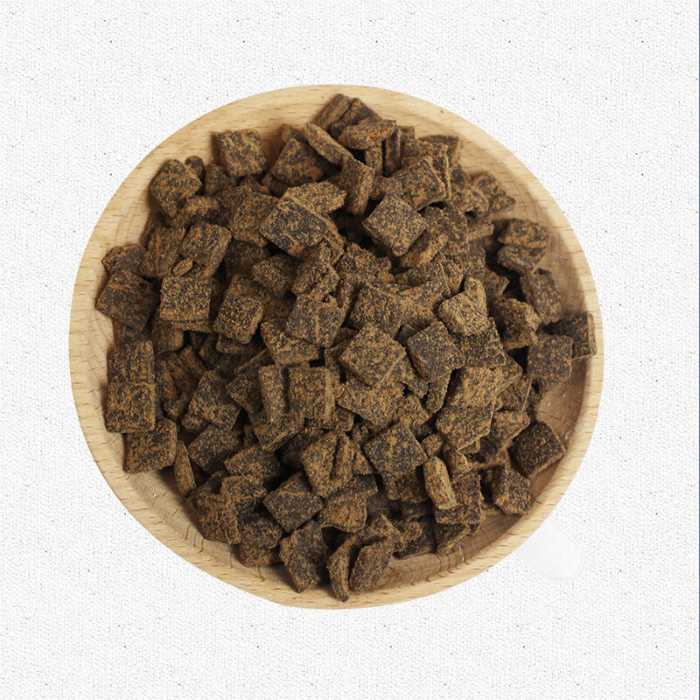
In addition to using approved preservatives, we also follow strict manufacturing processes and quality control measures to ensure that our pellet dog food meets the highest standards of safety and quality. We regularly test our products for the presence of contaminants, such as bacteria, mold, and heavy metals, and we only use ingredients that are sourced from reputable suppliers.
The Benefits of Using Preservatives in Pellet Dog Food
While some pet owners may be hesitant to feed their dogs food that contains preservatives, there are actually several benefits to using them in pellet dog food. Here are a few of the key benefits:
- Extended Shelf Life: As mentioned earlier, preservatives help to extend the shelf life of pellet dog food by preventing the growth of microorganisms and slowing down the oxidation process. This means that you can buy larger quantities of food at once and store it for longer periods of time without having to worry about it spoiling.
- Consistent Quality: By using preservatives, we can ensure that our pellet dog food maintains a consistent quality from batch to batch. This means that your dog will always be getting the same high-quality food, regardless of when you buy it.
- Nutritional Value: Preservatives help to preserve the nutritional value of pellet dog food by preventing the oxidation of fats and oils and the growth of microorganisms. This means that your dog will be getting all of the essential nutrients that they need to stay healthy and happy.
Conclusion
In conclusion, preservatives play a crucial role in the pet food industry, especially when it comes to pellet dog food. They help to extend the shelf life of the food, prevent the growth of microorganisms, and preserve its nutritional value. While there are both natural and synthetic preservatives available, we only use those that are approved by the appropriate regulatory authorities and follow strict manufacturing processes and quality control measures to ensure the safety and quality of our products.
If you're interested in learning more about our pellet dog food or have any questions about the preservatives that we use, please don't hesitate to reach out to us. We'd be happy to answer any questions that you may have and help you find the perfect food for your furry friend.
And if you're looking for other types of dog food, we also have a High Protein Dog Food Factory, an A Factory For Cereal Dog Food, and we're a Supplier Of Air-dried Dog Food.
We're always open to new business opportunities and would love to discuss potential partnerships. If you're a retailer, distributor, or just a pet owner looking to stock up on high-quality dog food, get in touch with us today to start the conversation about purchasing our products.
References
- "Pet Food Preservation: An Overview." Pet Food Industry, 2023.
- "Safety of Preservatives in Pet Food." American Veterinary Medical Association, 2022.
- "Natural vs. Synthetic Preservatives in Pet Food." The Whole Dog Journal, 2021.