

As a supplier of pellet cat food, I understand that while our product has its advantages, it's important to be transparent about its potential disadvantages. In this blog, I'll delve into the drawbacks of pellet cat food based on scientific research and practical experience.
1. Dental Health Concerns
One of the commonly cited disadvantages of pellet cat food is its impact on dental health. Many people assume that the hard texture of pellets helps clean a cat's teeth as they chew. However, the reality is more complex.
Pellets often have a high carbohydrate content. When cats eat these pellets, the carbohydrates can stick to their teeth and gums. Bacteria in the mouth then feed on these carbohydrates, producing acids that can lead to tooth decay, gum disease, and bad breath. According to a study published in the Journal of Feline Medicine and Surgery, cats fed a diet primarily consisting of dry pellet food are at a higher risk of developing dental problems compared to those with a more varied diet.
Unlike natural prey, which requires significant chewing and can help clean teeth mechanically, pellets are often small and can be swallowed quickly without much chewing. This lack of proper chewing doesn't provide the same level of dental stimulation as a more natural diet.
2. Hydration Issues
Cats have a low thirst drive, which means they rely on obtaining moisture from their food. Pellet cat food typically has a very low moisture content, usually around 10 - 12%. In contrast, the moisture content of a cat's natural prey, such as mice or birds, is much higher, around 70 - 75%.
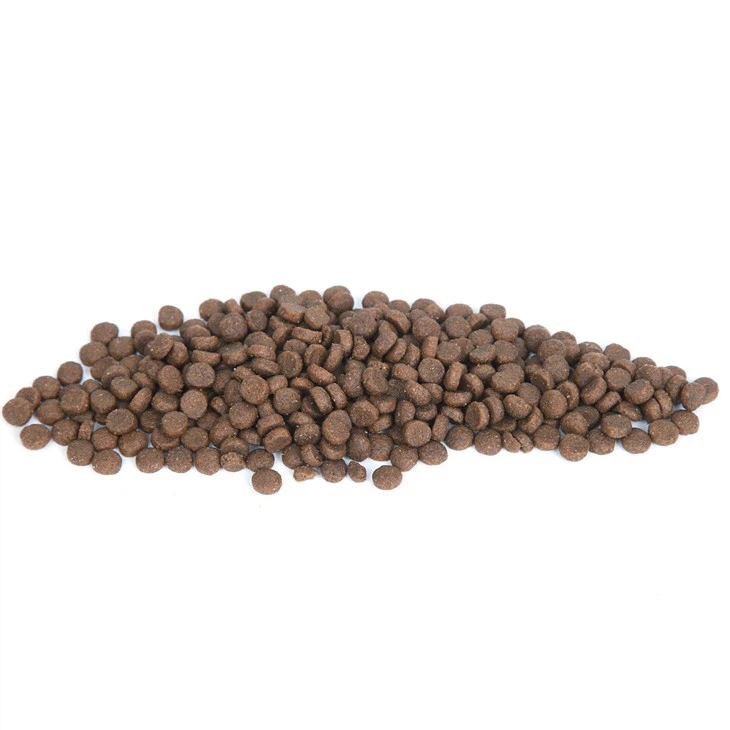

A diet low in moisture can lead to dehydration in cats. Chronic dehydration can have serious health consequences, including kidney problems, urinary tract issues, and an increased risk of developing crystals or stones in the urinary tract. Research from the American Association of Feline Practitioners has shown that cats fed a dry pellet diet are more likely to experience these urinary tract problems compared to those on a wet or raw food diet.
To compensate for the low moisture content in pellet food, cats would need to drink a significant amount of water. However, many cats don't drink enough water on their own, especially if they are used to a diet with low moisture. This can put them at risk of long - term health problems related to inadequate hydration.
3. Nutritional Imbalances
While pellet cat food is formulated to meet the basic nutritional requirements of cats, there can be issues with nutritional imbalances. Pellet manufacturing processes often involve high - heat extrusion, which can destroy some of the heat - sensitive nutrients in the ingredients. For example, vitamins such as vitamin C and some B - vitamins can be degraded during the extrusion process.
In addition, some pellet cat foods may contain fillers, such as corn, wheat, and soy, which are not natural parts of a cat's diet. Cats are obligate carnivores, meaning they require a diet high in animal - based protein. Fillers like grains may not provide the necessary nutrients and can be difficult for cats to digest.
Moreover, the quality of ingredients in pellet cat food can vary widely. Some manufacturers may use lower - quality proteins or other ingredients to keep costs down. This can lead to a diet that doesn't provide all the essential nutrients in the right proportions. For instance, a lack of essential fatty acids, such as omega - 3 and omega - 6 fatty acids, can affect a cat's skin and coat health, as well as its immune system.
4. Obesity Risk
Pellet cat food is often calorie - dense. The high carbohydrate content, combined with the relatively small size of the pellets, can make it easy for cats to overeat. Many cat owners free - feed their cats, leaving a bowl of pellets out all day. This can lead to cats consuming more calories than they need, resulting in weight gain and obesity.
Obesity in cats is a growing concern, as it can lead to a variety of health problems, including diabetes, joint problems, and heart disease. According to a study in the Journal of Veterinary Internal Medicine, cats on a dry pellet diet are more likely to be overweight or obese compared to those on a more natural or balanced diet.
The energy density of pellet cat food can also make it difficult for cat owners to control their cat's calorie intake. Unlike wet or raw food, where it's easier to measure and portion out the amount of food, it's harder to tell if a cat is eating too much when they are fed pellets.
5. Allergic Reactions
Some cats may be allergic or sensitive to certain ingredients in pellet cat food. As mentioned earlier, grains such as corn, wheat, and soy are common fillers in pellet food, and they can trigger allergic reactions in some cats. Symptoms of food allergies in cats can include itching, hair loss, skin rashes, vomiting, and diarrhea.
In addition, some cats may be allergic to specific proteins used in the pellet food, such as chicken, beef, or fish. Identifying the source of the allergy can be challenging, especially if the cat has been on a single brand of pellet food for a long time. Switching to a different type of food may be necessary to manage the allergy, which can be costly and time - consuming for cat owners.
6. Palatability and Preference
Not all cats find pellet cat food palatable. Some cats may be picky eaters and prefer the taste and texture of wet or raw food. The hard, dry texture of pellets may not be appealing to some cats, especially those that are used to a more natural diet.
This lack of palatability can lead to cats not eating enough, which can result in weight loss and other health problems. Cat owners may find themselves having to try different brands or flavors of pellet food to find one that their cat will eat, which can be frustrating and expensive.
If you're interested in learning more about different types of cat food, you can visit these links: Manufacturer Of Coarse Cat Food, Manufacturers Concentric Circle Shape Cat Food, and Concentrated Circle Shape Cat Food Factory.
Despite these disadvantages, our pellet cat food is formulated with high - quality ingredients and undergoes strict quality control to minimize these issues. We are constantly researching and improving our products to provide the best nutrition for your cats. If you're a pet store owner, a distributor, or simply interested in purchasing our pellet cat food in bulk, we invite you to contact us for a procurement negotiation. We are committed to working with you to meet your needs and ensure the health and well - being of your cats.
References
- Journal of Feline Medicine and Surgery
- American Association of Feline Practitioners
- Journal of Veterinary Internal Medicine