

Hey there, fellow cat lovers! As a cat food supplier, I get this question a lot: “How do I transition my cat to a new cat food?” It's a valid concern because cats can be real picky eaters, and sudden changes in their diet can lead to some unpleasant tummy troubles. So, let's dive into this topic and figure out the best way to make this transition as smooth as possible.
Why Transitioning Is Important
First off, why is it so crucial to transition your cat's food gradually? Well, cats have sensitive digestive systems. Their guts are used to a certain type of food, and if you suddenly switch it up, it can cause diarrhea, vomiting, or a general lack of appetite. Think about it like this: if you've been eating the same thing for years and then someone shoves a completely new and strange dish in front of you, your stomach might not be too happy either.
Another reason is that cats are creatures of habit. They like consistency, and a sudden change in their food can stress them out. Stress can lead to all sorts of behavioral and health issues, so it's best to take it slow.
Choosing the Right New Food
Before you start the transition, you need to pick the right new cat food. There are so many options out there, and it can be overwhelming. As a cat food supplier, I've seen it all. You might want to consider High Protein Cat Food. Cats are obligate carnivores, which means they need a diet high in protein to thrive. High protein cat food can help keep your cat's muscles strong, their coat shiny, and their energy levels up.
If you're looking for something a bit different, Baked Cat Food is a great option. Baked cat food is often made with high - quality ingredients and has a unique texture that some cats really love.

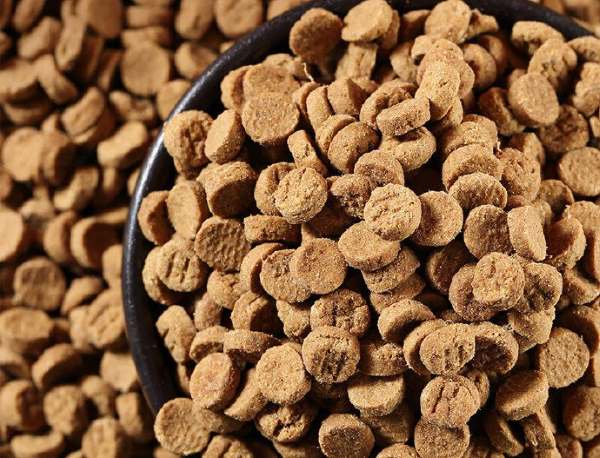
And if you have a kitten, don't forget about Manufacturer Of Baby Cat Food. Kittens have different nutritional needs than adult cats, and it's important to choose a food that's specifically formulated for them.
The Transition Process
Now that you've chosen the right new food, it's time to start the transition. The key here is to go slow. A good rule of thumb is to start with just 10% of the new food and 90% of the old food. You can mix them together in your cat's bowl. This way, your cat gets a little taste of the new food without being overwhelmed by it.
For the first few days, keep an eye on your cat's reaction. If they seem to be okay with the new mix, you can gradually increase the amount of new food. After about three to four days, you can bump it up to 20% new food and 80% old food.
Continue this process over the course of about a week or two. Increase the new food by 10% every few days until you're feeding your cat 100% of the new food. This slow transition gives your cat's digestive system time to adjust to the new ingredients.
Tips for a Successful Transition
- Be patient: Cats can be stubborn, and it might take a while for them to accept the new food. Don't get frustrated if they turn their nose up at it at first. Just keep offering the mixed food and be consistent.
- Make it appealing: You can try warming up the food slightly. The smell of warm food can be more enticing to cats. You can also add a little bit of low - sodium chicken broth to the mix to make it more flavorful.
- Stick to a schedule: Cats like routine. Try to feed your cat at the same times every day. This will help them get used to the new food more easily.
Troubleshooting
What if your cat still refuses to eat the new food even after a slow transition? First, make sure there aren't any health issues. Sometimes, a lack of appetite can be a sign of an underlying problem. If you're concerned, it's always a good idea to take your cat to the vet.
If there are no health issues, you might need to try a different brand or flavor of cat food. Remember, every cat has its own taste preferences. You might have to experiment a bit to find the perfect food for your furry friend.
Contact Us for More
If you're still unsure about transitioning your cat to a new food or if you're interested in purchasing our high - quality cat food products, don't hesitate to reach out. We're here to help you make the best choices for your cat's health and happiness. Whether you have questions about our High Protein Cat Food, Baked Cat Food, or Manufacturer Of Baby Cat Food, we've got the answers.
References
- "The Cat Owner's Manual" by Linda P. Case
- "Feline Nutrition for Dummies" by Dr. Susan G. Wynn and Dr. Cailin Heinze