

Hey there, fellow dog lovers! As a dog food supplier, I've seen firsthand how crucial it is to pick the right dog food brand for our furry friends. With so many options out there, it can be a real head - scratcher. But don't worry, I'm here to break it down for you.
Understanding Your Dog's Needs
First things first, every dog is unique. Just like us, they have different nutritional requirements based on their age, breed, size, and activity level. Puppies, for example, need a diet rich in protein and calories to support their growth. They're like little energy bundles, constantly on the move and developing their muscles and bones. A high - quality puppy food will have the right balance of nutrients to fuel this growth. Check out High Protein Dog Food for some great options that are perfect for puppies.
On the other hand, senior dogs tend to be less active and may have some health issues like joint problems or a slower metabolism. They need a diet that's easier to digest and may be lower in calories. Foods with glucosamine and chondroitin can be great for their joints.
Big breeds have different needs compared to small breeds. Large dogs grow at a slower rate but can be prone to joint issues. They need a diet that controls their growth rate and supports joint health. Small breeds, on the contrary, have a faster metabolism and may need more calories per pound of body weight.
If your dog is super active, like a working dog or a dog that goes on long hikes with you, they'll need more energy - dense food to keep up with their activity level. And if your dog is more of a couch potato, you'll want to avoid overfeeding them with high - calorie foods.
Reading the Ingredients List
The ingredients list on a dog food package is like a roadmap to what's actually in the food. The first few ingredients are the most important because they make up the majority of the product. You want to see real meat as the first ingredient. That could be chicken, beef, fish, or lamb. Real meat is a great source of high - quality protein, which is essential for your dog's muscle development, immune system, and overall health.
Avoid foods that list "meat by - products" as the main ingredient. Meat by - products can include things like lungs, spleens, and intestines, which may not be as nutritionally valuable as real meat. Also, stay away from foods with a lot of fillers like corn, wheat, and soy. These ingredients are often used as cheap fillers and can be hard for some dogs to digest.
Look for foods that have added vitamins and minerals. Things like vitamin E, vitamin C, and omega - 3 fatty acids are great for your dog's skin and coat health. Probiotics are also a plus as they can help with digestion.
Considering the Brand's Reputation
Not all dog food brands are created equal. Some brands have a long - standing reputation for quality, while others may have had some issues in the past. Do some research on the brand you're considering. Look for reviews from other dog owners. You can check online forums, social media groups, or even ask your veterinarian.
A good brand will be transparent about their sourcing and manufacturing processes. They'll tell you where they get their ingredients from and how they make their food. Brands that invest in research and development are also a good sign. They're more likely to produce high - quality, nutritionally balanced dog food.
As a Supplier Of Functional Dog Food, I can tell you that we take pride in our sourcing. We work with trusted suppliers to get the best ingredients for our dog food. We also have strict quality control measures in place to ensure that every bag of dog food meets our high standards.
Looking at the Type of Dog Food
There are different types of dog food available, such as dry kibble, wet food, and air - dried food. Each type has its own pros and cons.
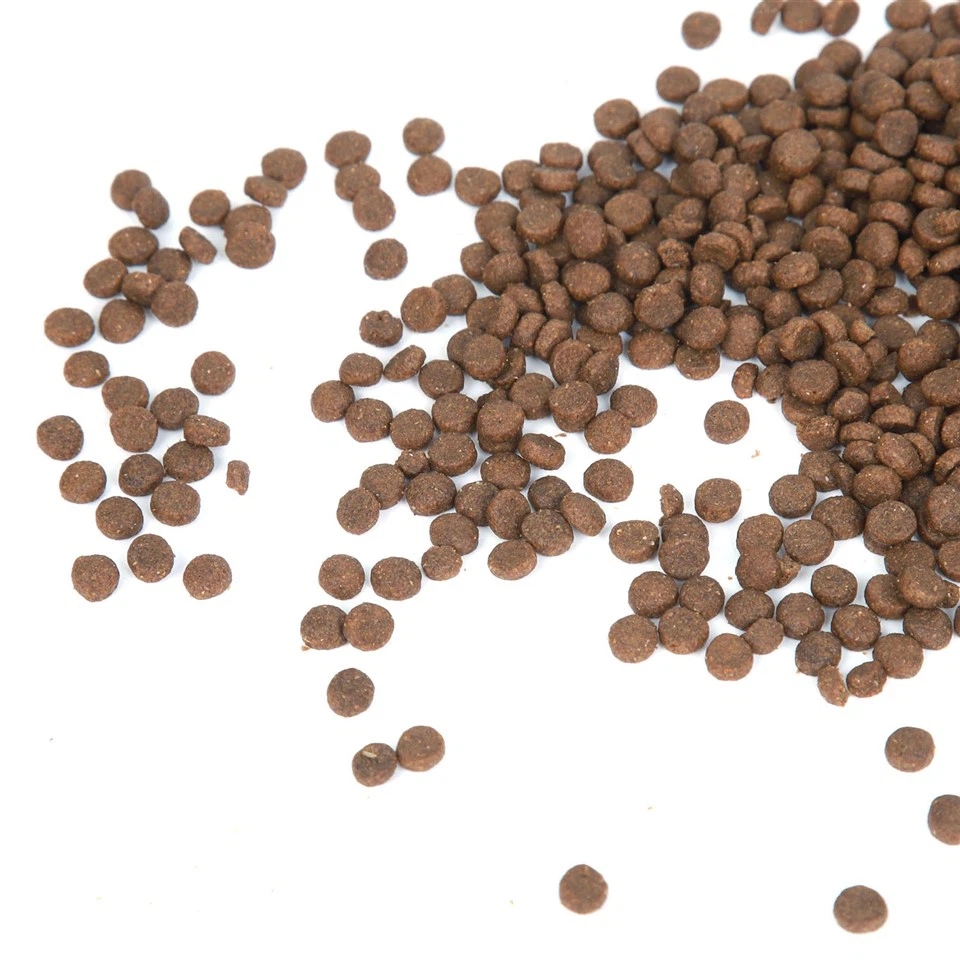
Dry kibble is the most popular type of dog food. It's convenient, easy to store, and usually more affordable than other types. It also helps keep your dog's teeth clean as the crunching action can remove plaque. However, some dry kibbles may contain more fillers and less moisture.
Wet food is more palatable for many dogs and has a higher moisture content, which can be good for dogs that don't drink enough water. But it can be more expensive and doesn't keep as long once opened.
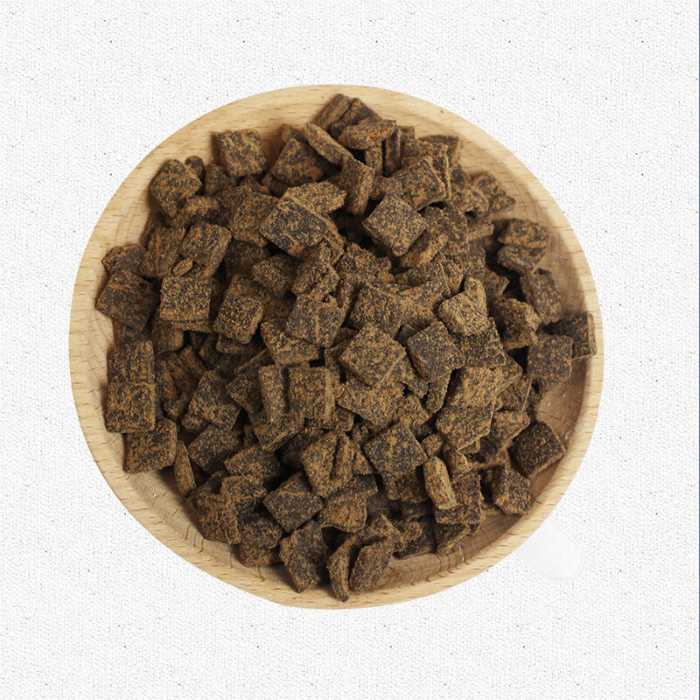
Air - dried food is a great middle - ground. It's made by slowly drying the ingredients at low temperatures, which helps preserve the nutrients. It has a long shelf - life and is highly palatable. If you're interested in air - dried dog food, check out our Supplier Of Air - dried Dog Food page.
Checking for Special Dietary Requirements
Some dogs have special dietary requirements due to allergies or health conditions. If your dog has a food allergy, you'll need to find a dog food that doesn't contain the allergen. Common allergens in dog food include beef, chicken, dairy, and wheat. There are many hypoallergenic dog food options available that use alternative proteins like duck, venison, or fish.
If your dog has a health condition like diabetes or kidney disease, they'll need a specialized diet. Your veterinarian can recommend the best food for your dog's specific condition.
Cost vs. Quality
It's true that high - quality dog food can be more expensive, but it's important to think about the long - term benefits. Feeding your dog a good quality diet can help prevent health problems down the road, which can save you money on veterinary bills.
Don't just go for the cheapest option on the shelf. Sometimes, you get what you pay for. However, that doesn't mean you have to break the bank. There are some great mid - range dog food brands that offer good quality at a reasonable price.
Making the Switch
Once you've chosen the right dog food brand, it's important to make the switch gradually. Sudden changes in diet can cause digestive upset in dogs. Start by mixing a small amount of the new food with your dog's old food. Over the course of about a week, gradually increase the amount of the new food and decrease the amount of the old food.
Conclusion
Choosing the right dog food brand is a big decision, but it doesn't have to be overwhelming. By understanding your dog's needs, reading the ingredients list, considering the brand's reputation, looking at the type of dog food, checking for special dietary requirements, and weighing the cost vs. quality, you can make an informed choice.
If you're interested in learning more about our dog food products or have any questions, feel free to reach out. We're always happy to help you find the perfect food for your furry friend. Whether you're a new dog owner or just looking to switch up your dog's diet, we've got you covered. Let's work together to keep your dog healthy and happy!
References
- American Kennel Club. (n.d.). Choosing the Right Dog Food. Retrieved from the official American Kennel Club website.
- PetMD. (n.d.). How to Read a Dog Food Label. Retrieved from the PetMD website.
- The Association of American Feed Control Officials (AAFCO). (n.d.). Dog Food Regulations and Standards. Retrieved from the AAFCO website.