

As a supplier of pet cat supplies, one of the most frequently asked questions I receive from cat owners is, "How often should I replace cat toys?" This is a crucial question as it directly impacts the well - being and happiness of our feline friends. In this blog, I'll delve into the factors that determine the replacement frequency of cat toys and offer some practical advice.
Factors Affecting the Replacement Frequency of Cat Toys
1. Type of Toy
- Soft Toys: Soft toys are a favorite among many cats. They often mimic small prey, which triggers a cat's natural hunting instincts. However, these toys are prone to wear and tear. Cats may chew on them, scratch them, and carry them around, causing the stuffing to come out or the fabric to fray. On average, soft toys should be replaced every 2 - 3 months. If you notice that the toy has holes, the stuffing is coming out, or it has a strong odor (due to saliva or dirt), it's time for a new one. For example, a plush mouse toy may start losing its shape and fluffiness after a couple of months of play, making it less appealing to your cat.
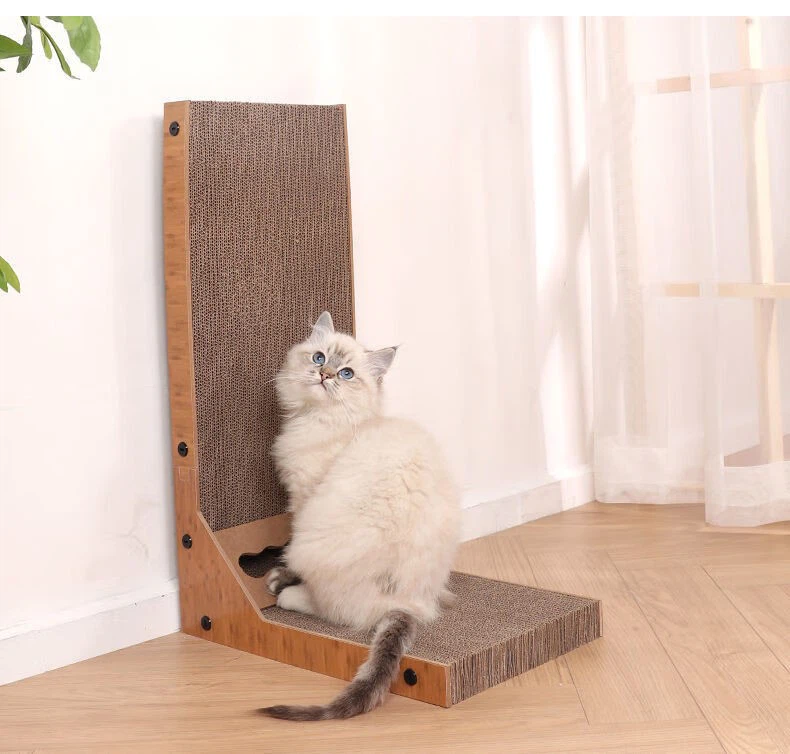
- Interactive Toys: Interactive toys, such as fishing rod - style toys with feathers or bells at the end, are great for engaging cats in active play. The strings on these toys can fray over time, and the attachments may become loose. It's advisable to check these toys regularly, at least once a week. If the string shows signs of fraying or the attachment is about to come off, replace the toy immediately. Usually, interactive toys can last 3 - 4 months with regular use, but this can vary depending on how vigorously your cat plays with them. Convenient Scratchers can also be considered as a type of interactive toy, and they need to be replaced when the scratching surface is completely worn out, which may take 4 - 6 months.
- Chew Toys: Cats have a natural urge to chew, especially kittens. Chew toys are designed to satisfy this urge and also help keep their teeth clean. However, as cats chew on these toys, they can break into small pieces, which pose a choking hazard. Chew toys should be inspected daily. If there are any signs of cracking, splintering, or small pieces coming off, replace the toy right away. In general, chew toys may need to be replaced every 1 - 2 months.
2. Cat's Behavior
- Aggressive Play: Some cats are more aggressive in their play than others. They may bite, scratch, and pounce on toys with great force. If your cat is an aggressive player, toys will wear out much faster. For instance, a cat that loves to shred soft toys with its claws will destroy a plush toy in a matter of weeks. In such cases, you may need to replace toys every 1 - 2 months, depending on the type of toy.
- Selective Play: On the other hand, some cats are more selective about their toys. They may only play with a particular toy occasionally. These toys will last longer. If your cat plays with a toy once or twice a week, you can extend the replacement interval. For example, a soft toy that is only played with sparingly may last 4 - 6 months.
3. Hygiene
- Bacteria and Dirt Buildup: Cat toys can accumulate a significant amount of bacteria, dirt, and saliva over time. This can lead to unpleasant odors and potential health risks for your cat. Soft toys, in particular, can harbor a lot of dirt and bacteria. It's important to wash soft toys regularly, but even with regular washing, they will eventually need to be replaced. As a general rule, soft toys should be replaced every 2 - 3 months to maintain good hygiene.
- Allergens: Some cats may be allergic to certain materials in toys. If you notice that your cat has skin irritations, sneezing, or other allergic reactions after playing with a particular toy, it's best to replace it immediately.
Benefits of Regularly Replacing Cat Toys
1. Keeps Cats Engaged
Cats can get bored easily with the same old toys. By regularly replacing toys, you can keep your cat interested and engaged in play. New toys stimulate their curiosity and hunting instincts, providing them with mental and physical exercise. For example, introducing a new interactive toy can get your cat running, jumping, and pouncing, which is great for its overall health.
2. Prevents Health Risks
As mentioned earlier, worn - out toys can pose health risks. Broken toys can have sharp edges or small parts that your cat may swallow, leading to choking or digestive problems. Regularly replacing toys reduces the likelihood of these risks and ensures your cat's safety.
3. Promotes Dental Health
Chew toys that are in good condition can help keep your cat's teeth clean. New chew toys provide a fresh surface for your cat to chew on, which can help remove plaque and tartar.
Tips for Extending the Lifespan of Cat Toys
1. Rotate Toys
Instead of leaving all the toys out at once, rotate them every few days. This way, your cat will always find the toys interesting as they seem "new" when they are re - introduced. For example, you can have a set of three toys and rotate them every three days.
2. Clean Toys Regularly
Wash soft toys in the washing machine on a gentle cycle with mild detergent. Wipe down hard toys with a damp cloth. This helps remove dirt and bacteria and extends the lifespan of the toys.
3. Store Toys Properly
When not in use, store toys in a clean, dry place. This prevents them from getting damaged or dirty.
Conclusion
In conclusion, the frequency of replacing cat toys depends on several factors, including the type of toy, your cat's behavior, and hygiene. As a general guideline, soft toys should be replaced every 2 - 3 months, interactive toys every 3 - 4 months, and chew toys every 1 - 2 months. However, it's important to regularly inspect toys for signs of wear and tear and replace them as needed.
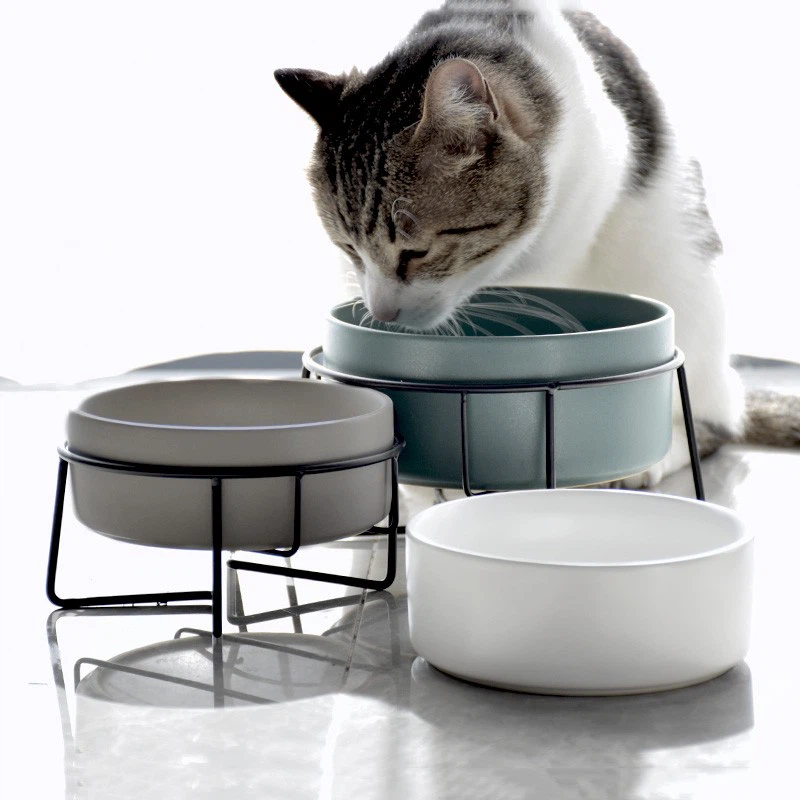
If you're in the market for high - quality cat toys and other pet cat supplies, we are here to serve you. We offer a wide range of products, from Supplier Of Safe Cat Food Bowl to Wholesaler For Safe Cat Food Bowl. Whether you're a pet owner looking for the best toys for your furry friend or a retailer interested in stocking our products, we invite you to contact us for procurement and negotiation. We are committed to providing the best products and services to ensure the health and happiness of your cats.
References
- Overall, K. L. (2013). Clinical Behavioral Medicine for Small Animals. Elsevier Health Sciences.
- Houpt, K. A. (2007). Domestic Animal Behavior For Veterinarians And Animal Scientists. Wiley - Blackwell.