

As a dedicated supplier of baby cat food, I often get asked the question: “How often should I feed baby cat food to my kitten?” It's a crucial query, as proper nutrition is the cornerstone of a kitten's healthy growth and development. In this blog, I'll delve into the factors that determine the feeding frequency for kittens and offer some practical guidelines to ensure your furry friend gets the nourishment they need.
Understanding Kitten Nutritional Needs
Kittens are in a phase of rapid growth and development, which means they have higher energy and nutrient requirements compared to adult cats. Their diet should be rich in protein, fat, vitamins, and minerals to support their growing bones, muscles, and immune system. High - quality baby cat food is formulated to meet these specific needs, providing the essential nutrients in the right proportions.
When looking for the right baby cat food, consider checking out Manufacturer Of High Grade Cat Food With Protein. They produce food that is packed with the protein necessary for a kitten's muscle development.
Factors Affecting Feeding Frequency
Several factors influence how often you should feed your kitten. These include age, weight, activity level, and the type of food you're feeding.

Age
Age is one of the most significant factors. Newborn kittens, up to about 4 weeks old, rely on their mother's milk for nutrition. If the mother is not available, they will need to be fed a special kitten milk replacer every 2 - 3 hours.
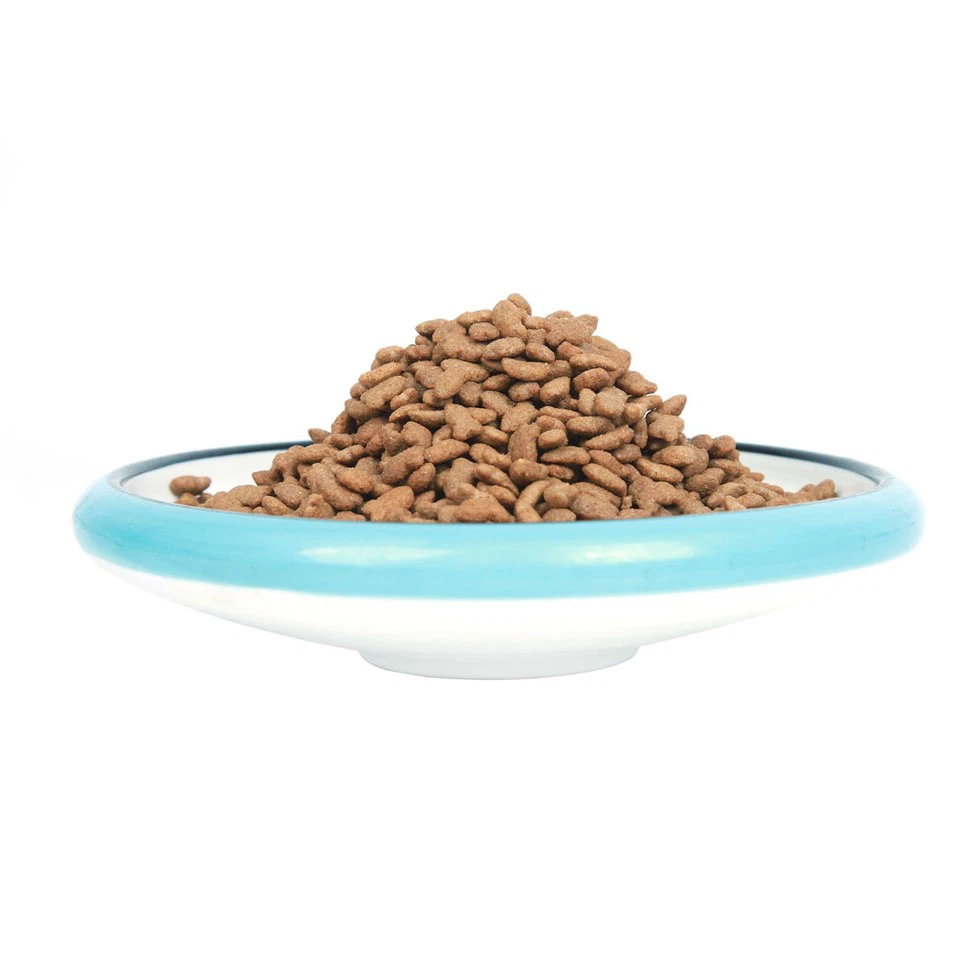
As kittens reach 4 - 6 weeks of age, they can start to transition to solid food. At this stage, they should be fed small amounts of wet or dry kitten food 4 - 6 times a day. You can find a great selection of Dry Cat Food that is suitable for this transitional phase.
From 6 - 12 weeks, kittens are growing rapidly and have a high energy demand. They should be fed 3 - 4 times a day. By 3 - 6 months, you can reduce the feeding frequency to 3 times a day. And once they reach 6 - 12 months, most kittens can be fed twice a day, similar to adult cats.
Weight
A kitten's weight also plays a role in determining feeding frequency. Underweight kittens may need to be fed more often to help them gain weight, while overweight kittens may require fewer feedings and a more controlled diet. If you're unsure about your kitten's weight and feeding needs, it's always a good idea to consult a veterinarian.
Activity Level
Kittens that are more active burn more calories and may need to be fed more frequently. Playful and energetic kittens will benefit from having access to food more often to keep their energy levels up. On the other hand, less active kittens may be satisfied with fewer feedings.
Type of Food
The type of food you're feeding your kitten can also affect how often they need to eat. Wet food is more moisture - rich and may be digested more quickly, so kittens may need to be fed more often when on a wet - food diet. Dry food, on the other hand, is more calorie - dense and can be left out for longer periods, allowing kittens to graze throughout the day if desired. However, it's important to monitor their intake to prevent overeating.
Practical Feeding Guidelines
Based on the factors above, here are some general feeding guidelines for kittens:
0 - 4 Weeks
As mentioned earlier, if the mother is not available, feed a kitten milk replacer every 2 - 3 hours. Use a small bottle or syringe designed for kittens to ensure they get the right amount of milk.
4 - 6 Weeks
Start introducing wet or dry kitten food. Offer small amounts 4 - 6 times a day. You can mix the dry food with a little water or kitten milk replacer to make it easier for them to eat.
6 - 12 Weeks
Feed 3 - 4 times a day. Make sure to provide a balanced diet that meets their nutritional needs. You can find a variety of high - quality kitten foods from Wholesalers Of Pellet Cat Food.
3 - 6 Months
Reduce the feeding frequency to 3 times a day. Monitor your kitten's weight and adjust the amount of food accordingly.
6 - 12 Months
Feed twice a day. By this time, your kitten is approaching adulthood, and their nutritional needs are starting to stabilize.
Tips for Feeding Kittens
- Consistency is key: Try to feed your kitten at the same times each day. This helps regulate their digestive system and makes it easier for them to anticipate mealtime.
- Portion control: Use the feeding guidelines on the cat food packaging as a starting point, but adjust the portions based on your kitten's individual needs. Overfeeding can lead to obesity, which can cause health problems later in life.
- Provide fresh water: Always make sure your kitten has access to clean, fresh water. Water is essential for their overall health and helps with digestion.
- Monitor their behavior: Pay attention to how your kitten behaves during and after meals. If they seem overly hungry or are leaving a lot of food, you may need to adjust the amount or frequency of feeding.
Conclusion
Feeding your kitten the right amount of baby cat food at the appropriate frequency is essential for their health and well - being. By considering factors such as age, weight, activity level, and the type of food, you can develop a feeding schedule that meets your kitten's unique needs.
If you're in the market for high - quality baby cat food, whether you're a pet owner or a business looking to purchase in bulk, we're here to help. We offer a wide range of products that are formulated to provide the best nutrition for kittens. Contact us to start a conversation about your procurement needs and let's work together to ensure your kittens get the nourishment they deserve.
References
- "The Cat: Its Behavior, Nutrition, and Health." Linda P. Case, M.S., Ph.D., Linda A. Daristotle, M.S., D.V.M., et al.
- "Feline Nutrition: From Basic Science to Clinical Practice." John P. Frazier, D.V.M., Ph.D., and Kelly S. Swanson, Ph.D.