

Determining how often to change your pet cat's food based on age is a crucial aspect of feline care. As a pet cat supplies provider, I've witnessed firsthand the impact of proper nutrition on cats' health and well - being at different life stages. In this blog, I'll delve into the science behind cat nutrition and offer practical advice on food changes according to your cat's age.
Kittenhood (0 - 12 months)
Kittens are in a phase of rapid growth and development. Their nutritional requirements are significantly different from adult cats. They need a diet rich in protein, fat, vitamins, and minerals to support their growing bones, muscles, and organs. High - quality kitten food is formulated to meet these specific needs.

During the first few weeks of life, kittens rely on their mother's milk. As they reach around 4 - 6 weeks, they can start to be introduced to solid food. At this stage, it's essential to choose a kitten - specific formula. This specialized food contains higher levels of protein (usually around 30 - 40%) and fat (about 20 - 30%) compared to adult cat food.
For the first 6 months, it's generally not advisable to change the kitten food frequently. Kittens have sensitive digestive systems, and sudden food changes can lead to gastrointestinal upset, such as vomiting and diarrhea. Stick with a reliable brand and formula that has been well - tolerated by your kitten.
Around 6 - 12 months, as your kitten starts to transition into adulthood, you can gradually introduce adult cat food. This transition should be slow, over a period of 7 - 10 days. Start by mixing a small amount of adult food with the kitten food and gradually increase the proportion of adult food. This slow transition helps your kitten's digestive system adapt to the new diet. You can find more information about suitable food bowls for kittens on our Wholesaler For Safe Cat Food Bowl page.
Adulthood (1 - 7 years)
Adult cats have relatively stable nutritional needs compared to kittens. A balanced diet for adult cats typically contains around 25 - 30% protein and 15 - 20% fat. At this stage, you don't need to change your cat's food very often if it is maintaining a healthy weight, has a shiny coat, and normal bowel movements.
However, there are some situations where a food change might be necessary. For example, if your cat has developed a food allergy or intolerance, you'll need to switch to a hypoallergenic or limited - ingredient diet. Also, if your cat becomes overweight or underweight, you may need to adjust the calorie content of the food.
If you do decide to change your adult cat's food, follow the same slow transition process as for kittens. A sudden change in diet can cause stress to your cat's digestive system. It's also important to note that different brands and formulas may have slightly different nutrient profiles, so it's a good idea to consult with your veterinarian before making a significant food change.
Senior Years (7+ years)
As cats enter their senior years, their metabolism slows down, and they may be more prone to certain health issues such as kidney disease, arthritis, and dental problems. Senior cat food is formulated to address these specific concerns. It usually has lower calorie content to prevent weight gain, higher levels of omega - 3 fatty acids for joint health, and easily digestible ingredients.
Around the age of 7, you can start to transition your cat to senior food. Just like with the kitten - to - adult transition, do this gradually over 7 - 10 days. Senior cats may also benefit from wet food, as it can be easier to chew and swallow, especially if they have dental problems.
If your senior cat has pre - existing health conditions, such as kidney disease, your veterinarian may recommend a prescription diet. These diets are specially formulated to manage the specific health issue and should be followed strictly.
Special Considerations
In addition to age, other factors can influence how often you should change your cat's food. For example, if your cat has a very active lifestyle, it may need a higher - calorie diet compared to a sedentary cat. Also, the quality of the food matters. High - quality cat food made from real meat and natural ingredients is generally better for your cat's health.
When choosing cat food, look for products that meet the Association of American Feed Control Officials (AAFCO) standards. These standards ensure that the food provides all the essential nutrients your cat needs at different life stages.
Another important aspect is the feeding environment. Using a suitable food bowl can also impact your cat's eating experience. Our Wholesaler For Safe Cat Food Bowl offers a variety of options that are safe and comfortable for your cat.
The Role of Pet Cat Supplies in Cat Nutrition
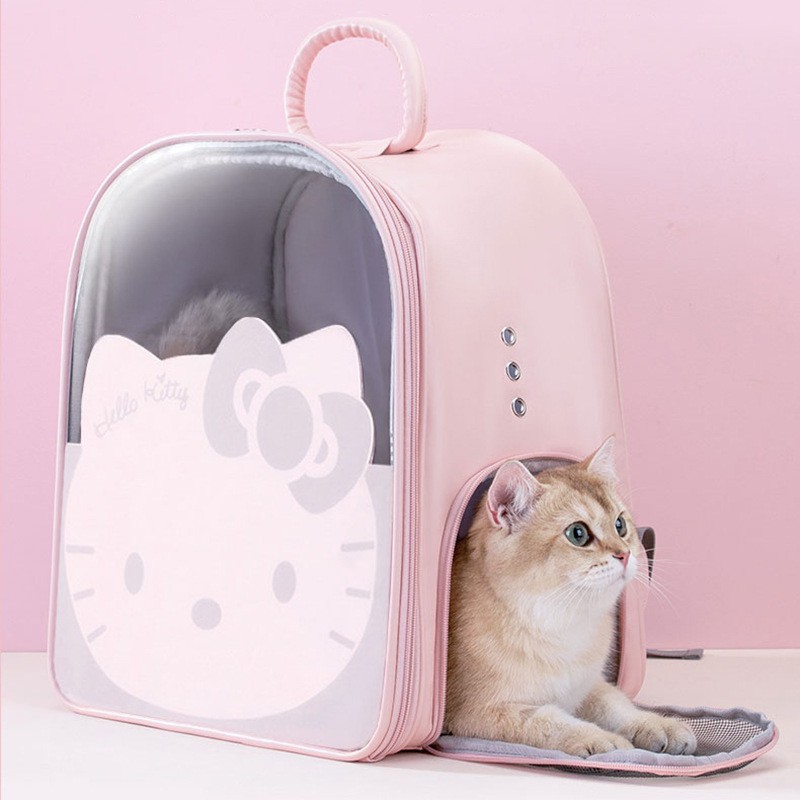
As a pet cat supplies provider, we understand that proper nutrition goes hand in hand with the right supplies. For example, a Multifunctional Cat Bag can be useful when you need to take your cat to the veterinarian for regular check - ups, which are essential for monitoring your cat's health and nutritional needs.
Our Supplier Of Multifunctional Cat Bag offers high - quality bags that are designed with your cat's comfort and safety in mind. Whether you're traveling with your cat or just taking it to the vet, a good cat bag can make the experience less stressful for both you and your pet.
Conclusion
In conclusion, the frequency of changing your pet cat's food depends largely on its age. Kittens need a stable diet during their rapid growth phase and a slow transition to adult food. Adult cats can have a relatively consistent diet unless there are specific health or weight issues. Senior cats benefit from a diet tailored to their changing needs.
If you have any questions about cat nutrition or are interested in our pet cat supplies, we encourage you to reach out for a procurement discussion. We're here to help you provide the best care for your feline friends.
References
- "The Cat: Clinical Medicine and Management" by Susan Little
- "Feline Nutrition and Dietetics" by Linda P. Case