

Hey there, fellow cat lovers! As a cat food supplier, I get this question all the time: “How much cat food should I feed my cat per day?” It's a vital question because getting the feeding right is key to your cat's health and happiness.
Let's first understand that there isn't a one - size - fits - all answer. A lot of factors come into play when determining how much to feed your feline friend.
Factors Affecting Cat's Food Intake
Age
Kittens are like little energy bombs. They're growing rapidly, so they need more calories compared to adult cats. A young kitten (around 2 - 4 months old) may need to eat every 3 - 4 hours. As they get a bit older, say 4 - 6 months, they can start to eat slightly less frequently, but still more in quantity compared to an adult cat. Kittens need high - quality protein to support their growth.
Adult cats, on the other hand, have a more stable energy requirement. Once a cat reaches around 1 year old, its metabolism slows down a bit, and so does its calorie need. Senior cats, typically around 7 years and older, might have special dietary needs as their bodies are not as efficient at processing food. They may need fewer calories, especially if they're less active, but they also might need more easily digestible food.
Activity Level
Just like us humans, the more active your cat is, the more calories it will burn. A cat that spends a lot of time playing, climbing, and chasing toys will need more food than a couch - potato cat that sleeps most of the day. For example, an outdoor cat that hunts and explores all day has a much higher energy demand than an indoor cat that lazes around. If you have an active cat, you might notice it getting hungry more often, and that's a sign it needs a bit more food.
Weight
Your cat's current weight is a significant factor. If your cat is overweight, you'll need to cut back on the food and make sure it gets more exercise. On the flip side, if your cat is underweight, you may need to increase the amount of food, but also make sure to choose a high - calorie and nutritious option. You can consult your vet to determine the ideal weight for your cat based on its breed, age, and body structure.
Breed
Different cat breeds have different metabolic rates and body types. For instance, the Maine Coon is a large - breed cat with a relatively high metabolism. They tend to be more active and need more food to maintain their size and energy levels. In contrast, breeds like the Persian, which are known for being more sedentary, may need less food. Some breeds are also more prone to certain health issues, and their diet should be adjusted accordingly.
Calculating the Right Amount of Food
Now that we know the factors, how do we actually figure out how much to feed? Most cat food packages come with feeding guidelines. These guidelines are usually based on the cat's weight. For example, it might say to feed 1/4 cup of dry food per 5 pounds of body weight per day. But remember, these are just general guidelines.
Let's take a look at dry and wet cat food separately.
Dry Cat Food
Dry cat food is convenient and has a longer shelf - life. It's also great for keeping your cat's teeth clean. When it comes to dry food, you can use the feeding guidelines on the package as a starting point. But if your cat is very active or has a high metabolism, you may need to add a little bit more. For example, if your 10 - pound, active adult cat's package recommends 1/2 cup of dry food per day, you might want to increase that to 5/8 cup.
Keep an eye on your cat's weight and body condition. You should be able to feel its ribs without having to press too hard. If you can't feel the ribs at all, your cat might be overweight, and you should cut back on the food.
If you're interested in high - quality dry cat food, you can check out our Pellet Cat Food Factory. We produce a variety of pellet cat food that is nutritionally balanced for different life stages and needs.
Wet Cat Food
Wet cat food is more moisture - rich, which is great for cats that don't drink enough water. It can also be more palatable for some cats. Wet cat food usually comes in cans or pouches. The feeding amounts also vary based on the cat's weight. A 5 - ounce can of wet food might be suitable for a small cat, while a larger cat may need 8 - 10 ounces per day.
Mixing wet and dry food can be a good option. You can give your cat some dry food in the morning and a can of wet food in the evening. This way, your cat gets the benefits of both. We also have a great selection of wet cat food from Manufacturers Concentric Circle Shape Cat Food.
Special Cases
Sometimes, your cat may have special health conditions that affect its food intake. If your cat has diabetes, it will need a diet that helps regulate its blood sugar levels. Usually, this means a diet high in fiber and low in carbohydrates. Cats with kidney disease may need a special renal diet that is lower in protein and phosphorus.

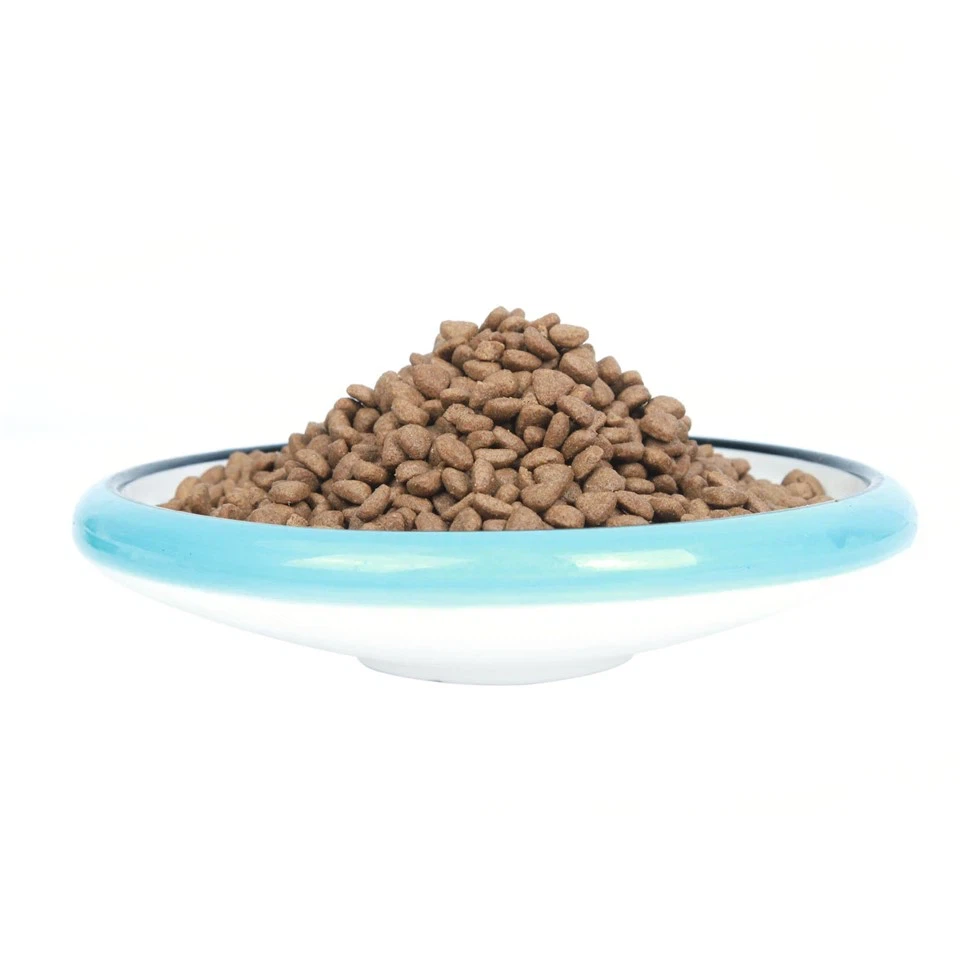
If your cat has a sensitive stomach, you'll need to choose a food that is easy to digest. Look for foods with limited ingredients and no artificial additives. We also supply Suppliers Of Baked Cat Food, which is a great option for cats with sensitive stomachs as it is often made with natural ingredients and gentle on the digestive system.
Monitoring Your Cat's Health
Once you've figured out how much to feed your cat, it's important to monitor its health. Keep an eye on its weight, energy level, and coat condition. If your cat starts to gain or lose weight unexpectedly, it might be a sign that you need to adjust its diet.
Also, pay attention to its litter box habits. Changes in urination or defecation can indicate health problems. If you notice anything unusual, it's always a good idea to consult your veterinarian.
Conclusion
Figuring out how much to feed your cat per day is a process that requires some trial and error. You need to take into account your cat's age, activity level, weight, breed, and any special health conditions. Use the feeding guidelines on the cat food packages as a starting point, but be prepared to make adjustments based on your cat's individual needs.
As a cat food supplier, we're committed to providing high - quality cat food that meets your cat's nutritional needs. Whether you're looking for dry, wet, or specialized cat food, we've got you covered. If you're interested in starting a business relationship with us or want to learn more about our products, don't hesitate to reach out. Let's ensure your cats get the best food possible for a healthy and happy life!
References
- Hand, M. S., Thatcher, C. D., Remillard, R. L., & Roudebush, P. (Eds.). (2010). Small Animal Clinical Nutrition. Mark Morris Institute.
- Case, L. P., Daristotle, L. A., Hayek, M. G., & Canfield, P. J. (2011). The Science of Animal Nutrition. Cengage Learning.