

Hey there! I'm a supplier of safe raw egg yolks, and I've been in this business for quite some time. One question I get asked a lot is, "How does the safety of raw egg yolk depend on the storage environment?" Well, let's dive right into it.
Temperature: The Game - Changer
Temperature is probably the most crucial factor when it comes to storing raw egg yolks. You see, bacteria love warm and cozy environments. When the temperature is between 40°F (4°C) and 140°F (60°C), it's like a party zone for bacteria, especially Salmonella, which is a common concern with raw eggs.
If you store raw egg yolks at room temperature, say around 70°F (21°C), bacteria can start multiplying like crazy. In just a couple of hours, the number of bacteria can increase to a level that poses a real health risk. So, it's a no - brainer that you should keep raw egg yolks in the fridge.
The ideal temperature for storing raw egg yolks in the fridge is below 40°F (4°C). At this temperature, the growth of bacteria slows down significantly. It's not that the bacteria die, but they become kind of lazy and don't reproduce as fast. This gives you a bit of a buffer in terms of the shelf - life of the egg yolks.
But here's the thing, even in the fridge, you can't store raw egg yolks indefinitely. Over time, they will still start to degrade. Usually, raw egg yolks can last about 2 - 4 days in the fridge. If you want to store them for a longer period, freezing is an option. When you freeze raw egg yolks, the bacteria are put into a sort of hibernation. They can't grow or multiply because the water in the egg yolk is frozen.
Humidity: A Hidden Factor
Humidity is another aspect of the storage environment that people often overlook. High humidity can create a moist environment around the egg yolks. This moisture can be a breeding ground for mold and other fungi.
In a fridge, the humidity is usually relatively low, which is good for storing raw egg yolks. But if the fridge is overcrowded or if there are leaky containers, the humidity can increase. You want to make sure that the storage area for your egg yolks is dry.
If you're storing egg yolks in a freezer, humidity can also be an issue. Frost can build up on the containers, and when it thaws, it can create a wet environment. To prevent this, make sure your freezer is defrosted regularly and that you use air - tight containers for storing the egg yolks.
Light: The Silent Enemy
Light, especially sunlight and fluorescent light, can have a negative impact on the quality and safety of raw egg yolks. Light can cause a chemical reaction in the egg yolks, which can lead to the breakdown of vitamins and other nutrients. It can also make the egg yolks develop an off - flavor.
When you store raw egg yolks, keep them in a dark place. In the fridge, this means putting them in a drawer or at the back where they're not exposed to light. If you're using a clear container to store the egg yolks, consider wrapping it in aluminum foil or storing it in a brown paper bag.
Air Exposure: Keep It to a Minimum
Air exposure is also important. When raw egg yolks are exposed to air, they can oxidize. Oxidation can change the taste and texture of the egg yolks and can also make them more susceptible to bacterial growth.
To minimize air exposure, use air - tight containers. You can find all sorts of containers in the market, from plastic to glass. Make sure the lid fits tightly so that no air can get in. If you're using a freezer bag, squeeze out as much air as possible before sealing it.
The Impact on My Business
As a safe raw egg yolk supplier, I have to pay close attention to all these storage factors. I make sure that the egg yolks are stored at the right temperature from the moment they're collected from the hens until they reach the customers.
We use state - of - the - art refrigeration systems to keep the egg yolks at the optimal temperature. Our storage facilities are also designed to control humidity and light. And we use high - quality air - tight containers to minimize air exposure.
But it's not just about storing the egg yolks on our end. We also educate our customers about the proper storage of our products. We include instructions on the packaging about how to store the egg yolks once they've purchased them.
Related Products
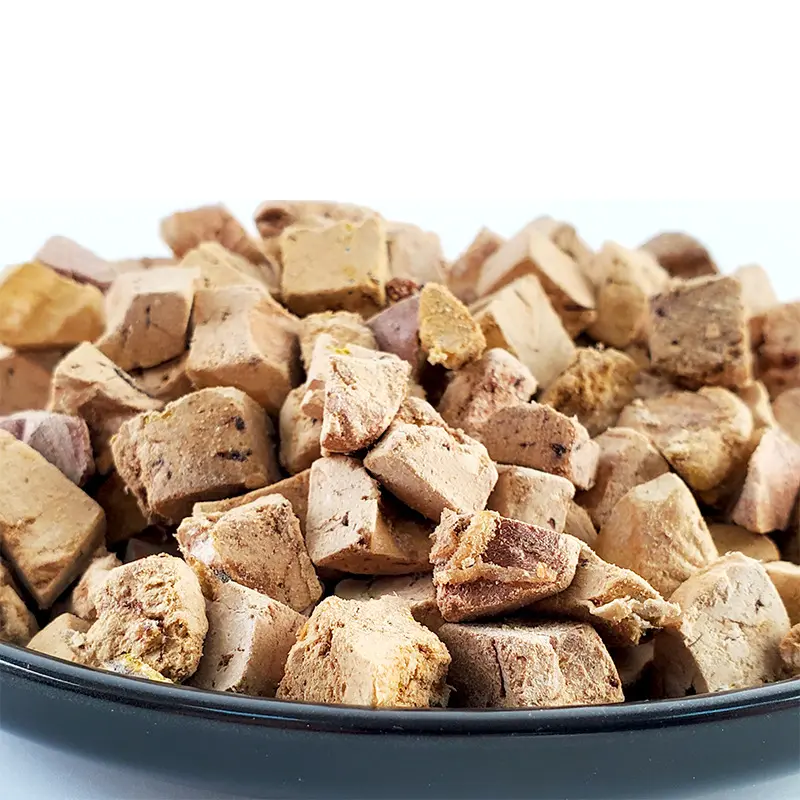
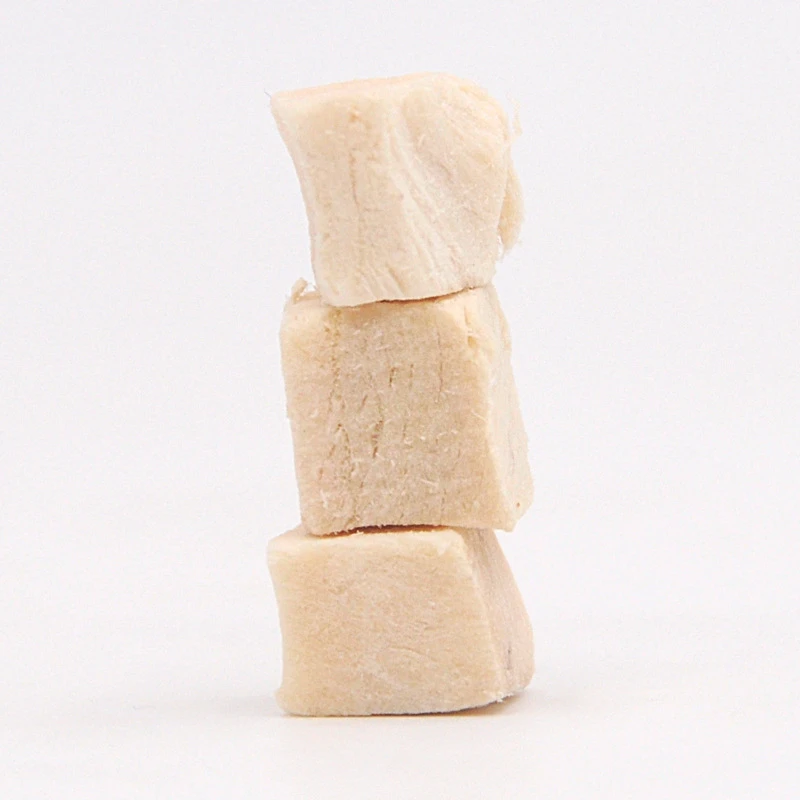
If you're interested in other pet food products, we also offer Freeze - dried Chicken Cubes and Freeze - dried Chicken Liver. These products are also carefully stored and processed to ensure their safety and quality. And of course, our Yolk Granules are a great addition to your pet's diet.
Let's Talk Business
If you're a pet food manufacturer, a retailer, or just someone looking for high - quality safe raw egg yolks, I'd love to talk to you. Whether you have questions about storage, our products, or you're interested in placing an order, don't hesitate to reach out. We're always happy to have a chat and see how we can work together.
References
- "Egg Safety Center: Storage and Handling of Eggs." Egg Safety Center.
- "Food Safety and Inspection Service: Safe Handling of Eggs." U.S. Department of Agriculture.