

In the realm of food and pet - food preservation, a multitude of methods have been developed over the years. As a freeze - drying supplier, I am often asked about how freeze - drying stacks up against other preservation techniques. In this blog, we'll delve deep into a comprehensive comparison of freeze - drying with other common preservation methods.
Traditional Preservation Methods
Canning
Canning is a well - known preservation method that has been around for centuries. It involves heating food in sealed containers to kill microorganisms and create a vacuum, preventing further contamination. One of the significant advantages of canning is its long shelf - life. Canned goods can last for several years if stored properly. For instance, canned vegetables can sit on a pantry shelf for up to five years.
However, canned foods often suffer from a loss of texture and nutritional value during the heating process. High temperatures can break down vitamins and minerals, and the softening of food can result in a less - appealing mouthfeel. Additionally, the cans themselves can pose environmental concerns, as they are typically made of metal and require energy - intensive production processes.
Refrigeration
Refrigeration is a widely used method for short - term preservation. It works by slowing down the growth of bacteria, yeasts, and molds by keeping food at low temperatures, usually between 0°C and 8°C. The advantage of refrigeration is that it maintains the general appearance and texture of food relatively well. For example, fresh fruits and vegetables can be moderately preserved in the refrigerator, and their natural flavors are retained to a large extent.
Nonetheless, refrigeration has its limitations. It only provides short - term preservation, and food still has a limited shelf - life. The equipment also consumes a significant amount of electricity, contributing to high energy costs. Moreover, if there is a power outage, the stored food can quickly spoil.
Freezing
Freezing is similar to refrigeration but at much lower temperatures, typically below - 18°C. This method stops the growth of microorganisms almost completely, allowing food to be stored for months or even years. Frozen foods can also maintain a relatively good nutritional profile compared to some other preservation methods.
Yet, freezing has drawbacks. The formation of ice crystals can damage the cell structure of food, leading to a loss of texture. When thawed, many frozen foods, like frozen berries, can become mushy. Additionally, like refrigeration, freezing requires a continuous supply of electricity, and power outages can lead to spoilage.
How Freeze - Drying Compares
Nutritional Preservation
One of the most significant advantages of freeze - drying is its ability to preserve nutrients. The process involves freezing the product and then removing the water through sublimation, a process where ice turns directly into vapor without passing through the liquid phase. Since the process occurs at low temperatures, the chemical and biological reactions that cause nutrient degradation are minimized.
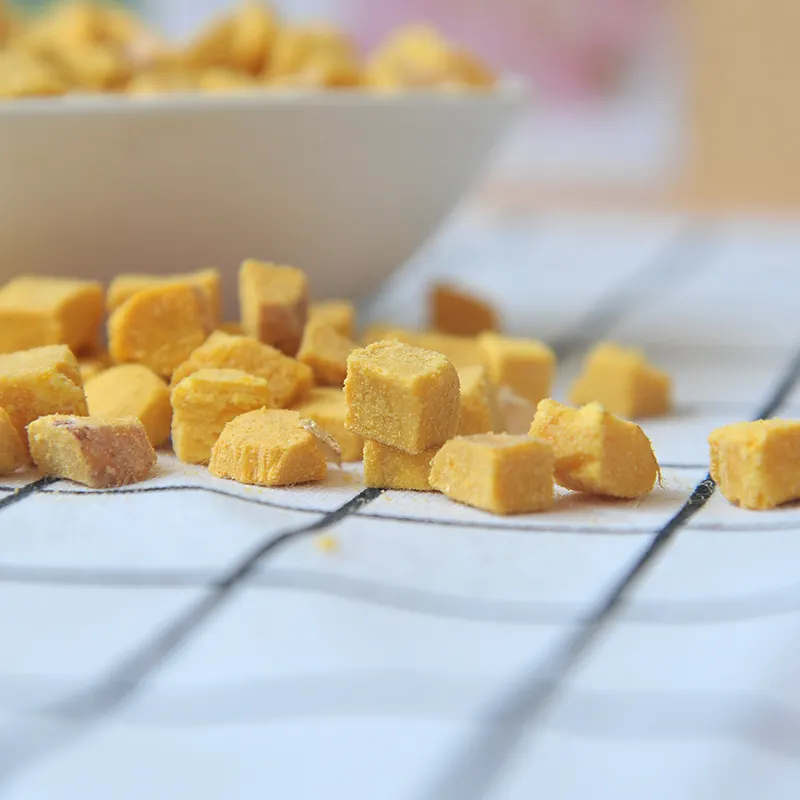
For example, Whole Egg Yolk preserved through freeze - drying retains a high percentage of its original vitamins, minerals, and proteins. Studies have shown that freeze - dried fruits and vegetables can retain up to 97% of their original nutritional value. In contrast, canned and heat - treated foods can lose up to 50% of their vitamins during processing.
Texture and Flavor
Freeze - dried products maintain their original shape, size, and texture much better than those preserved by other methods. The sublimation process removes water without causing the collapse of the food's structure. As a result, when rehydrated, freeze - dried foods can regain their original texture almost completely. For instance, freeze - dried mushrooms can be rehydrated and used in cooking, and they will have a texture very similar to fresh mushrooms.
In terms of flavor, freeze - drying locks in the natural taste of the product. The low - temperature process prevents the formation of off - flavors that can occur during high - temperature preservation methods such as canning. Freeze - dried products often have a more intense and natural flavor compared to their canned or frozen counterparts.
Shelf - Life
Freeze - dried products have an impressively long shelf - life. Without water, the growth of microorganisms is inhibited, and oxidative reactions are slowed down. Many freeze - dried foods can be stored for 20 - 30 years if kept in proper storage conditions, which is far longer than refrigerated or frozen foods and comparable to some canned goods in terms of longevity.
Energy Consumption
Unlike refrigeration and freezing, which require continuous energy to maintain low temperatures, freeze - drying is a one - time energy - intensive process. Once the product is dried, it can be stored at room temperature without the need for any additional energy input. This makes freeze - drying a more energy - efficient option in the long run, especially for products that need to be stored for extended periods.
Applications in the Pet - Food Industry
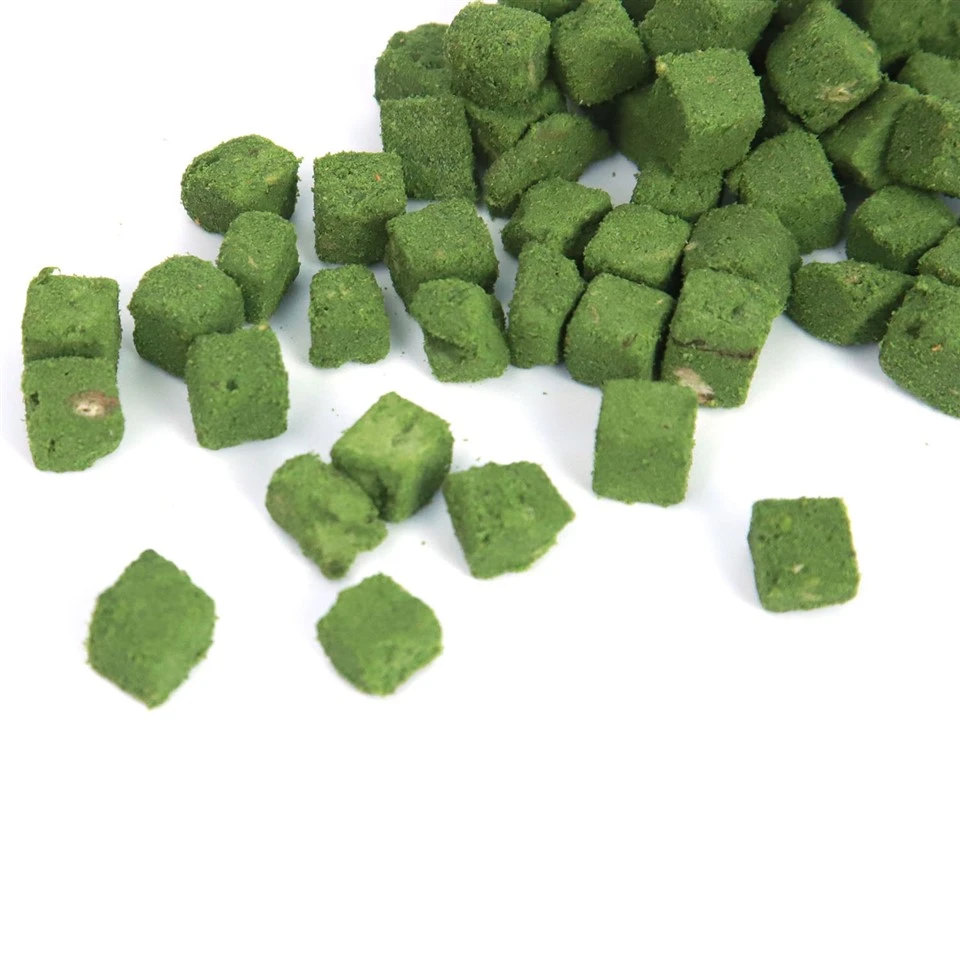
In the pet - food industry, freeze - drying has gained significant popularity. Manufacturer Of Matcha Tofu Cat Litter and Catgrass Gives Birth To Flesh are prime examples of products where freeze - drying offers unique benefits. Freeze - dried pet foods are often more palatable to animals due to their retained flavor and texture. They also provide a more nutrient - rich option for pets, which is crucial for their health and well - being.
Role as a Freeze - Drying Supplier
As a freeze - drying supplier, we are committed to providing high - quality freeze - dried products. Our state - of - the - art facilities ensure that the freeze - drying process is carried out with precision, maximizing the retention of nutrients, flavor, and texture. We understand the specific needs of our clients, whether they are in the human food industry or the pet - food sector.
We work closely with farmers and producers to source the freshest ingredients, which are then processed using the latest freeze - drying technology. Our products are not only of superior quality but also comply with all relevant safety and quality standards.
Conclusion and Call to Action
In conclusion, freeze - drying offers numerous advantages over other preservation methods in terms of nutritional value, texture, flavor, shelf - life, and energy consumption. It is a versatile and innovative solution that is well - suited for a wide range of industries, especially the food and pet - food industries.
If you are interested in exploring the benefits of freeze - dried products for your business, we encourage you to reach out to us for a detailed discussion. Whether you are looking for high - quality ingredients for your food products or advanced pet - food solutions, we can provide the expertise and products you need. Contact us today to start a conversation about how our freeze - drying services can meet your specific requirements.
References
- Gorton, T. R., & Banks, J. G. (2008). The Technology of Fish Sauce Production. Blackwell Publishing.
- Heldman, D. R., & Hartel, R. W. (1997). Principles of Food Processing. Aspen Publishers.
- King, C. J. (1971). Freeze Drying: A Literature Review. Journal of Food Science, 36(1), 109 - 125.
- Rahman, M. S. (2007). Handbook of Food Preservation. CRC Press.