

Hey there, fellow cat lovers! As a cat food supplier, I've seen firsthand how the right cat food can make a world of difference – especially when it comes to your cat's coat. In this blog, I'm gonna break down how different aspects of cat food impact your furry friend's fur, so you can make the best choices for their health and appearance.
Let's start with the basics. A cat's coat is not just for looks; it's a vital part of their overall well - being. A healthy coat acts as a barrier against the elements, helps regulate body temperature, and can even be an indicator of their internal health. So, what in cat food can influence this important feature?
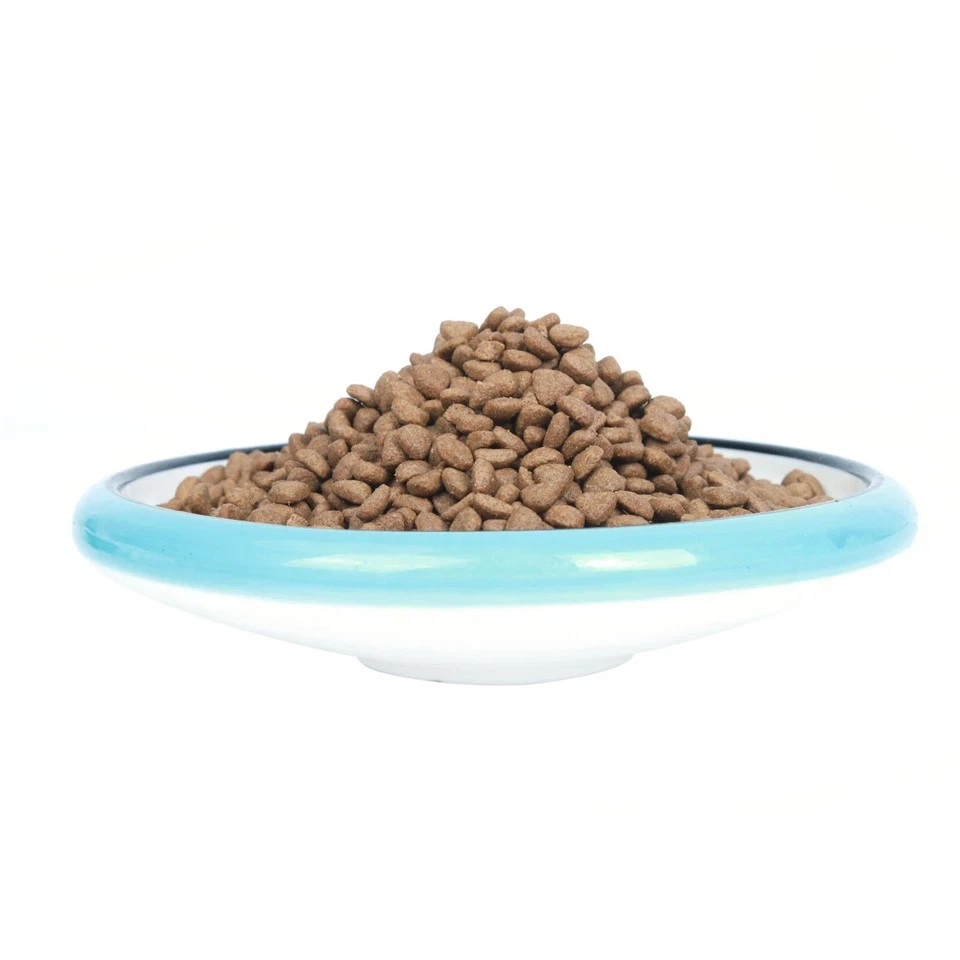

Protein: The Building Block of a Shiny Coat
Protein is king when it comes to your cat's diet. Cats are obligate carnivores, which means they need a high - protein diet to thrive. Proteins are made up of amino acids, and some of these are essential for maintaining a healthy coat. For example, taurine is an amino acid that's crucial for cats. It helps with skin health and the production of sebum, an oily substance that keeps the coat shiny and waterproof.
When your cat eats high - quality protein sources like chicken, fish, or beef, their body can use these proteins to build and repair skin cells and hair follicles. This results in a coat that's soft, smooth, and less likely to shed excessively. On the other hand, if your cat's diet is low in protein, you might notice their coat looking dull, dry, and brittle.
As a cat food supplier, I always recommend looking for cat foods that list a high - quality animal protein as the first ingredient. Check out our Manufacturers Of Natural Healthy Cat Food for options that are rich in the proteins your cat needs.
Fats: Keeping the Coat Supple
Fats are another essential component of a cat's diet, and they play a big role in coat health. Omega - 3 and omega - 6 fatty acids are particularly important. These fatty acids help reduce inflammation in the skin, which can lead to a healthier coat. They also add moisture to the fur, making it less prone to dryness and flakiness.
Omega - 3 fatty acids, in particular, are great for reducing itching and scratching. If your cat has a lot of skin irritation, it could be a sign that their diet is lacking in these healthy fats. Fish oil is a common source of omega - 3 fatty acids, and many high - quality cat foods include it as an ingredient.
At our Concentric Circle Shape Cat Food Factory, we understand the importance of fats in cat food. That's why our products are formulated to include the right balance of omega - 3 and omega - 6 fatty acids to keep your cat's coat in top condition.
Vitamins and Minerals: The Hidden Heroes
Vitamins and minerals are like the secret sauce for a healthy cat coat. Vitamin A, for example, is essential for maintaining the health of the skin and hair. It helps with cell growth and repair, which is crucial for a shiny and lustrous coat. Vitamin E is an antioxidant that protects the skin from damage caused by free radicals. It also works with vitamin A to keep the coat healthy.
Minerals like zinc and selenium are also important. Zinc helps with the production of new skin cells and can improve the strength of the hair. Selenium is an antioxidant that works with vitamin E to protect the skin from oxidative stress.
When you're choosing cat food, look for products that are fortified with essential vitamins and minerals. Our Supplier Of Concentric Circle Shape Cat Food offers a range of cat foods that are packed with these important nutrients to support your cat's coat health.
Hydration: Don't Forget the Water
Water is often overlooked when it comes to coat health, but it's just as important as the food your cat eats. A well - hydrated cat will have a healthier coat because water helps flush out toxins from the body and keeps the skin and fur moist. Dehydration can lead to dry, itchy skin and a dull coat.
Cats don't always drink enough water on their own, especially if they're used to eating dry cat food. That's why it's a good idea to incorporate wet cat food into their diet. Wet cat food has a high moisture content, which can help keep your cat hydrated. You can also make sure there's always fresh water available for your cat to drink.
Allergies and Sensitivities
Sometimes, a cat's coat problems can be caused by food allergies or sensitivities. If your cat is allergic to a certain ingredient in their food, it can lead to skin irritation, itching, and hair loss. Common allergens in cat food include grains, dairy, and certain proteins.
If you suspect your cat has a food allergy, it's important to work with your veterinarian to identify the allergen. They may recommend a hypoallergenic diet or a food trial to determine what's causing the problem. As a cat food supplier, we offer a variety of hypoallergenic cat food options that can help if your cat has sensitivities.
The Impact of Age and Health
A cat's age and overall health can also affect their coat. Kittens and senior cats may have different nutritional needs. Kittens need a diet that's high in protein and calories to support their growth and development. This includes nutrients that will help their coat start off on the right foot.
Senior cats, on the other hand, may have a harder time digesting certain foods. They may also be more prone to health issues like kidney disease, which can impact their coat. A diet that's tailored to their specific needs can help keep their coat looking good as they age.
Choosing the Right Cat Food
With so many cat food options out there, it can be overwhelming to choose the right one for your cat's coat. Here are some tips to help you make the best decision:
- Read the labels: Look for high - quality ingredients, a good balance of proteins, fats, vitamins, and minerals, and avoid artificial colors, flavors, and preservatives.
- Consider your cat's age, health, and lifestyle: Kittens, adult cats, and senior cats have different nutritional needs. If your cat is very active or has health issues, you may need to choose a specialized diet.
- Look for products from reputable manufacturers: As a cat food supplier, I can tell you that not all cat foods are created equal. Choose brands that have a good reputation for quality and safety.
Conclusion
In conclusion, your cat's diet has a huge impact on their coat. By choosing the right cat food that's rich in proteins, fats, vitamins, and minerals, you can help your cat have a shiny, healthy coat. At our company, we're committed to providing high - quality cat food options that support your cat's overall health, including their coat.
If you're interested in learning more about our cat food products or want to start a conversation about purchasing, we'd love to hear from you. Whether you're a pet owner looking for the best food for your furry friend or a retailer interested in stocking our products, reach out to us for more information. Let's work together to keep your cats looking and feeling their best!
References
- "The Cat: Clinical Medicine and Management" by Susan Little
- "Nutrition for Cats" by Linda P. Case