

Transitioning a baby cat to a new food is a crucial process that requires careful planning and consideration. As a supplier of high - quality baby cat food, I understand the concerns that cat owners face during this transition. In this blog, I will share some effective strategies to help you smoothly transition your baby cat to a new diet.
Understanding the Importance of a Gradual Transition
Kittens have sensitive digestive systems. Abruptly changing their food can lead to various digestive issues such as diarrhea, vomiting, and loss of appetite. A gradual transition allows their digestive tract to adapt to the new food gradually. Typically, a transition period of about 7 - 10 days is recommended.
Assessing Your Kitten's Current Diet
Before you start the transition, it's essential to understand what your kitten is currently eating. This includes the type of food (dry, wet, or a combination), the brand, and the ingredients. If your kitten has been on a specific diet for a long time, it might be more resistant to change. For example, if your kitten has been eating Coarse Cat Food for a while, you need to take extra care during the transition.
Choosing the Right New Food
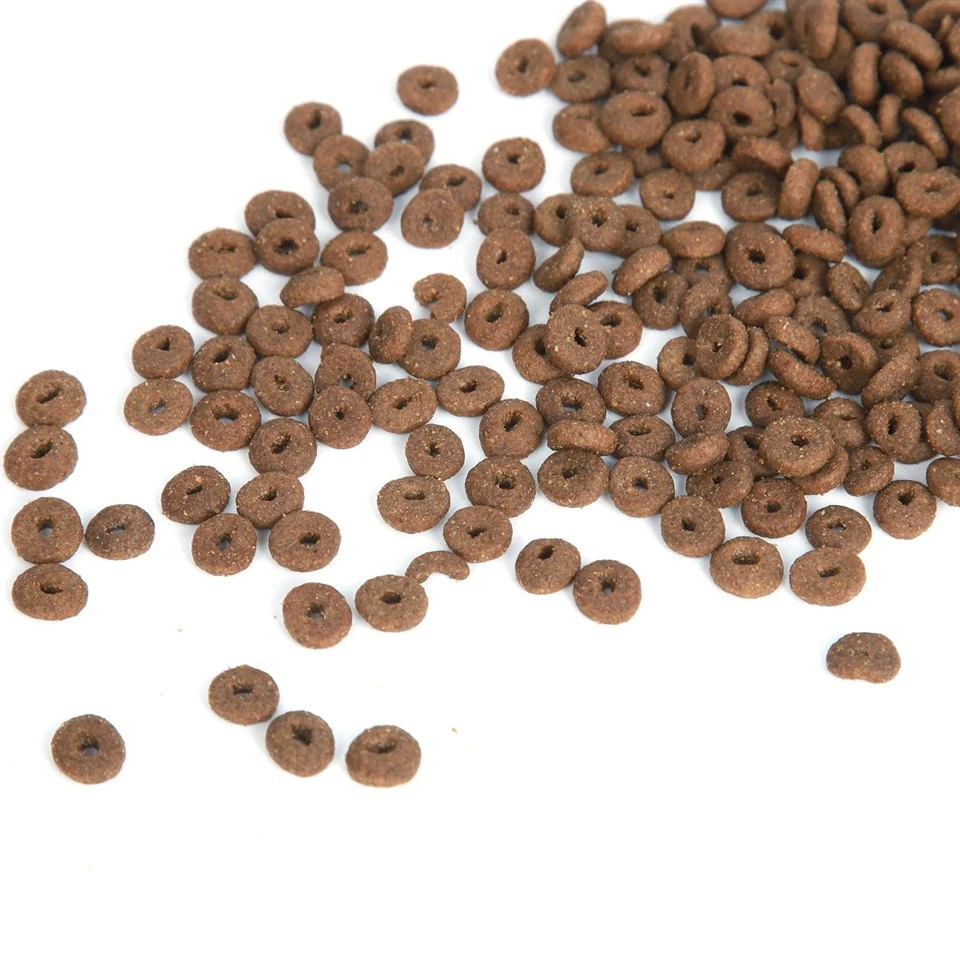
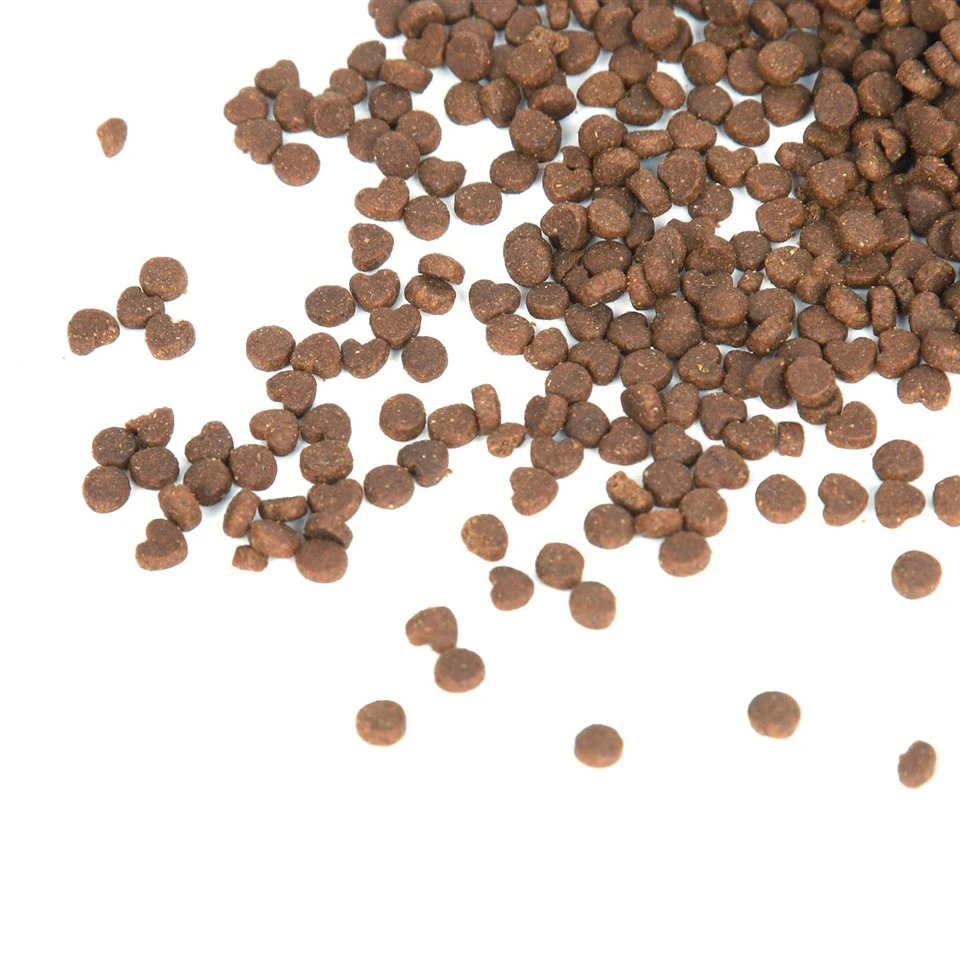
As a Supplier Of Coarse Cat Food, I can attest to the importance of selecting high - quality food for your kitten. Look for a food that is specifically formulated for kittens. Kittens have different nutritional requirements compared to adult cats. They need more protein, fat, and essential vitamins and minerals for proper growth and development. Our Pellet Cat Food is a great option as it is rich in all the necessary nutrients for kittens. It also comes in a convenient pellet form that is easy for kittens to chew and digest.
The Transition Process
Day 1 - 2: 10% New Food, 90% Old Food
Start by mixing a small amount of the new food with the old food. For example, if you usually feed your kitten 100 grams of food per meal, mix 10 grams of the new food with 90 grams of the old food. Observe your kitten's reaction during these two days. If your kitten shows no signs of digestive distress, such as diarrhea or vomiting, you can proceed to the next stage.
Day 3 - 4: 25% New Food, 75% Old Food
Increase the proportion of the new food to 25%. This is a significant change, so keep a close eye on your kitten's behavior and stools. If your kitten seems to be adjusting well, continue with the transition.
Day 5 - 6: 50% New Food, 50% Old Food
At this stage, you are halfway through the transition. Mix equal parts of the new and old food. Some kittens may take a little longer to adjust at this point. If your kitten starts to show signs of digestive issues, you can slow down the transition by going back to the previous ratio for a few more days.
Day 7 - 8: 75% New Food, 25% Old Food
Gradually increase the new food to 75%. By now, your kitten should be getting used to the taste and texture of the new food.
Day 9 - 10: 100% New Food
Finally, you can completely switch to the new food. If your kitten has been eating the new food well during the previous stages, this should be a smooth transition.
Tips for a Successful Transition
- Be Patient: Every kitten is different, and some may take longer to adjust to the new food. Don't rush the process.
- Keep the Feeding Schedule Consistent: Kittens thrive on routine. Try to feed your kitten at the same times each day.
- Monitor Your Kitten's Health: Keep an eye on your kitten's weight, energy levels, and stool quality. If you notice any significant changes, consult your veterinarian.
- Make the Food Appealing: You can try warming up the wet food slightly or adding a small amount of low - sodium chicken broth to make the new food more enticing.
Addressing Common Concerns
Loss of Appetite
If your kitten loses its appetite during the transition, don't panic. It could be a sign that the new food is too different from the old one. You can try going back to a lower ratio of the new food and gradually increasing it again. You can also try offering small, frequent meals instead of large ones.
Digestive Issues
Diarrhea and vomiting are common digestive issues during a food transition. If these problems persist for more than a day or two, it's best to consult your veterinarian. In some cases, your kitten may have a food allergy or intolerance.
Conclusion
Transitioning your baby cat to a new food is a process that requires patience and attention. By following the steps outlined in this blog, you can ensure a smooth and successful transition. As a trusted Supplier Of Coarse Cat Food, we are committed to providing high - quality cat food that meets the nutritional needs of your kittens. If you are interested in our products or have any questions about cat food, we encourage you to reach out for a procurement discussion. We look forward to serving you and your furry friends.
References
- Case, L. P., Daristotle, L., Hayek, M. G., & Lenox, A. M. (2011). The Cat: Its Behavior, Nutrition, and Health. Wiley - Blackwell.
- Hand, M. S., Thatcher, C. D., Remillard, R. L., & Roudebush, P. (2010). Small Animal Clinical Nutrition. Mark Morris Institute.