

Teaching your pet cat to fetch toys can be a rewarding and fun experience for both you and your feline friend. As a pet cat supplies provider, I've witnessed firsthand how interactive play can strengthen the bond between cats and their owners. In this blog, I'll share some effective strategies to teach your cat this unique skill, while also highlighting some of the products we offer that can enhance the training process.
Understanding Your Cat's Behavior
Before you start teaching your cat to fetch, it's essential to understand their natural instincts and behaviors. Cats are predators by nature, and they have a strong prey drive. This means they're more likely to be interested in toys that mimic the movement of small animals, such as mice or birds. When choosing toys for fetch training, look for items that are lightweight, easy to carry in your cat's mouth, and have some movement or sound to attract their attention.
Choosing the Right Toys
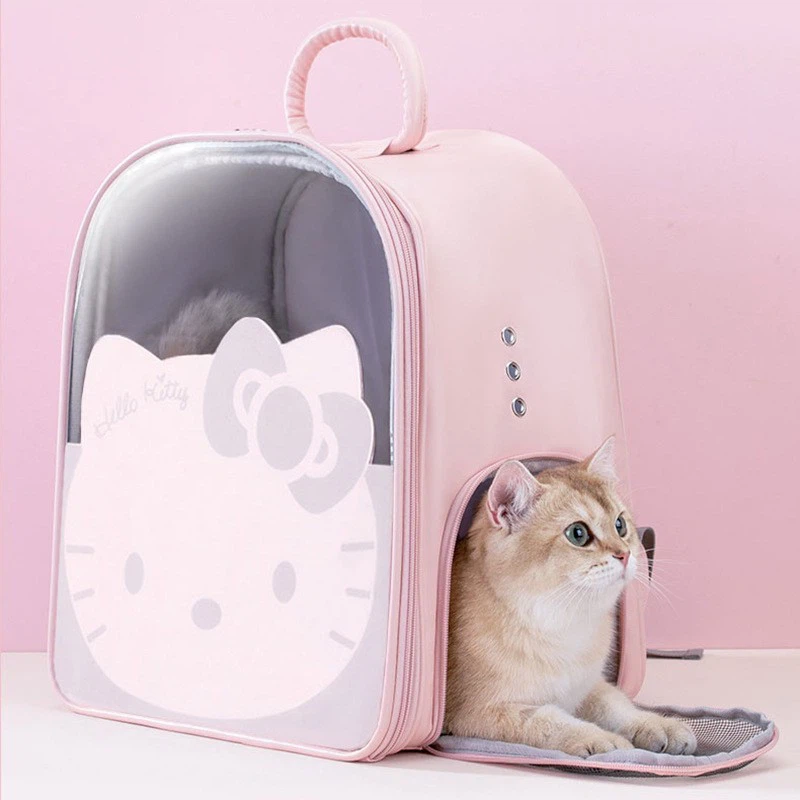
At our pet cat supplies store, we offer a wide range of toys that are perfect for fetch training. From feather wands to small balls, there's something for every cat's preference. One of our popular products is the Multifunctional Cat Bag, which can also be used as a toy dispenser. You can place small treats or toys inside the bag and let your cat figure out how to get them out. This not only provides mental stimulation but also encourages them to engage in play.
Another great option is our Wholesaler Of Convenient Scratchers. These scratchers come in various shapes and sizes and can be used as toys as well. You can attach small bells or feathers to the scratcher to make it more appealing to your cat. When your cat scratches the scratcher, the bells will make a sound, which can attract their attention and encourage them to play.

Starting the Training Process
Once you've chosen the right toys, it's time to start the training process. Here are some steps to follow:
- Introduce the Toy: Start by showing your cat the toy and letting them sniff it. You can also wave the toy around to get their attention. Once your cat shows interest in the toy, toss it a short distance away.
- Encourage Your Cat to Chase the Toy: As your cat chases the toy, use a positive voice to encourage them. You can say things like "Good job!" or "Go get it!" When your cat catches the toy, praise them and give them a treat.
- Teach Your Cat to Bring the Toy Back: Once your cat has caught the toy, wait for them to bring it back to you. If they don't bring it back right away, you can try calling their name or using a clicker to get their attention. When they bring the toy back to you, give them another treat and lots of praise.
- Repeat the Process: Practice the fetching process several times a day, gradually increasing the distance you toss the toy. As your cat gets better at fetching, you can start using different toys to keep them interested.
Using Positive Reinforcement
Positive reinforcement is key when teaching your cat to fetch. Whenever your cat performs the desired behavior, such as chasing the toy or bringing it back to you, give them a treat and lots of praise. This will help them associate the behavior with a positive outcome and make them more likely to repeat it in the future.

You can also use a clicker to mark the desired behavior. Click the clicker as soon as your cat catches the toy or brings it back to you, and then give them a treat. The clicker acts as a signal to your cat that they've done something right, and it helps them learn faster.
Overcoming Challenges
Teaching your cat to fetch may not always be easy, and you may encounter some challenges along the way. Here are some common challenges and how to overcome them:
- Lack of Interest: If your cat doesn't seem interested in the toy, try using a different type of toy or adding some treats to the toy to make it more appealing. You can also try playing with the toy yourself to show your cat how much fun it can be.
- Not Bringing the Toy Back: If your cat catches the toy but doesn't bring it back to you, try using a long string or a fishing pole to retrieve the toy. You can also try hiding treats along the path back to you to encourage your cat to follow you.
- Distractions: If your cat gets distracted easily, try training them in a quiet room with few distractions. You can also try using a treat or a toy to get their attention and keep them focused on the training.
Enhancing the Training with Our Products
As a Multifunctional Cat Bag Wholesaler, we offer a variety of products that can enhance the fetch training process. Our multifunctional cat bags are not only great for transporting your cat but also for storing toys and treats. You can use the bag to keep your cat's toys organized and easily accessible during training sessions.
Our convenient scratchers can also be used to provide your cat with a place to scratch and play. Scratching is a natural behavior for cats, and providing them with a suitable scratching surface can help prevent them from scratching your furniture. You can place the scratcher near the area where you're training your cat to fetch, and encourage them to use it before and after training sessions.
Conclusion
Teaching your pet cat to fetch toys is a fun and rewarding experience that can strengthen the bond between you and your feline friend. By understanding your cat's behavior, choosing the right toys, using positive reinforcement, and overcoming challenges, you can successfully teach your cat this unique skill.
As a pet cat supplies provider, we're committed to offering high-quality products that can enhance your cat's playtime and training experience. If you're interested in purchasing any of our products, please feel free to contact us for more information. We look forward to helping you provide the best care for your beloved pet.
References
- Bradshaw, J. W. S. (2016). Cat Sense: How the New Feline Science Can Make You a Better Friend to Your Pet. Basic Books.
- Turner, D. C., & Bateson, P. (Eds.). (2000). The Domestic Cat: The Biology of Its Behaviour. Cambridge University Press.
- Overall, K. L. (2013). Clinical Behavioral Medicine for Small Animals. Mosby.