

As a dog food supplier, I understand the concern many pet owners have about ensuring their furry friends receive a balanced diet. A balanced dog food is crucial for a dog's overall health, providing the necessary nutrients to support growth, maintain a healthy weight, and enhance vitality. But how can you determine if your dog food is truly balanced?
Understanding the Basics of a Balanced Dog Diet
A balanced dog diet typically consists of proteins, fats, carbohydrates, vitamins, and minerals. Each of these components plays a vital role in a dog's health.
Proteins: Proteins are the building blocks of the body. They are essential for muscle development, repair, and maintaining a strong immune system. High - quality proteins are usually derived from animal sources such as chicken, beef, fish, and lamb. When checking the dog food label, look for ingredients where the animal source is named (e.g., "chicken" rather than "meat meal"). A good dog food should contain a sufficient amount of protein, usually around 18 - 25% for adult dogs and higher for puppies or active dogs.
Fats: Fats are a concentrated source of energy for dogs. They also help keep a dog's coat shiny and healthy, and support the absorption of fat - soluble vitamins (A, D, E, and K). The fat content in dog food can range from 5 - 20%. Look for healthy fats like omega - 3 and omega - 6 fatty acids, which can be found in fish oil or flaxseed oil.
Carbohydrates: Carbohydrates provide energy and can also be a source of fiber. However, dogs do not have an absolute requirement for carbohydrates in their diet. Good sources of carbohydrates include whole grains (brown rice, oats) and sweet potatoes. Avoid foods with a high amount of fillers such as corn, wheat, and soy, which some dogs may have difficulty digesting.
Vitamins and Minerals: Vitamins and minerals are necessary for various bodily functions. For example, calcium and phosphorus are important for bone health, while vitamin A is essential for vision. A balanced dog food should have a proper balance of these micronutrients. Some dog foods may also be fortified with additional vitamins and minerals to meet the specific needs of different dogs.
Reading the Dog Food Label
One of the most important ways to determine if a dog food is balanced is by reading the label. The Association of American Feed Control Officials (AAFCO) has established standards for dog food. Look for a statement on the label indicating that the food meets AAFCO nutrient profiles. This statement can tell you if the food is formulated for a specific life stage (puppy, adult, senior) or is suitable for all life stages.
The ingredient list on the label is also crucial. Ingredients are listed in descending order of weight. This means that the first few ingredients make up the majority of the food. If the first ingredient is a high - quality protein source, it's a good sign. However, be wary of foods where the first ingredient is a grain or a filler.
Considering Your Dog's Specific Needs
Not all dogs have the same nutritional requirements. Factors such as age, breed, size, activity level, and health status can all influence a dog's dietary needs.
Age: Puppies need more protein, fat, and calories to support their rapid growth and development. Senior dogs may require a diet lower in calories but higher in joint - supporting nutrients such as glucosamine and chondroitin.
Breed and Size: Large - breed dogs have different nutritional needs compared to small - breed dogs. Large - breed puppies, for example, need a diet with controlled calcium and phosphorus levels to prevent skeletal problems.
Activity Level: Active dogs, such as working or sporting dogs, need more energy - rich foods to fuel their activities. On the other hand, sedentary dogs may require a diet lower in calories to prevent obesity.
Health Status: Dogs with certain health conditions, such as diabetes or kidney disease, may need special diets. For example, diabetic dogs may benefit from a high - fiber, low - glycemic - index diet.
The Quality of Ingredients
The quality of ingredients in dog food can vary significantly. As a dog food supplier, I take pride in using high - quality, fresh ingredients. We source our meats from reliable suppliers and ensure that our grains are of the highest quality.
At A Factory For Fresh Healthy Dog Food, we are committed to producing dog food that is not only balanced but also delicious. Our manufacturing process is designed to preserve the nutritional value of the ingredients, ensuring that your dog gets the best possible diet.
Product Variety
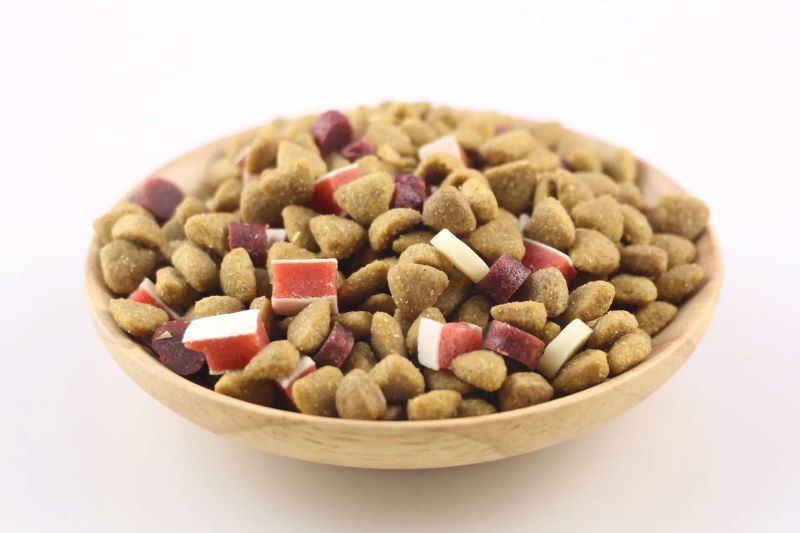
We also understand that dogs, like humans, can get bored with the same food day after day. That's why we offer a wide range of Mixed Dog Food. Our mixed dog food combines different proteins, grains, and vegetables to provide a diverse and balanced diet. This variety not only keeps your dog interested in their food but also ensures that they receive a wider range of nutrients.
Meat - Based Dog Food
Meat is an important part of a dog's diet. As a Supplier Of Dog Food With Meat, we offer dog food with a high percentage of meat. Our meat - based dog food is formulated to provide the essential amino acids that dogs need for optimal health.
Conducting Your Own Research
In addition to reading labels and considering your dog's specific needs, you can also conduct your own research. Look for independent reviews and studies on different dog food brands. You can also consult with a veterinarian, who can provide personalized advice based on your dog's health and nutritional needs.
If you are interested in providing your dog with a balanced and high - quality diet, we invite you to reach out to us. We can offer you detailed information about our products, including the nutritional content and the sourcing of ingredients. As a professional dog food supplier, we are always ready to assist pet owners and businesses in finding the best dog food solutions. Whether you are a small pet store looking to stock our products or a pet owner seeking the best food for your beloved dog, feel free to start a conversation with us about procurement and customization options.
References
- Nutritional Guidelines for Dogs, AAFCO (Association of American Feed Control Officials)
- Canine Nutrition Handbook, Various Veterinary Publications
- Research Studies on Dog Diets from Reputable Animal Science Journals