

As a cat treats supplier, I often get asked by cat owners how they can tell if their feline friends like a certain type of treat. It's a valid question, considering that cats can be quite finicky eaters. In this blog post, I'll share some insights and tips on how to determine if your cat is a fan of a particular treat.
Observing Your Cat's Behavior
One of the most straightforward ways to gauge your cat's preference for a treat is by observing its behavior when presented with it. Here are some key behaviors to look out for:
Eagerness
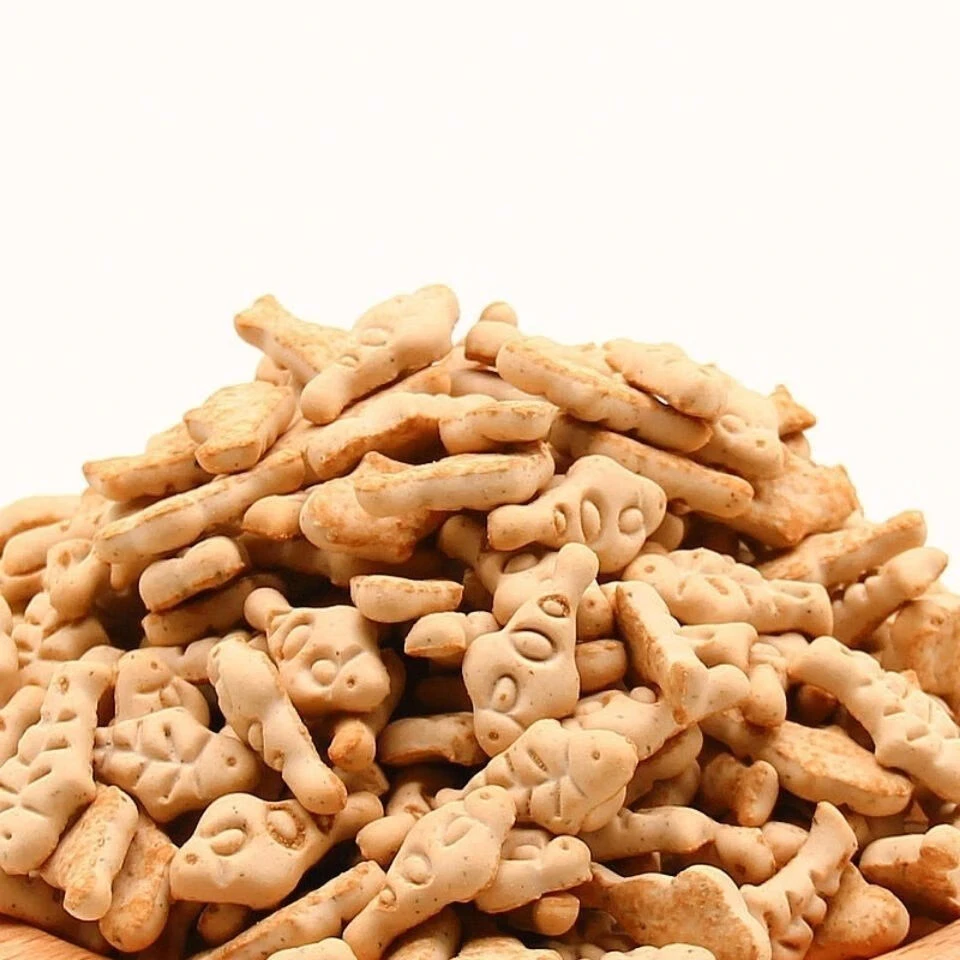
If your cat approaches the treat with enthusiasm, it's a good sign that they're interested. This could include running towards the treat, meowing, or rubbing against you in anticipation. For example, when you open a packet of our Healthy Cat Cookie, and your cat comes running from across the room, it's a clear indication of their excitement.
Sniffing
Cats have a highly developed sense of smell, and they use it to assess the edibility of food. If your cat sniffs the treat intently, it's actively trying to decide if it wants to eat it. A long, deep sniff usually means they're intrigued. However, if they turn their nose up after a quick sniff, it might not be to their liking.
Eating Speed
The speed at which your cat consumes the treat can also provide clues. If they gobble it up quickly, it's likely they enjoy the taste. On the other hand, if they take their time or only nibble at it, they might not be as enthusiastic. Some cats are naturally slow eaters, so it's important to compare their behavior with how they eat other treats.
Repeated Interest
If your cat keeps coming back for more after finishing one treat, it's a strong indication that they like it. They might follow you around, meow persistently, or paw at the treat container. This shows that they associate the treat with a positive experience and want more.
Body Language Cues
In addition to the above behaviors, your cat's body language can also reveal their feelings about a treat. Here are some body language signals to watch for:
Tail Movement
A cat's tail can be a great indicator of their mood. If their tail is held high and twitching slightly while they're near the treat, it's a sign of excitement. Conversely, a low, tucked tail might suggest they're not interested or even a bit scared.
Purring
Purring is often a sign of contentment in cats. If your cat starts purring while eating a treat, it's a good sign that they're enjoying it. However, some cats purr for other reasons too, so it's best to consider this in conjunction with other behaviors.
Ears and Eyes
Forward-facing ears and wide, bright eyes are signs of interest. If your cat's ears are flattened back or their eyes are half-closed, they might not be as into the treat.
Taste Preferences
Cats have specific taste preferences, and understanding these can help you choose treats they'll love. Here are some common taste preferences among cats:
Protein
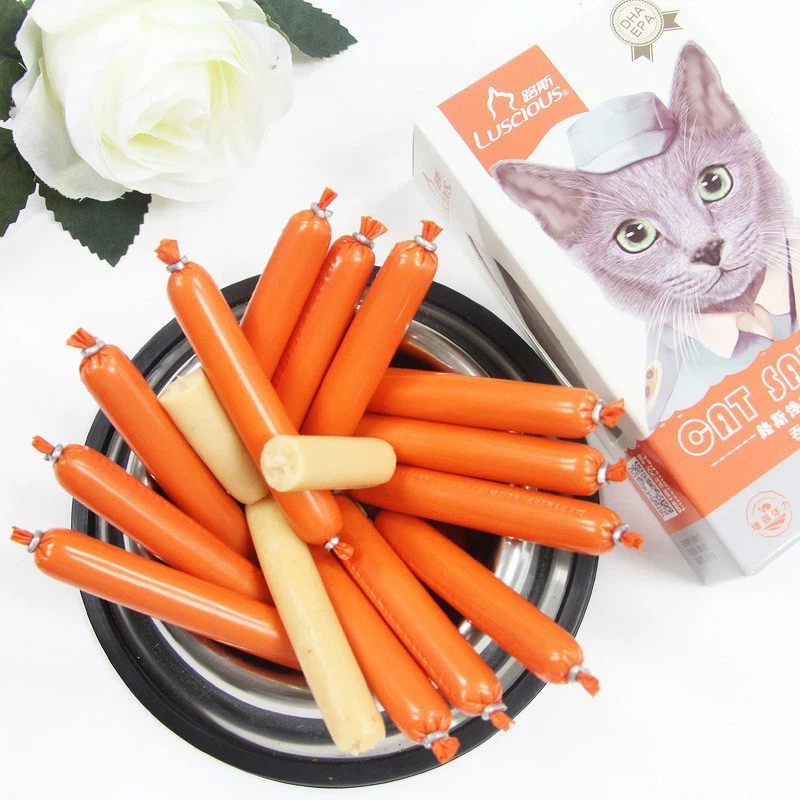
Cats are obligate carnivores, which means they need a diet high in protein. Treats that are rich in animal-based proteins, such as chicken, fish, or beef, are usually well-received. Our Wholesalers Of Healthy Cat Sausage are made with high-quality meat, making them a popular choice among cats.
Texture
Cats also have preferences when it comes to texture. Some cats like crunchy treats, while others prefer soft and chewy ones. You can experiment with different textures to see what your cat likes best. For example, our Healthy Cat Cookie offers a crunchy texture that many cats enjoy.
Smell
As mentioned earlier, smell plays a crucial role in a cat's food selection. Treats with a strong, appealing smell are more likely to attract your cat. However, be careful not to choose treats with overly artificial or strong scents, as these might be off-putting to some cats.
Offering Variety
Just like humans, cats can get bored with the same food day after day. Offering a variety of treats can keep them interested and ensure they get a balanced diet. Here are some tips on offering variety:
Rotate Treats
Don't stick to one type of treat all the time. Rotate between different flavors, textures, and brands to keep your cat's taste buds excited. You can offer a different treat each day or week.
Try New Things
Be adventurous and try new types of treats. You might discover a new favorite that your cat loves. Our company offers a wide range of cat treats, including Wholesalers Of Healthy Cat Sausage, so you can easily find something new to try.
Consider Your Cat's Age and Health
As cats age, their dietary needs and preferences can change. Kittens might have different taste preferences than adult cats, and senior cats might have special dietary requirements. It's important to choose treats that are appropriate for your cat's age and health.
Conclusion
Figuring out if your cat likes a certain type of treat takes a bit of observation and experimentation. By paying attention to your cat's behavior, body language, and taste preferences, you can choose treats they'll love. At our company, we're committed to providing high-quality, healthy cat treats that cats will enjoy. If you're interested in purchasing our cat treats in bulk, we invite you to contact us for a purchase negotiation. We look forward to working with you to keep your furry friends happy and healthy.
References
- Overall, K. L. (2013). Clinical Behavioral Medicine for Small Animals. Elsevier Health Sciences.
- Houpt, K. A. (2007). Domestic Animal Behavior For Veterinarians And Animal Scientists. Wiley-Blackwell.