

As a supplier of safe cat food bowls, I've delved deep into the world of feline feeding essentials. One question that frequently arises in discussions with pet owners and fellow industry professionals is whether safe cat food bowls need to be odor - resistant. In this blog, I'll explore this topic from various angles, drawing on scientific knowledge and practical experience.
The Significance of Odor in a Cat's World
Cats have an incredibly sensitive sense of smell. Their olfactory system is far more developed than that of humans. According to scientific research, cats have about 200 million odor - sensitive cells in their noses, compared to a mere 5 million in humans. This heightened sense of smell is a crucial part of how they interact with the world around them. It helps them detect prey, identify other animals, and even find their way back home.
When it comes to their food, smell plays a vital role. Cats rely on their sense of smell to determine the palatability of food. A strong, unpleasant odor from their food bowl can be a major deterrent. For instance, if a food bowl retains the smell of previous meals, especially if those meals were spoiled or had a strong odor, it can make the cat reluctant to eat from that bowl. This can lead to reduced food intake, which may have negative impacts on the cat's health over time.
Potential Sources of Odor in Cat Food Bowls
There are several sources of odor that can accumulate in cat food bowls. Firstly, food residue is a common culprit. Even after a cat has finished eating, small particles of food can remain stuck to the surface of the bowl. These particles can start to decompose quickly, especially in warm and humid environments. As they break down, they release unpleasant odors.
Secondly, bacteria and mold can grow in the bowl. If the bowl is not cleaned regularly, bacteria from the cat's mouth, saliva, and the environment can multiply. Some types of bacteria produce foul - smelling by - products. Mold can also grow on food residue, and its musty odor can be very off - putting to cats.

Thirdly, the material of the bowl itself can contribute to odor problems. Some materials, such as certain types of plastic, can absorb and retain odors more easily than others. For example, porous plastics may allow food particles and moisture to seep into their structure, where they can become trapped and start to smell.
Benefits of Odor - Resistant Cat Food Bowls
Odor - resistant cat food bowls offer several benefits. From a cat's perspective, they provide a more pleasant eating experience. When the bowl doesn't have a lingering unpleasant odor, the cat is more likely to approach the bowl with enthusiasm and eat its full meal. This is important for maintaining a healthy appetite and ensuring that the cat gets all the necessary nutrients.
From a practical point of view, odor - resistant bowls are easier to clean. Since they don't absorb odors as readily, less time and effort are required to remove any lingering smells during the cleaning process. This can save pet owners time and energy, making the overall task of caring for their cat more manageable.
In addition, odor - resistant bowls can help keep the living environment fresher. A cat's feeding area is often in a part of the house where people spend time, such as the kitchen or living room. If the food bowl has a strong odor, it can make the whole area smell unpleasant. By using an odor - resistant bowl, the risk of this happening is reduced.
Our Safe Cat Food Bowls: Designed for Odor Resistance
At Supplier Of Safe Cat Food Bowl, we understand the importance of odor resistance in cat food bowls. That's why we have designed our Safe Cat Food Bowl with this feature in mind.
Our bowls are made from high - quality, non - porous materials. These materials do not absorb food particles or moisture easily, which means that there is less chance of odors getting trapped. The smooth surface of the bowls also makes it easier to clean, ensuring that any food residue can be removed quickly and completely.
We have also conducted extensive testing to ensure that our bowls are truly odor - resistant. We expose the bowls to a variety of strong - smelling substances and then measure how well they retain those odors over time. Based on the results of these tests, we have optimized the design and material selection to minimize odor retention.
Other Considerations for Safe Cat Food Bowls
While odor resistance is an important feature, there are other aspects to consider when choosing a safe cat food bowl. For example, the size and shape of the bowl are crucial. The bowl should be large enough to hold an appropriate amount of food for the cat, but not so large that the food spreads out and becomes less appealing. The shape should also be suitable for the cat's eating habits. Some cats prefer shallow bowls, while others may do better with deeper ones.
The safety of the materials is another key factor. Our safe cat food bowls are made from materials that are non - toxic and free from harmful chemicals. This ensures that the cat is not exposed to any substances that could be harmful to its health.
Complementary Products for Cat Owners
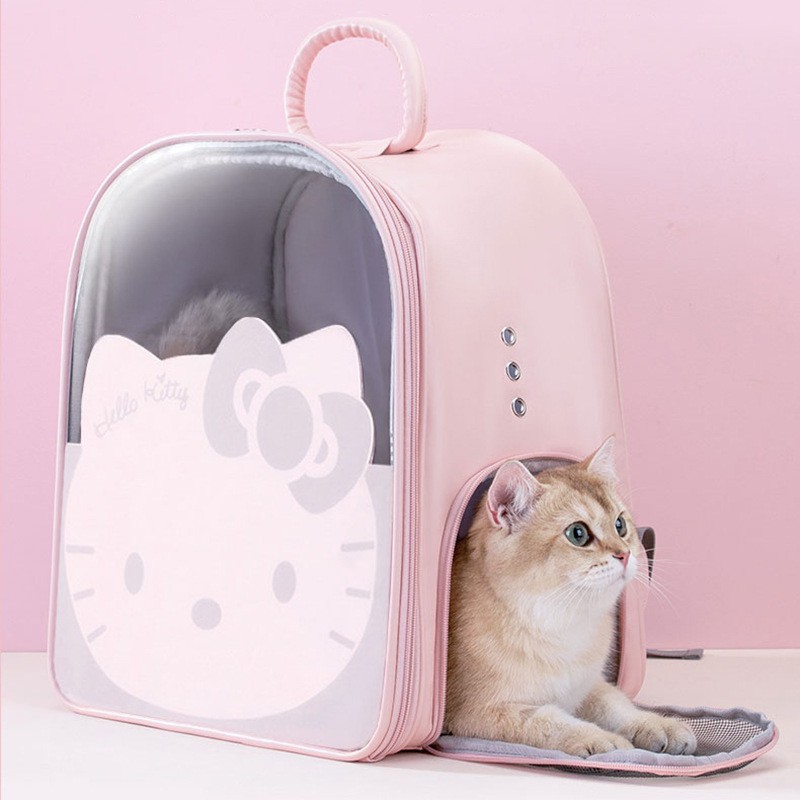
In addition to our safe and odor - resistant cat food bowls, we also offer other products that can enhance the cat - owning experience. For example, our Multifunctional Cat Bag is a great option for cat owners who need to transport their cats. It is designed with the comfort and safety of the cat in mind, with features such as proper ventilation and soft padding.
Conclusion
In conclusion, odor resistance is an important feature for safe cat food bowls. Given a cat's sensitive sense of smell, an odor - free bowl can significantly improve the cat's eating experience and overall well - being. Our Safe Cat Food Bowl is designed to meet these requirements, with its odor - resistant properties, high - quality materials, and thoughtful design.
If you're interested in our products and would like to discuss potential procurement, we welcome you to reach out. We're always ready to have in - depth discussions about your needs and how our products can meet them. Whether you're a pet store owner looking to stock our products or a pet owner interested in purchasing in bulk, we're here to assist you.
References
- Stoddart, D. M. (1990). The senses of the cat. Cambridge University Press.
- Houpt, K. A. (2005). Domestic animal behavior for veterinarians and animal scientists. Wiley - Blackwell.
- Overall, K. L. (2013). Clinical behavioral medicine for small animals. Elsevier Health Sciences.