

When it comes to providing the best for our feline friends, every detail matters, including the choice of a cat food bowl. As a supplier of safe cat food bowls, I often encounter the question: Do safe cat food bowls need to be lightweight? This blog post aims to explore this topic in depth, considering various factors such as safety, convenience, and the overall well - being of our cats.
Safety First: The Foundation of Cat Food Bowl Design
Safety is the primary concern when selecting a cat food bowl. A safe bowl should be made from non - toxic materials that won't leach harmful chemicals into the cat's food or water. But how does weight factor into safety?
Heavier bowls have an advantage in terms of stability. Cats can be quite active eaters, especially when they are excited about their food. A heavy bowl is less likely to tip over during mealtime. This reduces the risk of food and water spills, which can lead to messes and potentially attract pests. For example, if a lightweight bowl is easily knocked over, wet food can seep into carpets or crevices, creating an ideal environment for bacteria and mold growth.
On the other hand, a lightweight bowl can also be safe if it is designed with anti - slip features. Many modern lightweight cat food bowls come with rubberized bottoms that grip the floor firmly. This helps to keep the bowl in place, even when the cat is pawing at it or pushing it around while eating. So, in terms of safety, weight is not the only determining factor. A well - designed lightweight bowl can be just as safe as a heavy one.
Convenience: For Both Cats and Owners
Convenience is another important aspect to consider. From the owner's perspective, a lightweight cat food bowl is much easier to handle. It can be easily moved around for cleaning, refilling, or rearranging the cat's feeding area. When it's time to wash the bowl, a lightweight one can be carried to the sink without much effort. Cleaning is also more convenient as it can be maneuvered easily under the faucet or in the dishwasher, if it is dishwasher - safe.
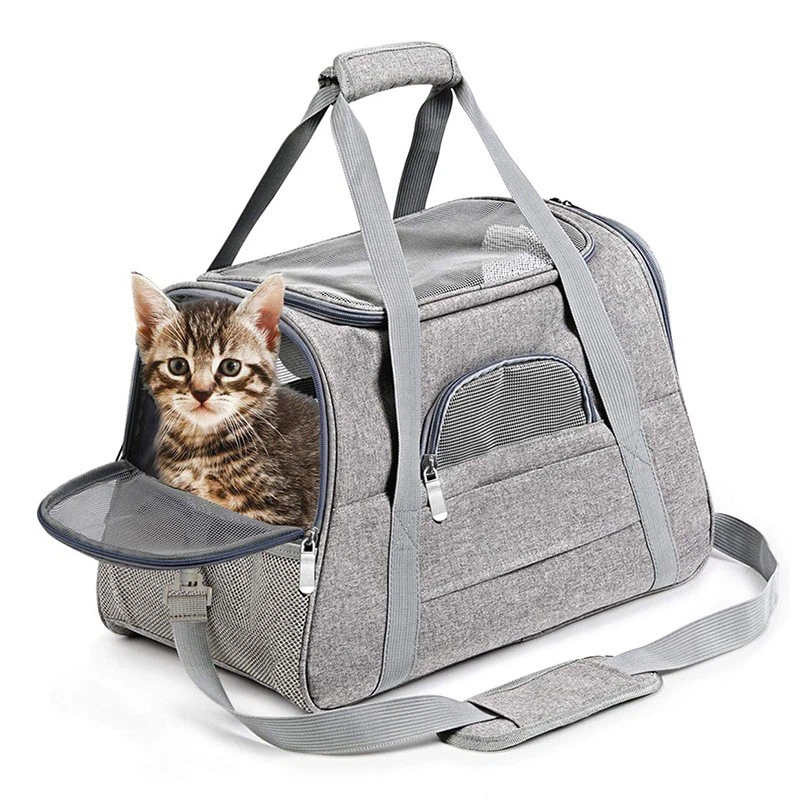
For cats, the convenience might come in the form of portability. If you have a multi - level home or like to take your cat on trips, a lightweight bowl can be easily transported. You can set up a feeding station in different rooms or take it with you when you go on a short vacation. This ensures that your cat has a familiar and safe place to eat, no matter where they are.

However, some cats might prefer a more stable and stationary feeding experience. A heavy bowl provides a sense of permanence and can make the cat feel more secure while eating. They don't have to worry about the bowl moving around too much, which can be distracting or even a bit scary for some sensitive cats.
Durability: How Weight Affects Longevity
The weight of a cat food bowl can also have an impact on its durability. Generally, heavier bowls are made from more substantial materials such as ceramic or stainless steel. These materials are known for their durability and can withstand the wear and tear of daily use. They are less likely to crack or break, even if the cat accidentally knocks them over.
Lightweight bowls, on the other hand, are often made from plastic or other lightweight polymers. While these materials can be durable, they are more prone to scratches and damage over time. A plastic bowl might start to show signs of wear after a few months of use, especially if the cat has sharp claws. However, some high - quality lightweight bowls are designed to be scratch - resistant, which can increase their lifespan.
Health Considerations: Does Weight Matter?
There are also some health - related considerations when it comes to the weight of a cat food bowl. For example, a heavy ceramic bowl can keep food and water cooler for longer periods. This is beneficial for cats, especially in hot weather, as they are more likely to drink fresh, cool water. A lightweight plastic bowl, on the other hand, might heat up more quickly, which can cause the water to become warm and less appealing to the cat.
In addition, some cats might have dental or jaw problems. For these cats, a lightweight bowl that can be easily tilted or adjusted might be more comfortable for them to eat from. They can access the food more easily without having to strain their necks or jaws.
Our Product Range: Catering to Different Needs
As a supplier of safe cat food bowls, we understand that different cats and owners have different needs. That's why we offer a wide range of cat food bowls, both lightweight and heavy. Our lightweight bowls are made from high - quality, non - toxic plastics that are scratch - resistant and have anti - slip bottoms. They are available in various colors and designs to suit different tastes.
Our heavy bowls, on the other hand, are made from premium ceramic or stainless steel. They are not only durable but also add a touch of elegance to the cat's feeding area. We believe that by offering a diverse range of products, we can meet the needs of all cat owners, whether they prioritize convenience, safety, or durability.
If you are interested in other cat supplies, we also recommend checking out our Supplier Of Convenient Scratchers, Multifunctional Cat Bag Wholesaler, and Supplier Of Multifunctional Cat Bag. These products are designed to enhance the well - being and comfort of your feline friends.
Conclusion: The Right Choice for Your Cat
In conclusion, the question of whether safe cat food bowls need to be lightweight doesn't have a one - size - fits - all answer. It depends on a variety of factors, including safety, convenience, durability, and the specific needs of your cat. A heavy bowl offers stability and durability, while a lightweight bowl provides convenience and portability.
As a supplier, we are committed to providing high - quality cat food bowls that meet the highest safety standards. Whether you prefer a heavy or lightweight bowl, we have the perfect option for you. If you are interested in purchasing our products or have any questions, please feel free to contact us for a discussion. We look forward to working with you to provide the best for your beloved cat.
References
- "The Cat Owner's Manual" by Linda P. Case
- Journal of Feline Medicine and Surgery, various issues on cat feeding behavior and equipment
- Pet product research reports from industry - leading organizations