

As a dedicated supplier of healthy cat cookies, I've spent a significant amount of time researching and formulating products that not only taste great to our feline friends but also provide a balanced nutritional profile. In this blog, I'll delve into the question of whether healthy cat cookies can truly offer a well - rounded diet for cats.
Understanding a Cat's Nutritional Needs
Cats are obligate carnivores, which means their diet in the wild consists primarily of meat. They require specific nutrients such as high - quality protein, essential fatty acids, vitamins, and minerals to maintain optimal health. Protein is crucial for muscle development, tissue repair, and a strong immune system. Essential fatty acids, particularly omega - 3 and omega - 6, contribute to healthy skin and a shiny coat, as well as support cognitive function. Vitamins like A, D, E, and B - complex are necessary for various bodily functions, including vision, bone health, and metabolism. Minerals such as calcium, phosphorus, and magnesium are vital for bone strength and proper nerve function.
The Composition of Our Healthy Cat Cookies
Our healthy cat cookies are carefully crafted to meet these nutritional requirements. We source high - quality animal proteins as the primary ingredient. This can include chicken, fish, or beef, which are rich in amino acids that are essential for cats. These proteins are easily digestible, ensuring that cats can absorb the nutrients effectively.
In addition to protein, our cat cookies contain a blend of essential fatty acids. We use fish oil, which is a great source of omega - 3 fatty acids. These fatty acids have anti - inflammatory properties, which can help reduce the risk of skin allergies and joint problems in cats. Omega - 6 fatty acids are also included in the right proportion to maintain a healthy balance.
We also incorporate a variety of vitamins and minerals into our cat cookies. For example, vitamin A is added to support good vision, while vitamin E acts as an antioxidant, protecting cells from damage. Calcium and phosphorus are present in the correct ratio to promote strong bones and teeth.
Comparing with Other Cat Treats
When compared to other cat treats on the market, our healthy cat cookies stand out. Many conventional cat treats are high in fillers, artificial flavors, and preservatives. These ingredients may not provide any nutritional value and can even be harmful to cats in the long run.
For instance, some treats use corn or wheat as fillers. Cats have a limited ability to digest these grains, and they may cause digestive issues such as vomiting or diarrhea. In contrast, our cat cookies are grain - free, focusing on real, natural ingredients that are beneficial for cats.
If you're interested in other healthy cat products, you can also explore Wholesalers Of Canned Healthy Cat and Healthy Cat Sausage. These products also adhere to high - quality nutritional standards.
The Importance of a Balanced Diet
While our healthy cat cookies are nutritionally balanced, it's important to note that they should be part of a complete and balanced diet for cats. Cat cookies are meant to be a treat, and they should not replace a cat's main meal. A cat's primary diet should consist of high - quality cat food that is formulated to meet all of their nutritional needs on a daily basis.
However, our cat cookies can be a great addition to a cat's diet. They can be used for training purposes, as a reward for good behavior, or simply as a special snack. The balanced nutritional profile of our cookies means that they can contribute to a cat's overall health even when given in moderation.
Addressing Concerns about Cat Treats
Some cat owners may be concerned about the calorie content of cat treats. Obesity is a common problem in cats, and overfeeding treats can contribute to weight gain. Our healthy cat cookies are portion - controlled, and we provide clear guidelines on the recommended amount to feed based on a cat's age, weight, and activity level.
Another concern is the potential for food allergies. We understand that some cats may be allergic to certain ingredients. That's why we offer a variety of flavors and formulations to accommodate different dietary needs. For example, if a cat is allergic to chicken, we have fish - based cat cookies available.
The Role of Our Healthy Cat Cookies in a Cat's Life
Our healthy cat cookies play an important role in enhancing the quality of life for cats. They not only provide essential nutrients but also offer a fun and enjoyable experience for cats. The delicious taste of our cookies makes them irresistible to cats, and the act of receiving a treat can strengthen the bond between a cat and its owner.
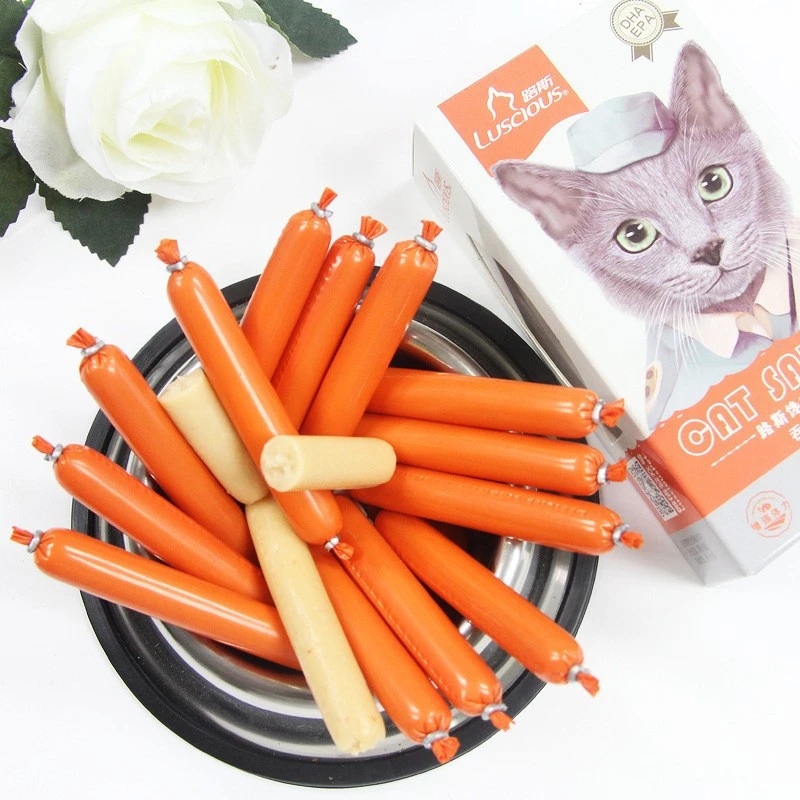
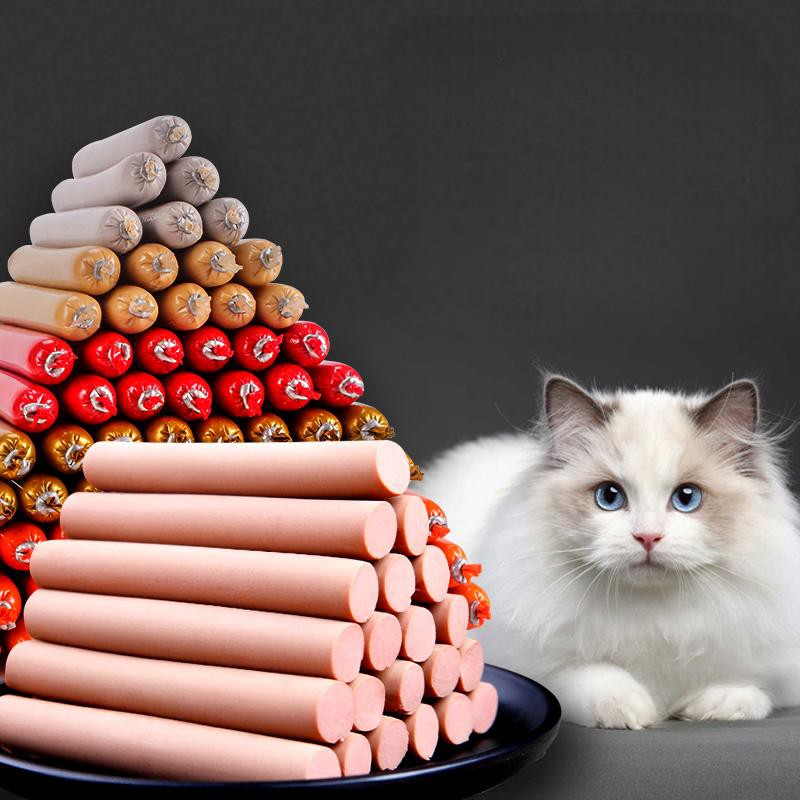
In addition, the balanced nutritional profile of our cookies can have long - term health benefits. Cats that consume our cookies regularly may have fewer health problems, such as skin issues, joint pain, and digestive disorders. This can lead to a happier and more active cat, which is what every cat owner wants.
Other Related Cat Products
As a supplier, we also offer other related cat products, such as Mineral Cat Litter. This high - quality cat litter is designed to provide a clean and comfortable environment for cats. It has excellent odor - control properties and is easy to clean, making it a popular choice among cat owners.
Conclusion
In conclusion, our healthy cat cookies do have a balanced nutritional profile. They are formulated to meet the specific dietary needs of cats, providing high - quality protein, essential fatty acids, vitamins, and minerals. While they should be part of a complete diet, they can be a valuable addition to a cat's daily routine.
If you're a pet store owner, a distributor, or simply someone interested in providing the best for your cat, we invite you to contact us for more information about our healthy cat cookies and other products. We're always happy to discuss procurement and answer any questions you may have. Let's work together to ensure that cats receive the nutrition and care they deserve.
References
- Case, L. P., Daristotle, L., Hayek, M. G., & Lawler, D. F. (2011). The Cat: Clinical Anatomy and Physiology. Elsevier Health Sciences.
- Hand, M. S., Thatcher, C. D., Remillard, R. L., & Roudebush, P. (2010). Small Animal Clinical Nutrition. Mark Morris Institute.