

Can you freeze - dry bread? This is a question that many people, especially those in the food industry or home food enthusiasts, often ask. As a freeze - drying supplier, I'm here to provide a comprehensive answer to this query.
The Science Behind Freeze - Drying
Before delving into whether bread can be freeze - dried, it's essential to understand the process of freeze - drying. Freeze - drying, also known as lyophilization, is a dehydration process that involves freezing the material and then reducing the surrounding pressure to allow the frozen water in the material to sublimate directly from the solid phase to the gas phase. This process preserves the structure, flavor, and nutritional value of the product to a large extent compared to other drying methods.
The first step in freeze - drying is freezing the product. For bread, this means rapidly lowering its temperature to a point where the water inside turns into ice. The next step is the primary drying phase, where the pressure is reduced, and heat is applied gently. This causes the ice to sublimate, leaving behind a porous structure. Finally, a secondary drying phase is carried out to remove any remaining bound water.
Can Bread Be Freeze - Dried?
The short answer is yes, bread can be freeze - dried. However, there are several factors to consider.
Advantages of Freeze - Drying Bread
- Long - term Storage: Freeze - dried bread has an extended shelf life. The removal of water inhibits the growth of microorganisms such as bacteria, mold, and yeast, which are the main causes of bread spoilage. This makes it an ideal option for emergency food supplies or for those who want to store bread for a long time without refrigeration.
- Lightweight: After freeze - drying, the bread loses most of its water content, resulting in a significant reduction in weight. This makes it convenient for transportation, especially in situations like camping, hiking, or military operations where every ounce matters.
- Retention of Nutrients and Flavor: Unlike some other drying methods that can cause significant loss of nutrients and flavor, freeze - drying preserves the nutritional value and taste of bread relatively well. The porous structure formed during the process also allows the bread to rehydrate quickly, regaining much of its original texture.
Challenges of Freeze - Drying Bread
- Texture Changes: One of the main challenges is that the texture of freeze - dried bread can be quite different from fresh bread. After rehydration, it may not have the same softness and elasticity as freshly baked bread. This is because the gluten network in the bread, which gives it its characteristic texture, can be affected during the freeze - drying process.
- Cost: Freeze - drying is an energy - intensive and relatively expensive process compared to other methods of bread preservation. This can make the final product more costly, which may limit its widespread use.
The Freeze - Drying Process for Bread
If you're considering freeze - drying bread, here's a general overview of the process:
- Pre - treatment: Cut the bread into appropriate sizes. This can make the freezing and drying process more efficient. You can also choose to add any additional flavorings or seasonings at this stage if desired.
- Freezing: Place the bread in a freezer at a very low temperature, usually around - 40°C to - 80°C. Rapid freezing is crucial to prevent the formation of large ice crystals, which can damage the structure of the bread.
- Primary Drying: Transfer the frozen bread to a freeze - drying chamber. Reduce the pressure in the chamber to a very low level and apply gentle heat. The ice in the bread will start to sublimate, and this process can take several hours to days, depending on the size and quantity of the bread.
- Secondary Drying: After the primary drying is complete, a secondary drying step is carried out to remove any remaining bound water. This usually involves increasing the temperature slightly and maintaining a low pressure for a period of time.
- Packaging: Once the bread is fully freeze - dried, it should be packaged immediately in air - tight containers to prevent moisture from re - entering.
Applications of Freeze - Dried Bread
- Emergency Food Supplies: As mentioned earlier, freeze - dried bread is an excellent option for emergency food kits. It can be stored for years without spoiling and can be easily rehydrated with water when needed.
- Foodservice Industry: In the foodservice industry, freeze - dried bread can be used in various applications. For example, it can be ground into breadcrumbs for use in coatings or as a thickening agent in soups and stews. It can also be rehydrated and used in sandwiches or as a side dish.
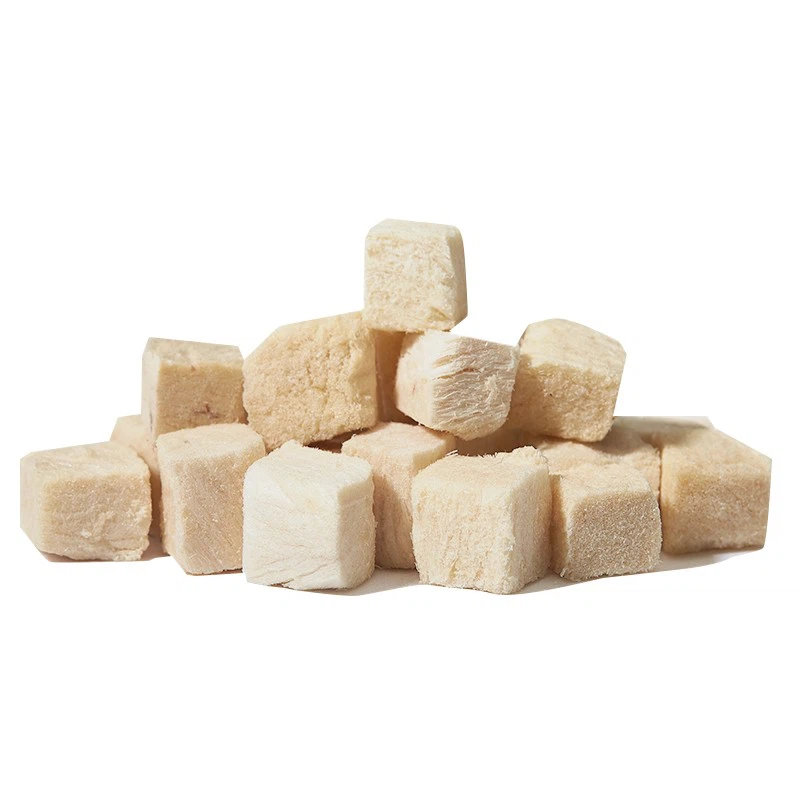
- Pet Food: Freeze - dried bread can also be incorporated into pet food formulations. It provides a source of carbohydrates and can add variety to the diet of pets. If you're interested in other freeze - dried pet food products, you can check out our Supplier Of Safe Raw Egg Yolk Yolk, Supplier Of Freeze - dried Duck Liver, and A Factory For Freeze - Dried Chicken Cubes.
Quality Control in Freeze - Drying Bread
To ensure the quality of freeze - dried bread, several quality control measures should be implemented.
- Moisture Content: The moisture content of the freeze - dried bread should be carefully monitored. Too much moisture can lead to spoilage during storage, while too little moisture can result in a brittle and unpalatable product.
- Microbial Analysis: Regular microbial analysis should be carried out to ensure that the freeze - dried bread is free from harmful microorganisms. This includes testing for bacteria, mold, and yeast.
- Texture and Flavor Evaluation: Sensory evaluation of the texture and flavor of the freeze - dried bread is also important. This can be done through taste tests and texture analysis using specialized equipment.
Conclusion
In conclusion, bread can indeed be freeze - dried, and it offers several advantages such as long - term storage, lightweight, and retention of nutrients and flavor. However, there are also challenges, including texture changes and cost. As a freeze - drying supplier, we have the expertise and equipment to provide high - quality freeze - dried bread products. Whether you're in the emergency food industry, foodservice industry, or pet food industry, we can work with you to meet your specific needs.
If you're interested in discussing potential partnerships or placing an order for freeze - dried bread or other freeze - dried products, please feel free to reach out to us. We look forward to the opportunity to collaborate with you and provide you with the best freeze - drying solutions.

References
- "Freeze - Drying Technology: Principles and Practice" by George E. Meryman
- "Food Dehydration: A Comprehensive Review" by M. S. Rahman
- "The Science of Bread - Making" by Elke K. Arendt and Fergus G. Clydesdale