

Pellet cat food, a popular choice among cat owners, offers convenience and balanced nutrition. However, there's an ongoing debate about whether it can cause constipation in cats. As a supplier of pellet cat food, I'm here to explore this topic from a scientific perspective and provide you with comprehensive insights.
Understanding Constipation in Cats
Constipation in cats is characterized by infrequent, difficult, or incomplete defecation. It can be caused by various factors, including diet, lack of exercise, dehydration, and underlying medical conditions. When a cat is constipated, the feces become dry, hard, and difficult to pass, leading to discomfort and potential health issues.
The Composition of Pellet Cat Food
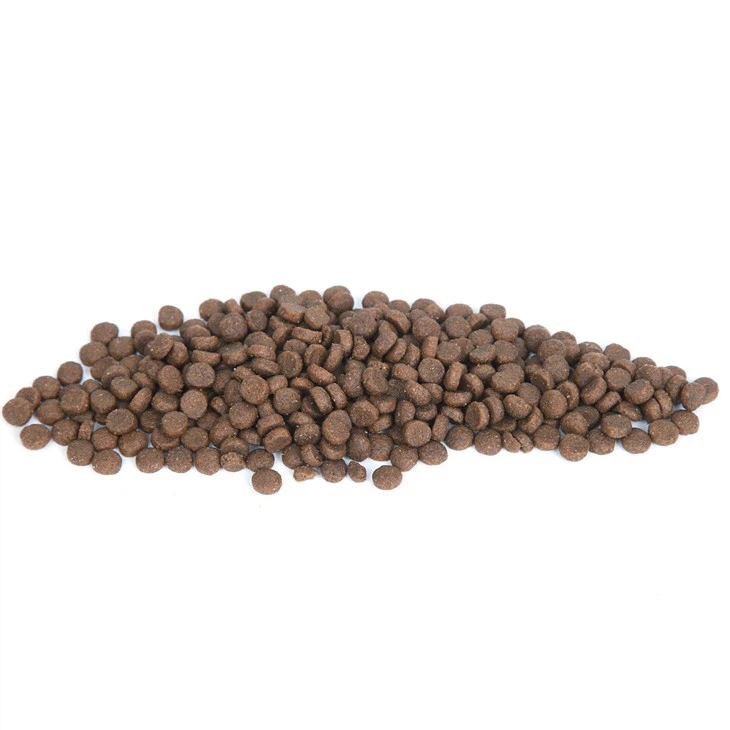
Pellet cat food, also known as dry cat food, is formulated to provide a balanced diet for cats. It typically contains a combination of proteins, carbohydrates, fats, vitamins, and minerals. The ingredients used in pellet cat food can vary depending on the brand and quality. High - quality pellet cat food often includes animal - based proteins such as chicken, fish, or beef, which are essential for a cat's health.
Carbohydrates in pellet cat food can come from sources like grains, potatoes, or rice. While cats are obligate carnivores and don't require a large amount of carbohydrates in their diet, these ingredients are often used as fillers and to provide energy. Fats are also an important component, as they contribute to a cat's coat health and provide a concentrated source of energy.
Can Pellet Cat Food Cause Constipation?
There are several reasons why some people believe that pellet cat food can cause constipation in cats:
Low Moisture Content
One of the main concerns with pellet cat food is its low moisture content. Unlike wet cat food, which can have a moisture content of up to 80%, pellet cat food usually has a moisture content of around 10 - 12%. Cats have a low thirst drive, and if they rely mainly on pellet cat food for their nutrition, they may not consume enough water. Dehydration can lead to dry and hard feces, making it difficult for cats to defecate.
High Carbohydrate Content
Some lower - quality pellet cat foods may contain a high amount of carbohydrates. Excessive carbohydrates can be difficult for cats to digest, as their digestive systems are designed to process animal - based proteins. When cats have trouble digesting carbohydrates, it can lead to changes in the gut flora and potentially cause constipation.
Lack of Fiber
Fiber plays a crucial role in maintaining a healthy digestive system in cats. It adds bulk to the feces, making it easier to pass through the intestines. Some pellet cat foods may not contain enough fiber, especially if they are made with low - quality ingredients. Without sufficient fiber, the feces can become compacted and difficult to expel.
However, it's important to note that not all pellet cat food is created equal. High - quality pellet cat food from reputable manufacturers, such as those from the [Concentrated Circle Shape Cat Food Factory](/pet - food/cat - food/concentrated - circle - shape - cat - food - factory.html), [Factory Of Natural Healthy Cat Food](/pet - food/cat - food/factory - of - natural - healthy - cat - food.html), and [Manufacturer Of High Grade Cat Food With Protein](/pet - food/cat - food/manufacturer - of - high - grade - cat - food - with.html), are formulated to address these issues.
High - Quality Pellet Cat Food and Constipation Prevention
High - quality pellet cat food is designed to provide optimal nutrition while minimizing the risk of constipation. Here's how:
Adequate Moisture - Promoting Ingredients
Some high - quality pellet cat foods are formulated with ingredients that help increase a cat's water intake. For example, they may contain ingredients like chicken broth or other moisture - rich substances. Additionally, feeding cats wet food alongside pellet cat food can help ensure they get enough moisture in their diet.
Balanced Carbohydrate Levels
Reputable manufacturers carefully select the types and amounts of carbohydrates used in their pellet cat food. They use easily digestible carbohydrates and keep the overall carbohydrate content at a level that is appropriate for a cat's nutritional needs. This helps prevent digestive issues that can lead to constipation.
Sufficient Fiber
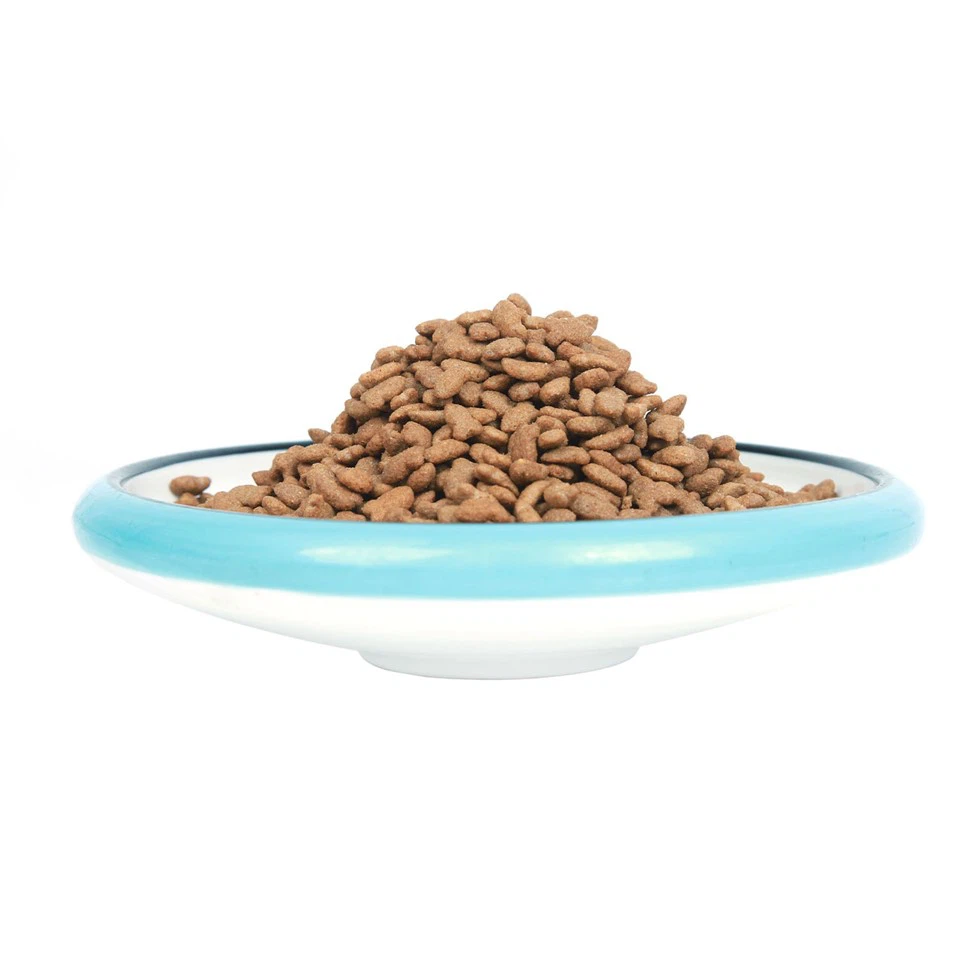
High - quality pellet cat food often contains a balanced amount of fiber. Fiber can be sourced from ingredients like beet pulp, psyllium husk, or other plant - based materials. This fiber helps regulate the digestive system and promotes regular bowel movements.
Other Factors Affecting Cat Constipation
While diet is an important factor, there are other aspects that can contribute to constipation in cats:
Lack of Exercise
Cats that are sedentary are more likely to experience constipation. Exercise helps stimulate the digestive system and promotes regular bowel movements. Encouraging your cat to play and be active can help prevent constipation.
Medical Conditions
Certain medical conditions, such as megacolon, kidney disease, or neurological disorders, can cause constipation in cats. If you notice that your cat is consistently constipated, it's important to consult a veterinarian to rule out any underlying health issues.
Age
Older cats are more prone to constipation than younger cats. As cats age, their digestive systems slow down, and they may have more difficulty passing feces. Specialized senior cat foods can be beneficial in managing constipation in older cats.
Tips for Preventing Constipation in Cats Fed Pellet Cat Food
If you're feeding your cat pellet cat food, here are some tips to help prevent constipation:
- Provide Fresh Water: Always make sure your cat has access to clean, fresh water. You can also consider using a cat water fountain, as many cats are attracted to running water.
- Mix with Wet Food: Incorporate wet cat food into your cat's diet. This can increase their moisture intake and make the feces softer and easier to pass.
- Choose High - Quality Pellet Cat Food: Opt for pellet cat food from reputable manufacturers that are formulated to provide balanced nutrition and prevent digestive issues.
- Encourage Exercise: Play with your cat regularly to keep them active. Interactive toys, such as feather wands or laser pointers, can be great for getting your cat moving.
Conclusion
In conclusion, while pellet cat food can potentially contribute to constipation in cats, it's not a foregone conclusion. High - quality pellet cat food, when formulated correctly, can provide a balanced diet and minimize the risk of constipation. By understanding the factors that can lead to constipation and taking appropriate measures to prevent it, you can ensure that your cat stays healthy and has regular bowel movements.
If you're interested in sourcing high - quality pellet cat food for your pet store or distribution business, we invite you to contact us for procurement discussions. We are committed to providing the best pellet cat food products that meet the nutritional needs of cats and help prevent digestive issues.
References
- Case, L. P., Daristotle, L., Hayek, M. G., & Pritts, T. (2011). The Cat: Clinical Anatomy and Physiology. Elsevier Health Sciences.
- Hand, M. S., Thatcher, C. D., Remillard, R. L., & Roudebush, P. (2010). Small Animal Clinical Nutrition. Mark Morris Institute.
- Silverstein, D. C., & Hopper, K. (2009). Small Animal Critical Care Medicine. Saunders Elsevier.