

As a supplier of pellet cat food, I often encounter various questions from cat owners and retailers about the proper storage of our products. One common query that comes up is whether pellet cat food can be stored in the refrigerator. In this blog post, I will delve into this topic, providing scientific and practical insights to help you make informed decisions about storing your cat's food.

The Basics of Pellet Cat Food
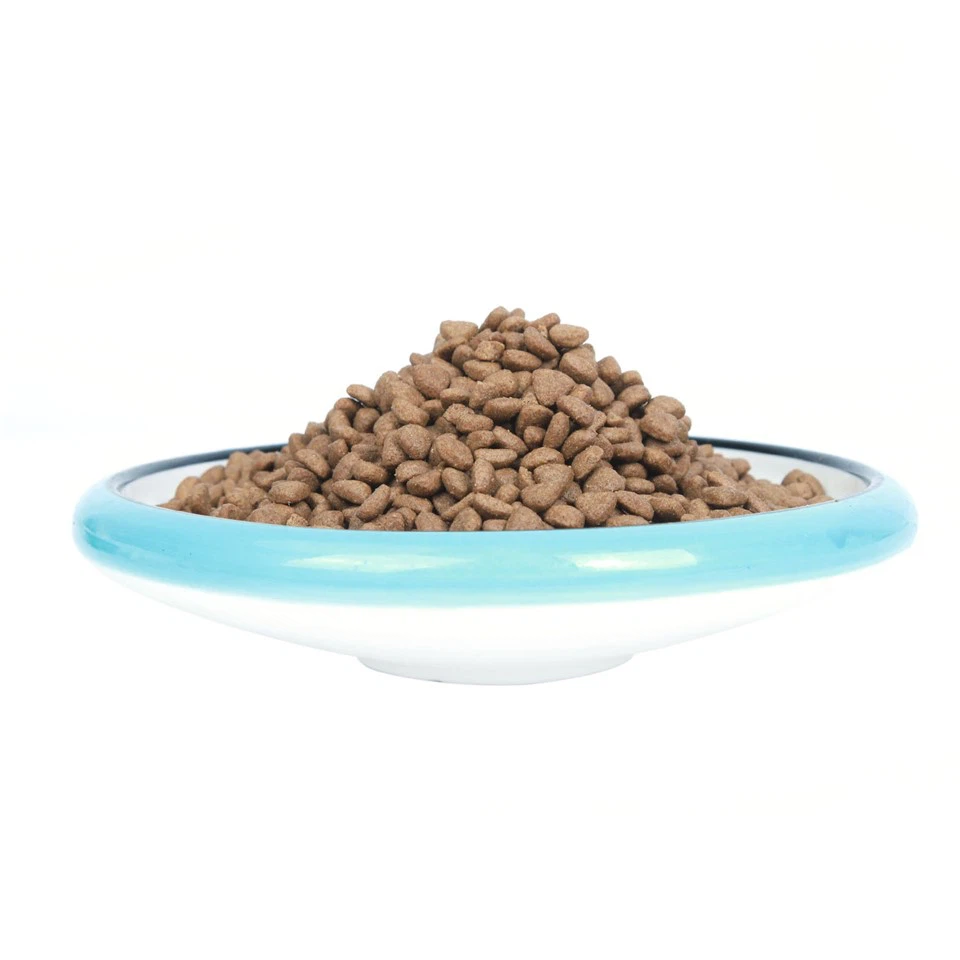
Pellet cat food, also known as dry cat food, is a popular choice among cat owners due to its convenience, long shelf life, and balanced nutrition. These pellets are typically made from a combination of grains, proteins, fats, vitamins, and minerals, which are carefully formulated to meet the dietary needs of cats. The manufacturing process involves extrusion, which cooks the ingredients and forms them into the characteristic pellet shape.
One of the key advantages of pellet cat food is its relatively low moisture content, usually around 10-12%. This low moisture level helps to prevent the growth of bacteria, mold, and yeast, which are common causes of food spoilage. As a result, pellet cat food can be stored at room temperature for an extended period without the need for refrigeration, making it a convenient option for both pet owners and retailers.
The Benefits of Refrigerating Pellet Cat Food
While pellet cat food can be stored at room temperature, there are some situations where refrigeration may be beneficial. Here are a few reasons why you might consider storing your cat's pellet food in the refrigerator:
- Extended Shelf Life: Refrigeration can slow down the process of oxidation and rancidity, which can cause the fats in the cat food to go bad over time. By storing the food in the refrigerator, you can extend its shelf life and ensure that it remains fresh and nutritious for a longer period.
- Preservation of Nutrients: Some vitamins and antioxidants in pellet cat food can be sensitive to heat and light, which can cause them to degrade over time. Refrigeration can help to preserve these nutrients, ensuring that your cat receives the maximum nutritional benefit from their food.
- Reduction of Odor: Pellet cat food can sometimes develop a strong odor, especially if it is stored in a warm or humid environment. Refrigeration can help to reduce the intensity of the odor, making the food more appealing to your cat and more pleasant to handle.
- Prevention of Insect Infestation: Insects such as weevils and moths can be attracted to dry cat food, especially if it is stored in a pantry or cabinet. Refrigeration can help to prevent insect infestation by keeping the food at a low temperature, which is less favorable for insect growth and reproduction.
The Potential Drawbacks of Refrigerating Pellet Cat Food
While there are some benefits to refrigerating pellet cat food, there are also some potential drawbacks that you should consider before making this decision. Here are a few things to keep in mind:
- Moisture Absorption: The cold temperature in the refrigerator can cause moisture to condense on the surface of the cat food pellets, which can lead to clumping and spoilage. To prevent this from happening, it is important to store the food in an airtight container and allow it to come to room temperature before feeding it to your cat.
- Texture Changes: Refrigeration can cause the texture of the cat food pellets to become harder and less palatable. This can be a problem for some cats, especially those with dental issues or picky eaters. To avoid this, you can allow the food to come to room temperature before feeding it to your cat or mix it with a small amount of warm water to soften the pellets.
- Inconvenience: Storing pellet cat food in the refrigerator can be inconvenient, especially if you have limited space in your fridge or if you need to access the food frequently. Additionally, refrigerated food may need to be thawed before feeding, which can add an extra step to your cat's feeding routine.
Guidelines for Storing Pellet Cat Food in the Refrigerator
If you decide to store your cat's pellet food in the refrigerator, it is important to follow some guidelines to ensure that the food remains fresh and safe for your cat to eat. Here are some tips to help you store your cat's food properly:
- Use an Airtight Container: Transfer the pellet cat food from its original packaging to an airtight container to prevent moisture and air from getting in. This will help to keep the food fresh and prevent it from going rancid.
- Label the Container: Label the container with the date of purchase and the expiration date of the cat food to help you keep track of its freshness. This will also help you to avoid feeding your cat expired food.
- Store the Container in the Back of the Fridge: Place the container of cat food in the back of the fridge, where the temperature is the most consistent. Avoid storing the food in the door of the fridge, as this area is more likely to be exposed to temperature fluctuations.
- Allow the Food to Come to Room Temperature: Before feeding the refrigerated cat food to your cat, allow it to come to room temperature for about 30 minutes to an hour. This will help to make the food more palatable and prevent any digestive issues that may be caused by eating cold food.
- Monitor the Food for Signs of Spoilage: Regularly check the refrigerated cat food for signs of spoilage, such as mold, odor, or a change in texture. If you notice any of these signs, discard the food immediately and do not feed it to your cat.
Conclusion
In conclusion, while pellet cat food can be stored at room temperature, refrigeration can be a beneficial option in some situations. By refrigerating the food, you can extend its shelf life, preserve its nutrients, reduce its odor, and prevent insect infestation. However, it is important to be aware of the potential drawbacks of refrigeration, such as moisture absorption, texture changes, and inconvenience. If you decide to store your cat's pellet food in the refrigerator, make sure to follow the guidelines outlined above to ensure that the food remains fresh and safe for your cat to eat.
As a supplier of high-quality pellet cat food, we are committed to providing our customers with the best possible products and service. If you have any questions or concerns about storing our cat food or any other aspect of our products, please do not hesitate to contact us. We would be happy to assist you and help you make the best decisions for your cat's health and well-being.
If you are interested in purchasing our pellet cat food or learning more about our products, Manufacturer Of Baby Cat Food, Manufacturers Concentric Circle Shape Cat Food, or The Factory Of Natural Healthy Cat Food, please feel free to reach out to us. We offer a wide range of cat food products to meet the diverse needs of cats and cat owners, and we would be delighted to discuss your requirements and provide you with a quote.
References
- Pet Food Institute. (2023). Dry Cat Food: The Facts.
- American Veterinary Medical Association. (2023). Feeding Your Cat: Know the Basics.