

As a supplier of pellet cat food, I often receive inquiries from cat owners about various feeding concerns. One question that comes up frequently is, "Can I crush pellet cat food for my cat if it has trouble chewing?" This is a valid concern, and in this blog post, I'll delve into the details to provide you with a comprehensive answer.
Understanding the Reasons for Chewing Difficulties in Cats
There are several reasons why a cat might have trouble chewing pellet cat food. Age is a significant factor. As cats get older, they may experience dental issues such as tooth decay, gum disease, or missing teeth. These problems can make it painful or difficult for them to bite and chew hard pellets.
Kittens, on the other hand, have developing teeth and jaws. Their teeth may not be strong enough to handle the hard texture of pellet cat food immediately. Some cats may also have congenital jaw or dental abnormalities that affect their ability to chew properly.
In addition to dental problems, certain health conditions can also cause chewing difficulties. For example, cats with oral tumors, infections, or neurological disorders may find it challenging to eat hard food.
The Pros and Cons of Crushing Pellet Cat Food
Pros
- Improved Accessibility: Crushing the pellet cat food makes it easier for cats with chewing difficulties to consume. It allows them to get the necessary nutrients without struggling or experiencing pain while eating.
- Enhanced Palatability: Some cats may be more inclined to eat crushed food because it has a different texture and may release more of its aroma. This can be especially beneficial for cats with a decreased appetite.
- Customizable Consistency: You can adjust the degree of crushing to suit your cat's specific needs. For cats with very severe chewing problems, you can crush the pellets into a fine powder and mix it with water or a small amount of wet food to create a soft, paste-like consistency.
Cons
- Nutritional Imbalance: Over-crushing the pellets or exposing them to air for an extended period can lead to nutrient degradation. Some vitamins and minerals are sensitive to light, air, and moisture, and crushing the food may accelerate their breakdown.
- Dental Health: Regularly feeding crushed food may not provide the same mechanical cleaning action as chewing hard pellets. Chewing helps to remove plaque and tartar from a cat's teeth, and a lack of this action can contribute to dental problems over time.
- Messy Feeding: Crushed food can be messier to handle and eat. It may stick to the cat's face and paws, and it can also be more difficult to clean up.
How to Crush Pellet Cat Food Safely
If you decide to crush the pellet cat food for your cat, it's important to do it safely and correctly. Here are some tips:
- Use a Clean Tool: Use a clean, dry utensil such as a mortar and pestle, a food processor, or a rolling pin to crush the pellets. Make sure the tool is thoroughly cleaned before and after each use to prevent the growth of bacteria.
- Crush in Small Batches: Only crush as much food as your cat will eat in one or two meals to minimize nutrient loss. Avoid crushing large quantities of food in advance and storing it for an extended period.
- Mix with Water or Wet Food: To improve the palatability and consistency of the crushed food, you can mix it with a small amount of water or wet food. This will also help to prevent the food from drying out and becoming hard again.
When to Consult a Veterinarian
If your cat has persistent chewing difficulties or shows signs of pain or discomfort while eating, it's important to consult a veterinarian. The vet can perform a thorough examination of your cat's mouth, teeth, and overall health to determine the underlying cause of the problem. They may recommend specific dietary adjustments, dental treatments, or other interventions to address the issue.
Our Pellet Cat Food Products
At our company, we understand the importance of providing high-quality, nutritious cat food that meets the needs of all cats, including those with chewing difficulties. Our The Factory Of Cat Food Grains is equipped with state-of-the-art technology to produce premium pellet cat food with a balanced nutritional profile.
We offer a variety of pellet cat food formulas to suit different ages, life stages, and dietary requirements. Our products are made from high-quality ingredients and are carefully formulated to provide the essential nutrients that cats need for optimal health.
If you're a pet store owner, breeder, or distributor looking for a reliable source of pellet cat food, we invite you to explore our Wholesalers Of Pellet Cat Food page. We offer competitive pricing, flexible ordering options, and excellent customer service.

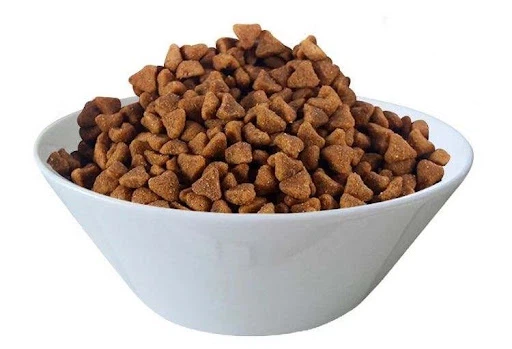
For adult cats, our The Factory For Adult Cat Food produces a range of specialized formulas that are tailored to meet the unique nutritional needs of mature felines. These formulas are designed to support healthy aging, maintain a healthy weight, and promote overall well-being.
Conclusion
In conclusion, crushing pellet cat food can be a viable solution for cats with chewing difficulties, but it's important to weigh the pros and cons carefully. If you decide to crush the food, make sure to do it safely and in a way that minimizes nutrient loss. Remember to consult a veterinarian if you have any concerns about your cat's health or dietary needs.
If you're interested in learning more about our pellet cat food products or would like to discuss potential business opportunities, please don't hesitate to reach out. We're always happy to answer your questions and help you find the best solutions for your feline customers.
References
- Hand, M. S., Thatcher, C. D., Remillard, R. L., & Roudebush, P. (2010). Small Animal Clinical Nutrition. Mark Morris Institute.
- Case, L. P., Daristotle, L., Hayek, M. G., & Cannon, S. A. (2011). The Science of Animal Nutrition. Cengage Learning.
- Center for Veterinary Medicine. (2023). Pet Food Safety. U.S. Food and Drug Administration.