

Can freeze - drying be used for preserving eggs?
As a freeze - drying supplier, I've been constantly exploring the diverse applications of freeze - drying technology. One question that often comes up in discussions is whether freeze - drying can be used for preserving eggs. In this blog, I'll delve into the feasibility, advantages, challenges, and potential applications of freeze - drying eggs.
The Science Behind Freeze - Drying
Before we specifically talk about eggs, let's understand the basics of freeze - drying. Freeze - drying, also known as lyophilization, is a process that involves freezing the product and then reducing the surrounding pressure to allow the frozen water in the product to sublimate directly from the solid phase to the gas phase. This process effectively removes water from the product while preserving its structure, flavor, and nutritional value to a large extent.
The process typically consists of three main stages: freezing, primary drying (sublimation), and secondary drying (desorption). During freezing, the product is rapidly cooled to a very low temperature, forming ice crystals. In the primary drying stage, the pressure is lowered, and heat is applied gently to facilitate the sublimation of ice. The secondary drying stage further removes any remaining bound water molecules.
Feasibility of Freeze - Drying Eggs
Eggs are a complex biological product, composed of proteins, fats, vitamins, and minerals, along with a significant amount of water. From a scientific perspective, freeze - drying eggs is entirely feasible. The structure of eggs, especially the proteins, can withstand the freezing and sublimation process relatively well.
When eggs are freeze - dried, the water is removed, which inhibits the growth of microorganisms such as bacteria and fungi that require water for survival and reproduction. This means that freeze - dried eggs can have a much longer shelf life compared to fresh eggs. Additionally, the low - temperature nature of the freeze - drying process helps to preserve the nutritional components of eggs. For example, the heat - sensitive vitamins and enzymes in eggs are less likely to be damaged during freeze - drying than in traditional high - temperature drying methods.
Advantages of Freeze - Dried Eggs
- Long Shelf Life: Fresh eggs have a limited shelf life, usually a few weeks under proper refrigeration. In contrast, freeze - dried eggs can be stored for months or even years without significant quality deterioration. This is a huge advantage for food manufacturers, emergency food suppliers, and consumers who want to stock up on eggs for long - term use.
- Convenience: Freeze - dried eggs are lightweight and easy to transport. They can be rehydrated quickly by adding water, making them a convenient option for camping, hiking, and other outdoor activities. For food service providers, having freeze - dried eggs on hand can simplify inventory management and reduce waste.
- Nutritional Preservation: As mentioned earlier, freeze - drying preserves the nutritional value of eggs better than many other preservation methods. The proteins, vitamins, and minerals in eggs remain largely intact, providing a high - quality source of nutrition.
- Versatility: Freeze - dried eggs can be used in a wide range of applications. They can be used in baking, cooking, and even in the production of processed foods such as egg - based snacks and instant egg products.
Challenges in Freeze - Drying Eggs
- Cost: The freeze - drying process is relatively expensive compared to other egg preservation methods. It requires specialized equipment, including freezers, vacuum chambers, and heating systems. The energy consumption during the process is also high, which adds to the overall cost.
- Quality Control: Ensuring consistent quality in freeze - dried eggs can be challenging. Factors such as the initial quality of the eggs, the freezing rate, the drying conditions, and the rehydration process can all affect the final quality of the freeze - dried eggs. For example, if the eggs are not frozen quickly enough, large ice crystals may form, which can damage the protein structure and affect the texture of the rehydrated eggs.
- Rehydration Properties: The rehydration properties of freeze - dried eggs need to be carefully optimized. Some consumers may find that the texture of rehydrated freeze - dried eggs is slightly different from that of fresh eggs. Achieving a texture and taste that closely mimics fresh eggs requires continuous research and development.
Potential Applications of Freeze - Dried Eggs
- Food Industry: In the food industry, freeze - dried eggs can be used in the production of bakery products, such as cakes, bread, and pastries. They can also be used in the production of pasta, noodles, and processed meat products to improve the texture and nutritional value. For example, adding freeze - dried egg powder to pasta can enhance its protein content and give it a better texture.
- Emergency Food Supply: Freeze - dried eggs are an ideal component of emergency food kits. In situations such as natural disasters or long - term space missions, where fresh food is scarce, freeze - dried eggs can provide a reliable source of nutrition. They are easy to store, lightweight, and can be quickly rehydrated for consumption.
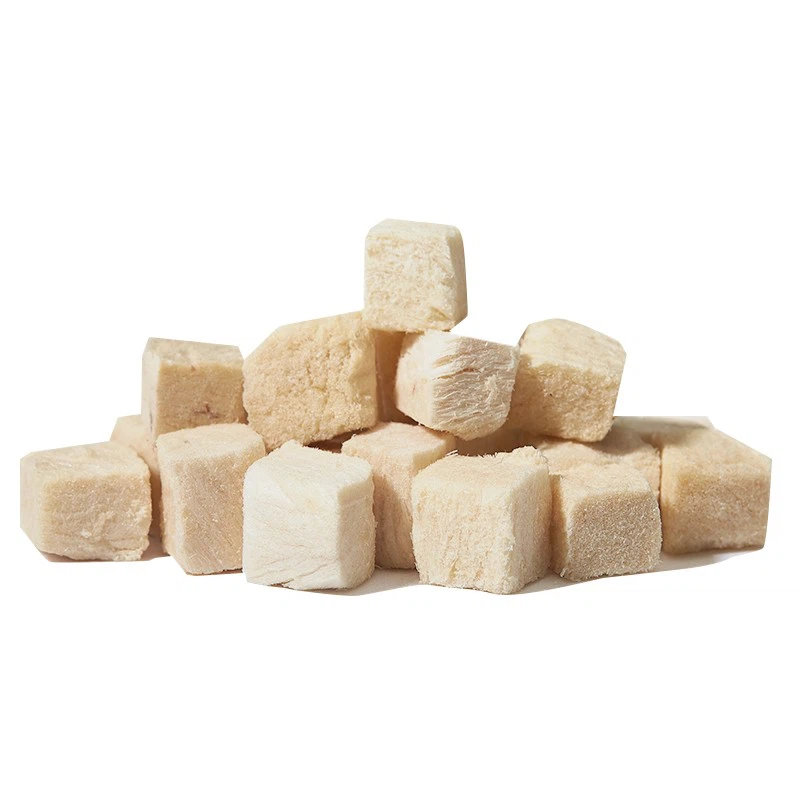
- Pet Food: Eggs are a good source of protein for pets. Freeze - dried eggs can be incorporated into pet food formulations. They can be used as a high - quality protein supplement in dry pet foods or as a standalone treat. If you are interested in other freeze - dried pet food products, you can check out Manufacturer Of Matcha Tofu Cat Litter, A Factory For Freeze - Dried Chicken Cubes, and Supplier Of Fresh Antarctic Krill.
Future Outlook
The market for freeze - dried eggs is expected to grow in the coming years. With the increasing demand for convenient and long - shelf - life food products, as well as the growing interest in high - quality, nutritious food options, freeze - dried eggs have a lot of potential.
Advancements in freeze - drying technology are also likely to address some of the current challenges. For example, more energy - efficient freeze - drying equipment may be developed, which will reduce the cost of production. Additionally, research on optimizing the rehydration properties of freeze - dried eggs will continue, leading to products that are more similar to fresh eggs in terms of texture and taste.
Conclusion
In conclusion, freeze - drying can definitely be used for preserving eggs. It offers numerous advantages such as long shelf life, convenience, and nutritional preservation. Although there are some challenges, such as cost and quality control, the potential applications of freeze - dried eggs in various industries make it a promising area of development.

If you are interested in freeze - dried eggs or other freeze - dried products, I encourage you to reach out for a procurement discussion. We can explore how our freeze - drying technology can meet your specific needs and requirements.
References
- "Principles of Freeze - Drying" by John W. King.
- "Food Preservation Technology" edited by G. V. Barbosa - Canovas.
- "Egg Science and Technology" by Ronald J. Harms.