

As a dedicated supplier of baby cat food, I often receive numerous inquiries from cat owners about the dietary needs and suitable food options for their adorable kittens. One question that has been popping up quite frequently lately is, "Can baby cats eat quail?" In this blog post, I'll delve into this topic, exploring the nutritional aspects, potential benefits, and possible risks of feeding quail to baby cats.
Nutritional Value of Quail for Baby Cats
Quail is a rich source of essential nutrients that are beneficial for the growth and development of baby cats. It is packed with high - quality protein, which is crucial for building strong muscles, bones, and tissues in kittens. Protein also plays a vital role in maintaining a healthy immune system, ensuring that your little feline friend can fight off infections and diseases effectively.
In addition to protein, quail contains essential fatty acids, such as omega - 3 and omega - 6. These fatty acids are important for maintaining a shiny coat, healthy skin, and proper brain development in baby cats. They also have anti - inflammatory properties, which can help reduce the risk of certain health issues, such as arthritis and skin allergies.
Quail is also a good source of vitamins and minerals. It is rich in vitamin B complex, which is essential for energy metabolism and nervous system function. Minerals like iron, zinc, and selenium are also present in quail, contributing to healthy blood circulation, immune function, and antioxidant defense.
Benefits of Feeding Quail to Baby Cats
One of the main benefits of feeding quail to baby cats is its palatability. Kittens are often attracted to the taste and smell of fresh, natural meat like quail. This can be especially helpful if you have a picky eater on your hands. Offering quail as a treat or part of their regular diet can encourage them to eat and ensure they are getting the necessary nutrients.
Another advantage is the natural and minimally processed nature of quail. Unlike some commercial cat foods that may contain artificial additives, fillers, and preservatives, quail is a whole, natural food source. This can be beneficial for baby cats, as they are less likely to have adverse reactions to natural ingredients.
Quail can also provide a variety in your kitten's diet. Just like humans, cats can get bored with the same food every day. Introducing quail can add some excitement to their meals and prevent them from developing food aversions.
Potential Risks of Feeding Quail to Baby Cats
While quail can be a nutritious addition to a baby cat's diet, there are also some potential risks that you need to be aware of. One of the main concerns is the risk of choking. Quail bones can be small and brittle, and if not properly prepared, they can pose a choking hazard to kittens. It is important to ensure that the quail is cooked thoroughly and the bones are removed or softened before feeding it to your baby cat.
Another risk is the potential for bacterial contamination. Raw quail may carry harmful bacteria such as Salmonella and E. coli, which can cause serious health problems in kittens. To minimize this risk, it is recommended to cook the quail to a safe internal temperature before feeding it to your cat.
Some kittens may also have allergies or sensitivities to quail. If you notice any signs of an allergic reaction, such as vomiting, diarrhea, itching, or swelling, after feeding your kitten quail, stop feeding it immediately and consult your veterinarian.
How to Feed Quail to Baby Cats
If you decide to feed quail to your baby cat, there are a few things you need to keep in mind. First, make sure the quail is fresh and of high quality. You can purchase quail from a reputable butcher or pet food supplier.
When preparing the quail, it is best to cook it thoroughly. You can bake, boil, or steam the quail. Avoid using any seasonings or spices, as these can be harmful to cats. Once the quail is cooked, remove the bones and cut the meat into small, bite - sized pieces.
You can offer quail to your kitten as a treat or mix it with their regular cat food. Start with small amounts and gradually increase the quantity as your kitten gets used to it. It is important to remember that quail should not make up the majority of your kitten's diet. It should be offered in moderation, along with a balanced commercial kitten food.
Other Food Options for Baby Cats
As a baby cat food supplier, I understand the importance of providing a balanced and nutritious diet for kittens. In addition to quail, there are other great food options available. You can explore The Factory For Adult Cat Food for high - quality cat food products.
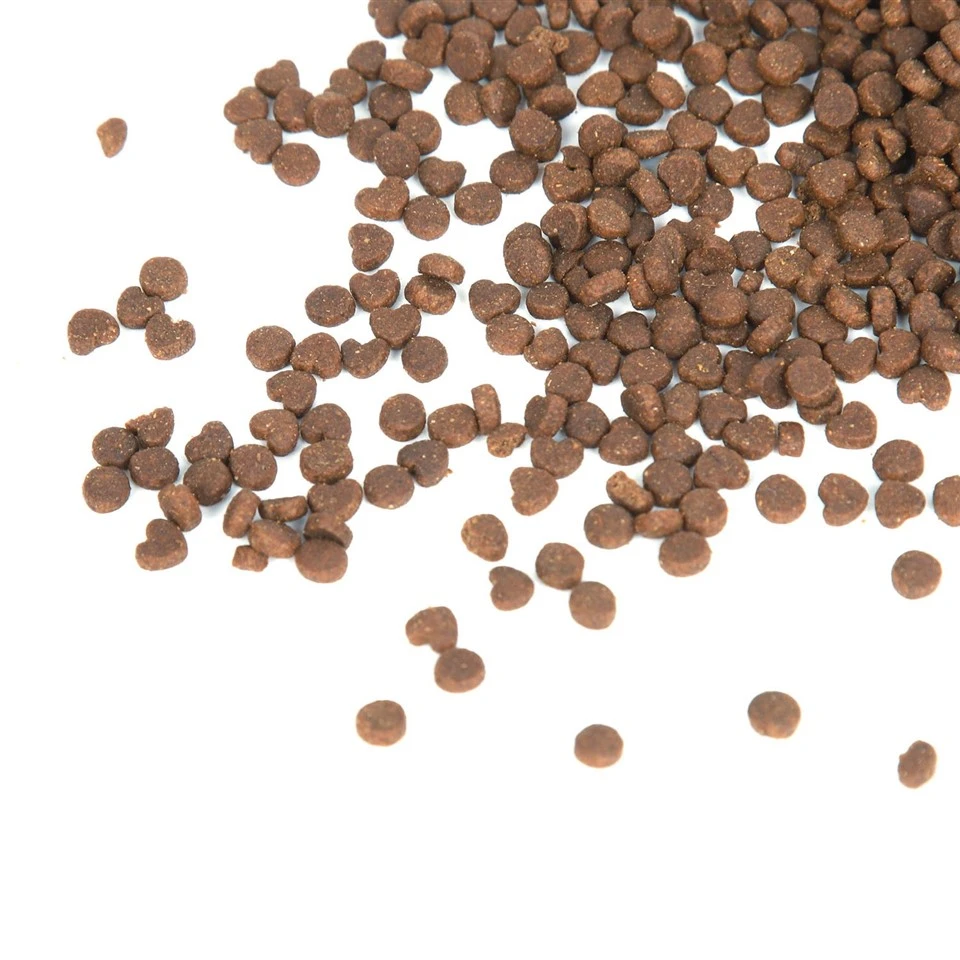
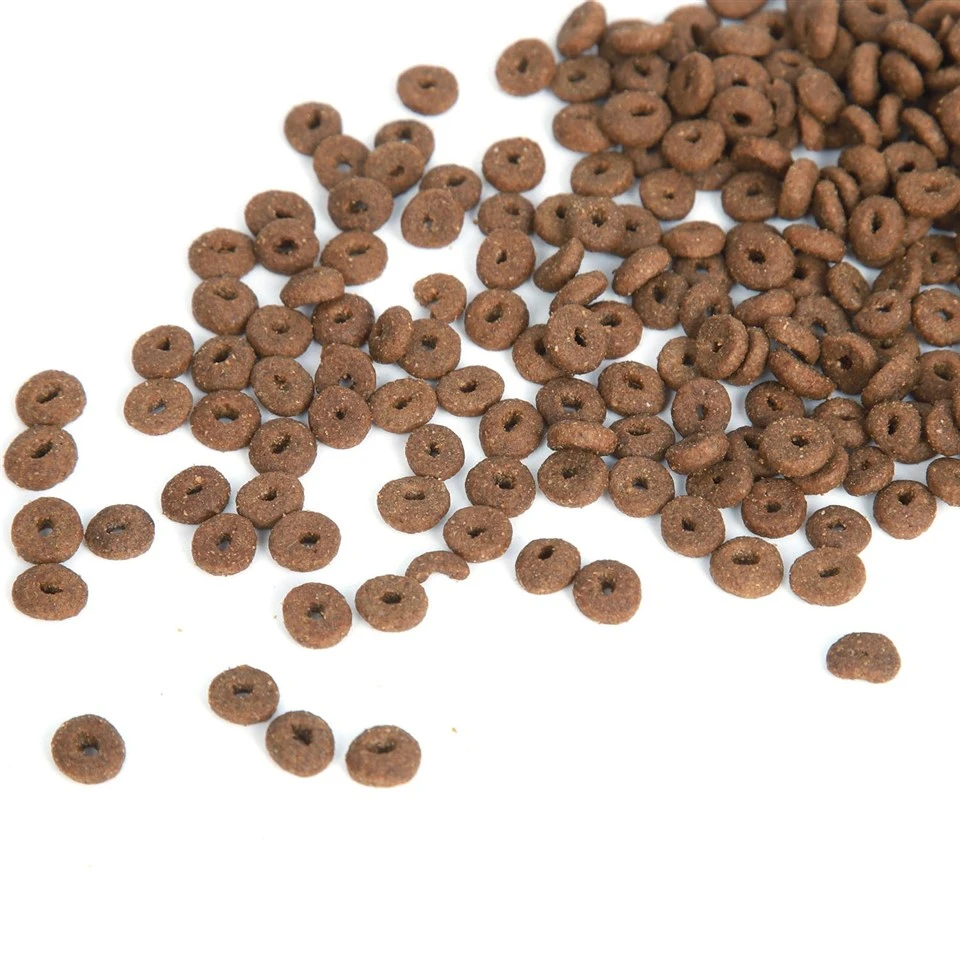
Pellet Cat Food is another popular choice. Pellet cat foods are formulated to provide all the essential nutrients that kittens need in a convenient and easy - to - feed form. They are often fortified with vitamins, minerals, and other supplements to ensure optimal growth and development.
If your kitten has a preference for fish, Fish Cat Food can be a great option. Fish is a good source of protein and omega - 3 fatty acids, which are beneficial for your kitten's skin, coat, and overall health.
Conclusion
In conclusion, baby cats can eat quail, and it can be a nutritious and delicious addition to their diet. However, it is important to be aware of the potential risks and take the necessary precautions when feeding quail to your kitten. Remember to cook the quail thoroughly, remove the bones, and offer it in moderation.
If you are interested in exploring high - quality baby cat food options, including quail - based products, feel free to reach out to us. We are committed to providing the best nutrition for your precious kittens. Whether you are a new cat owner or an experienced one, we can help you find the right food for your little feline friend. Contact us to start a procurement discussion and ensure your baby cat gets the best diet possible.
References
- Case, L. P., Daristotle, L., Hayek, M. G., & Laflamme, D. P. (2011). The Cat: Its Behavior, Nutrition, and Health. Wiley - Blackwell.
- Hand, M. S., Thatcher, C. D., Remillard, R. L., & Roudebush, P. (2010). Small Animal Clinical Nutrition. Mark Morris Institute.